The Evangelical Dialogue Forum Discusses the New Human Rights Strategy and Charts a Path for Institutional Integration and Responding to Challenges
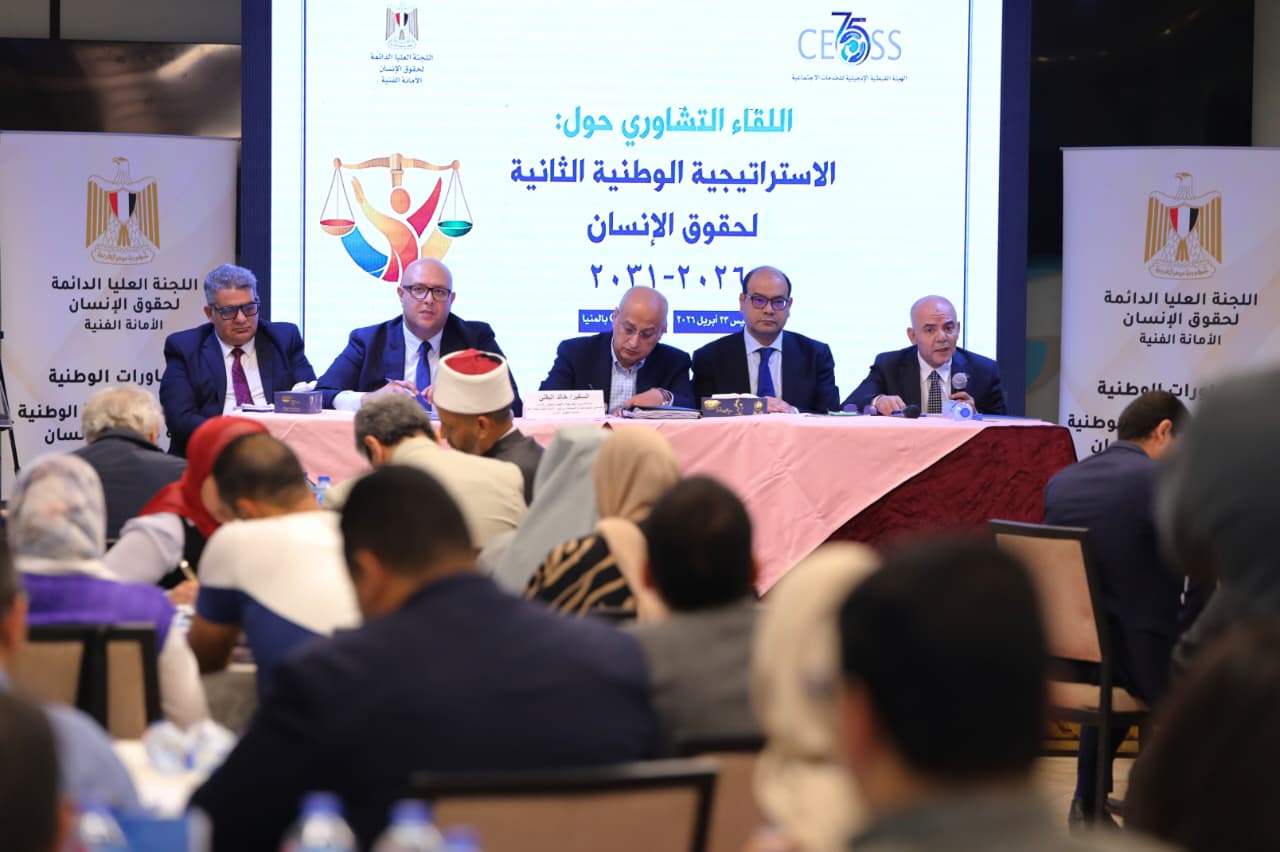
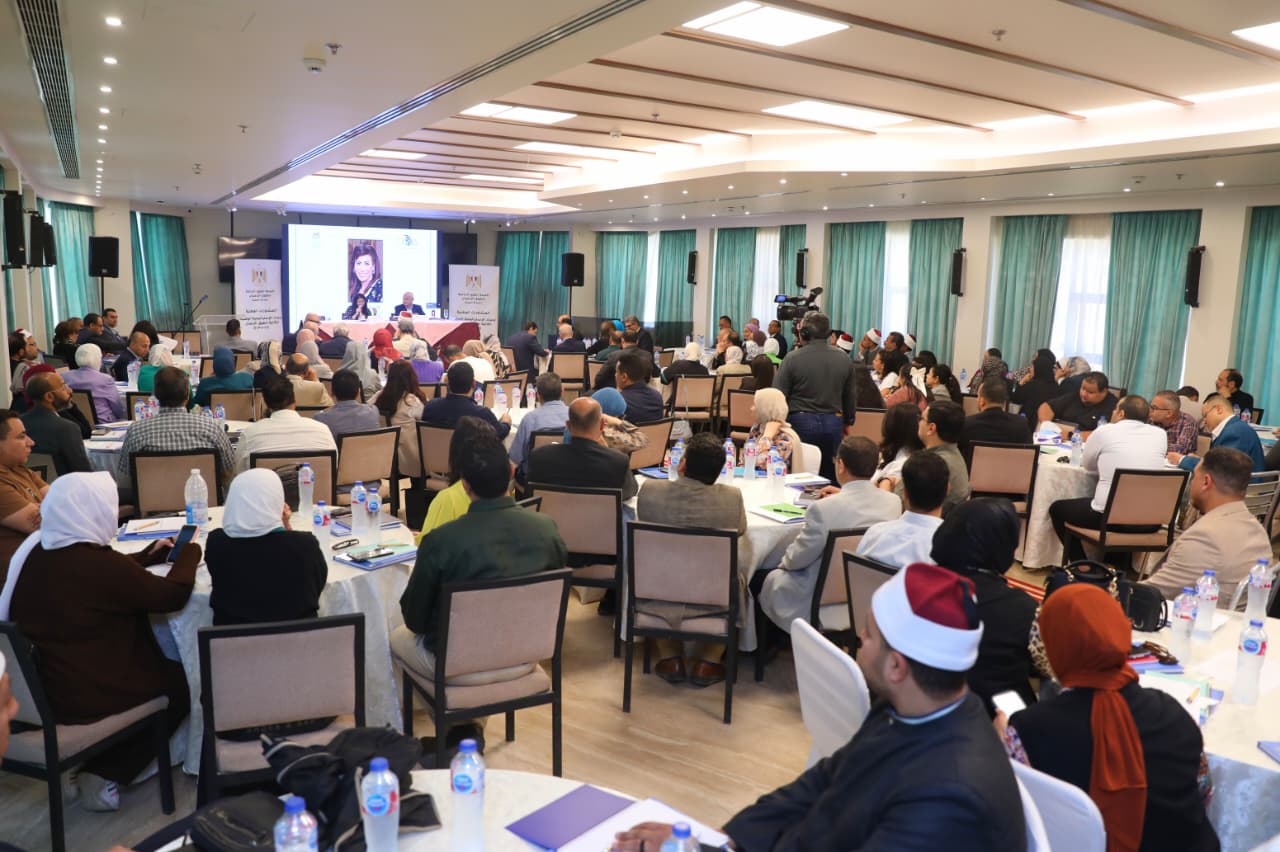
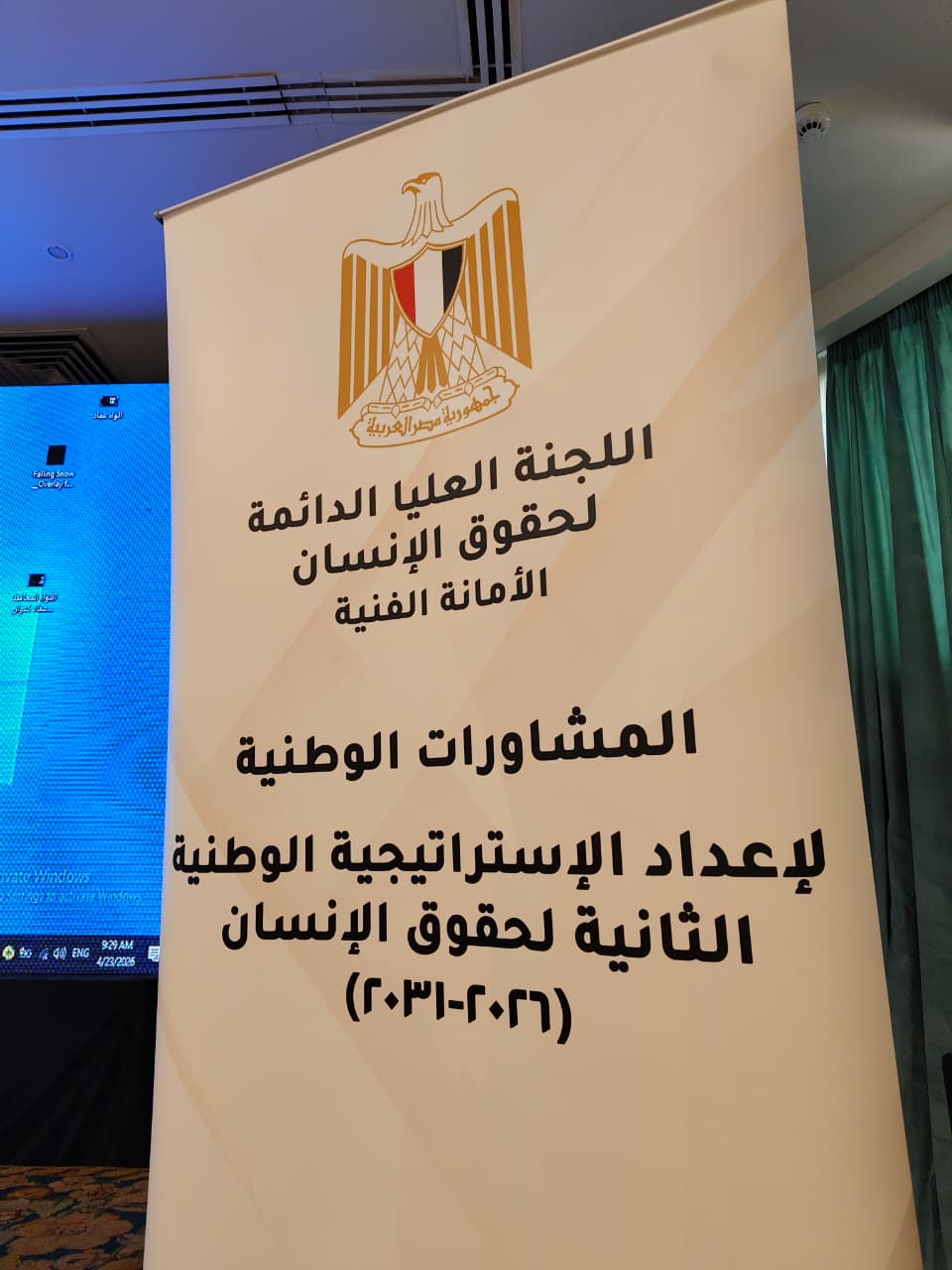
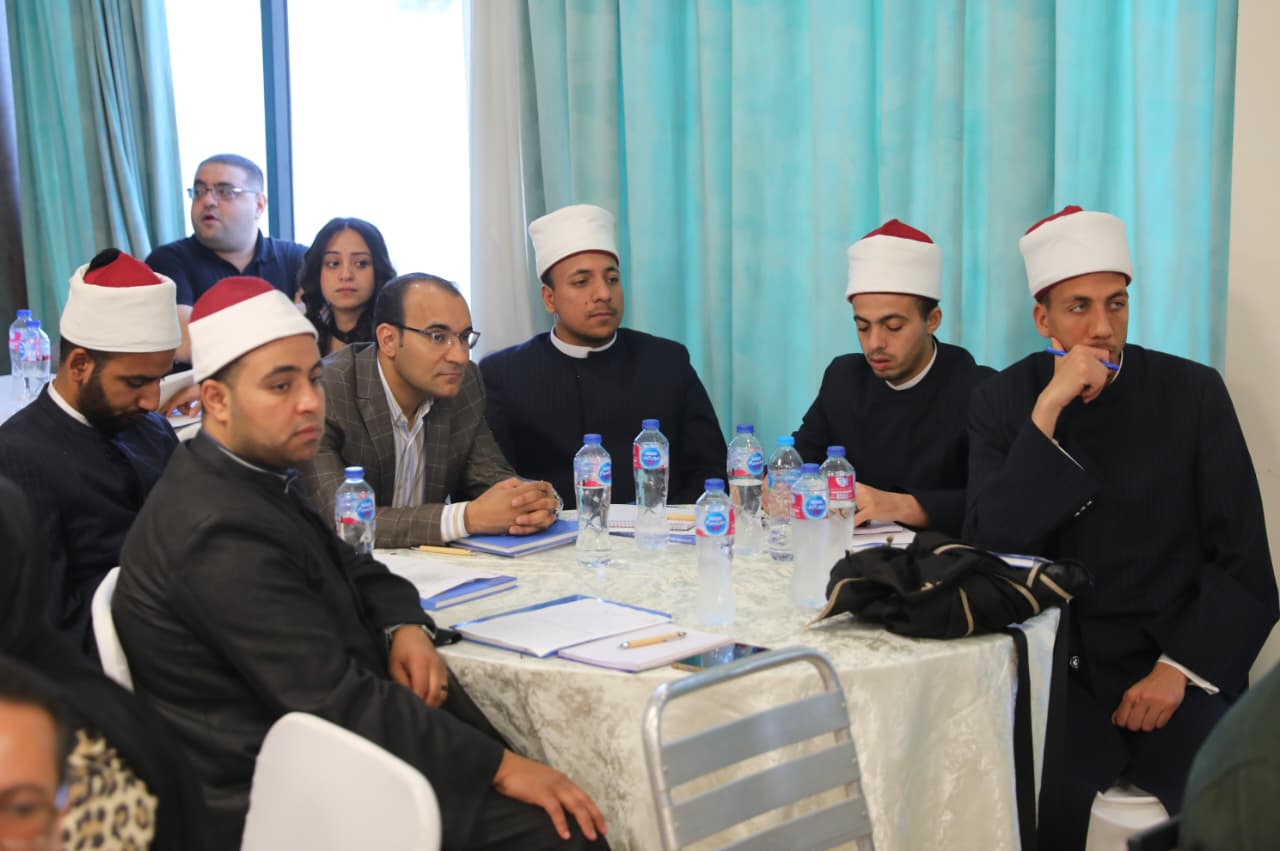
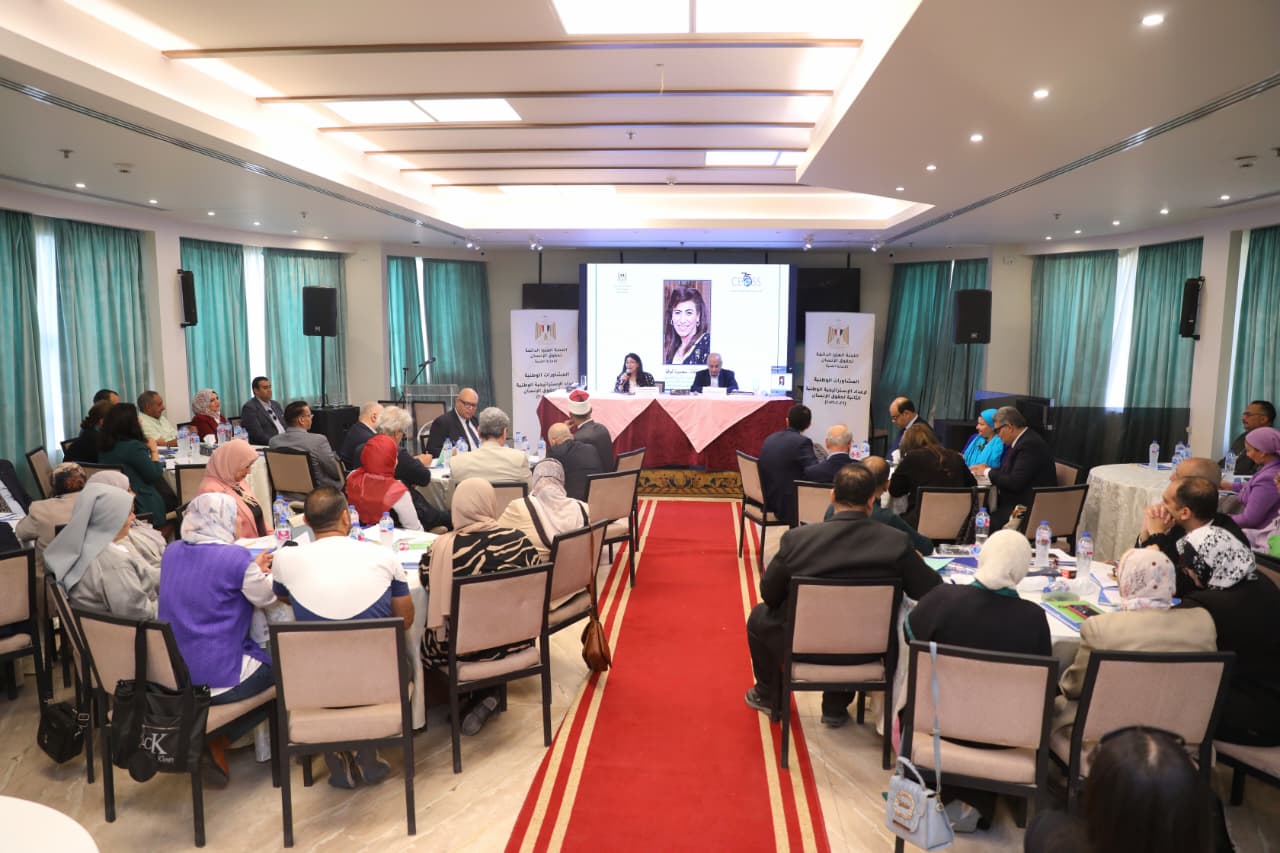
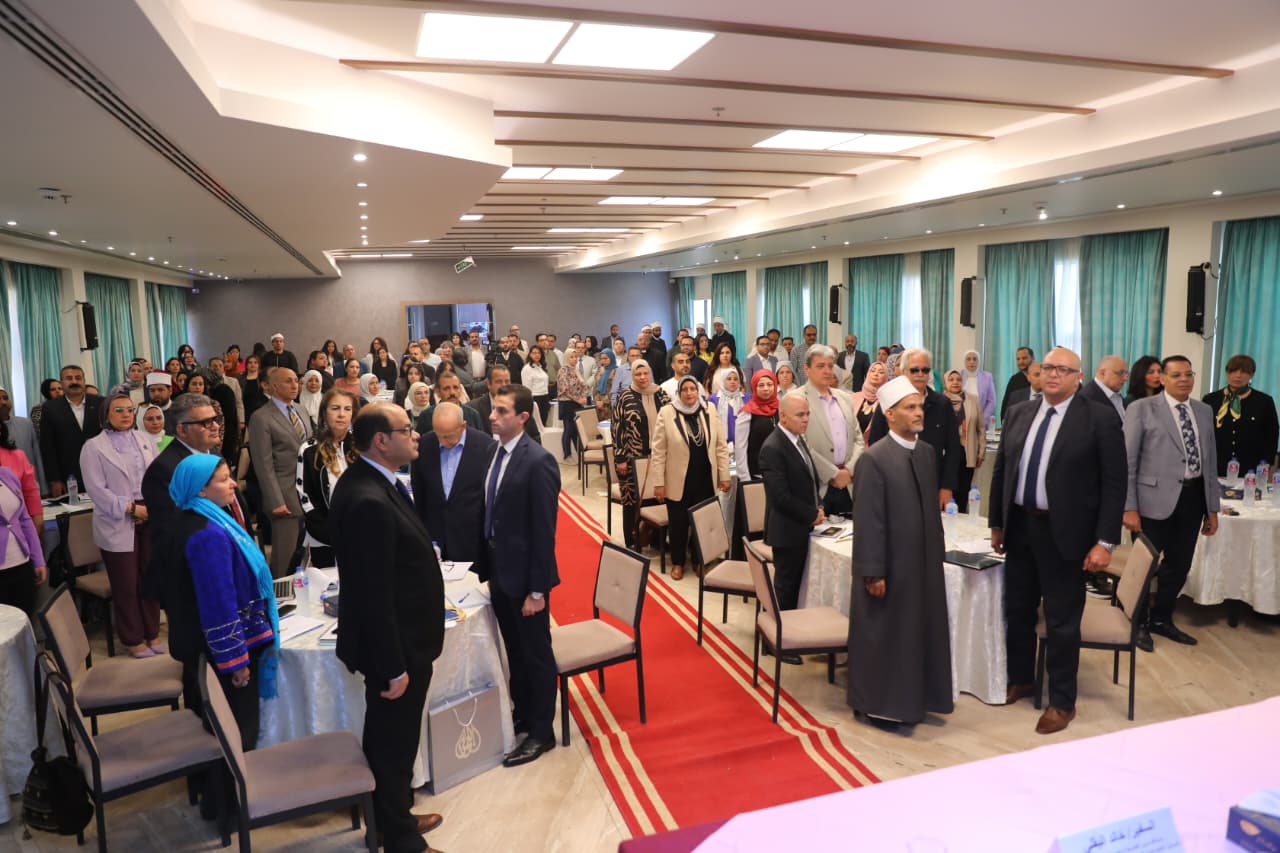
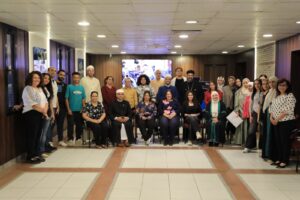
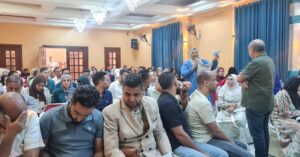
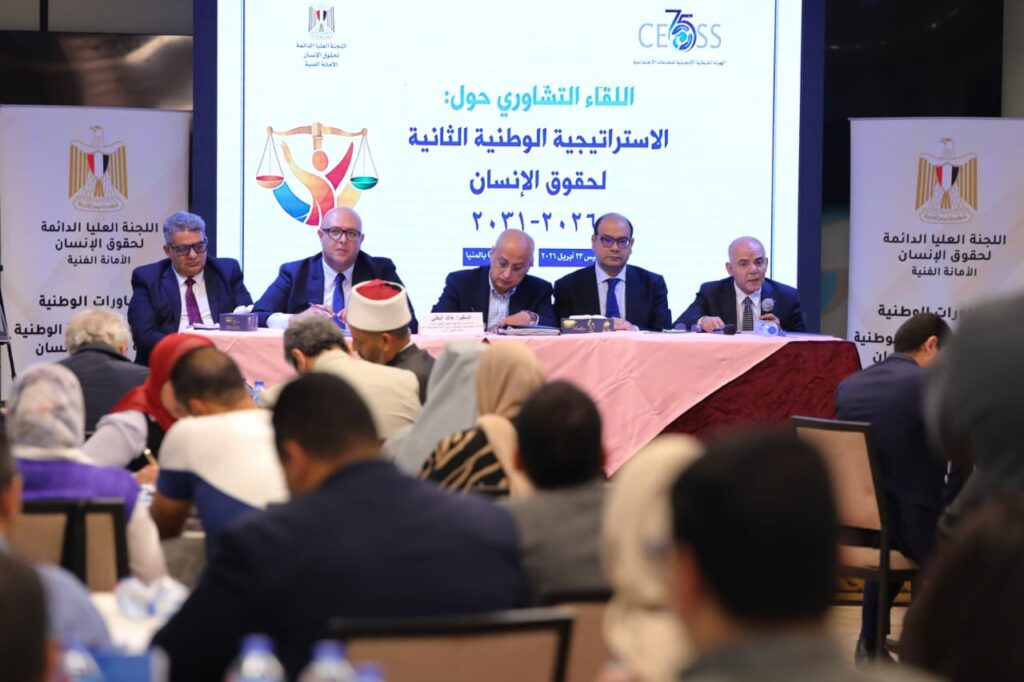
The Coptic Evangelical Organization for Social Services organized an expanded consultative meeting with a number of thought leaders and representatives of civil society organizations in Minya Governorate to discuss the features of preparing the Second National Human Rights Strategy (2026–2031), in cooperation with the Technical Secretariat of the Supreme Standing Committee for Human Rights.
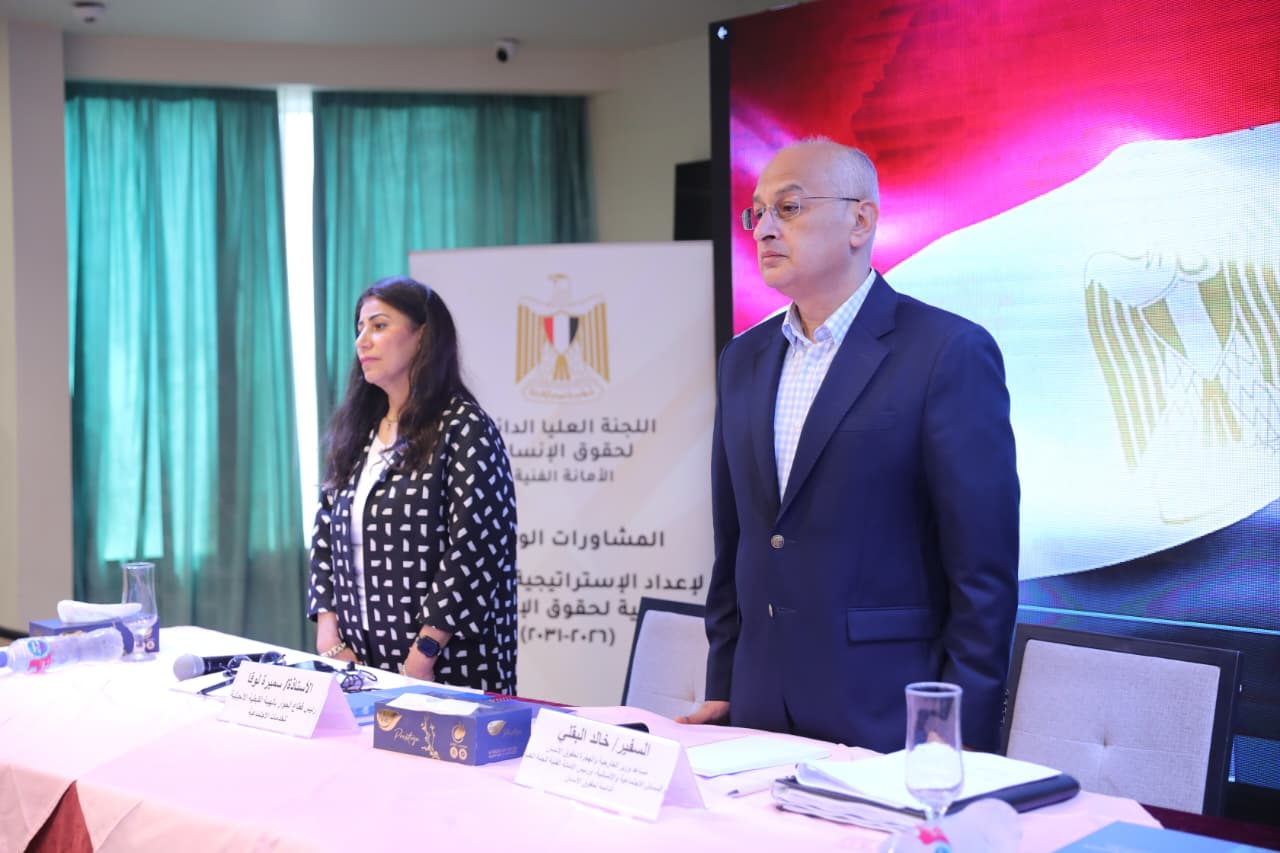
The meeting was attended by Ambassador Khaled El-Bakly, Assistant Minister of Foreign Affairs and Emigration for Human Rights and Head of the Committee’s Technical Secretariat; Dr. Mohamed Salem, former Minister of Communications; along with a distinguished group of Egyptian thought leaders, human rights experts, development specialists, and civil society professionals.
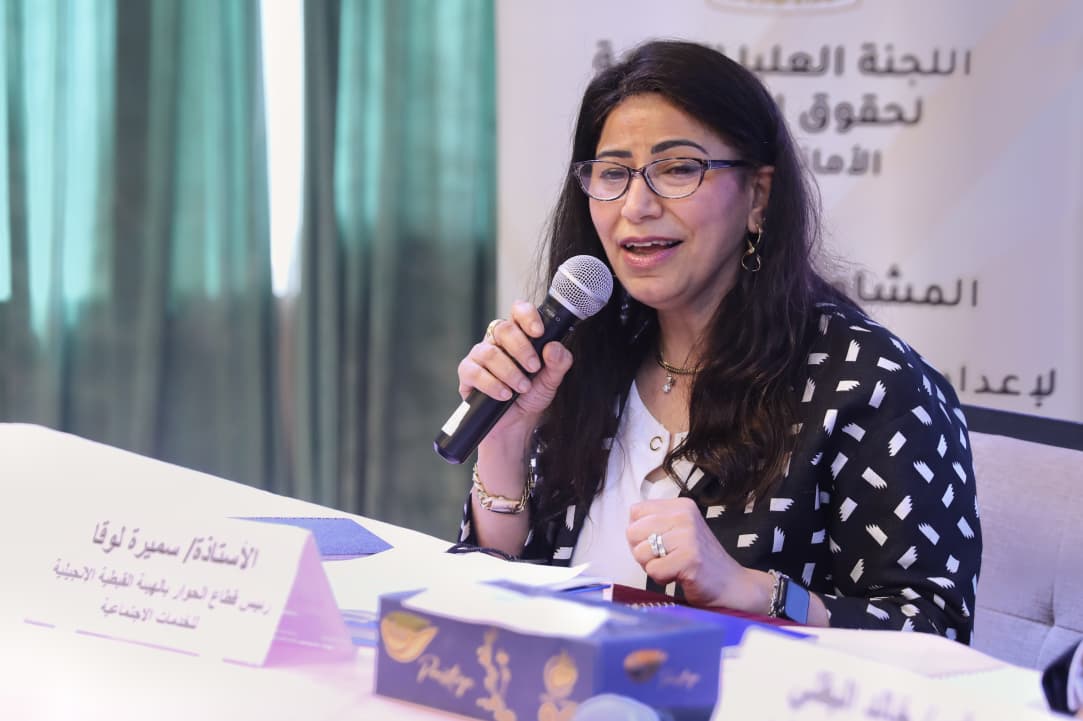
In her opening remarks, Ms. Samira Luka, Head of the Dialogue Sector at the Coptic Evangelical Organization and member of the National Council for Human Rights, affirmed that the meeting came at the invitation of the Technical Secretariat of the Supreme Standing Committee for Human Rights, within a participatory approach aimed at listening to diverse perspectives and expertise. This, she noted, would help ensure the formulation of a national strategy that reflects social realities and draws on the lived experiences and practical knowledge of the participants.
She also conveyed the greetings of Dr. Rev. Andrea Zaki, President of the Evangelical Community in Egypt and President of the Coptic Evangelical Organization for Social Services, explaining that he had wished to participate in the meeting, but was unable to do so due to a simultaneous important engagement in Wadi El Natrun.
Luka welcomed the participating thought leaders and intellectuals who came from various governorates, extending special thanks to Dr. Mohamed Salem, former Minister of Communications, for his attendance and valuable contributions that enriched the discussion. She also stressed the importance of issues related to intellectual property and knowledge in supporting the development of public policies and strengthening modern national strategies.
For his part, Ambassador Khaled El-Bakly explained that the second national strategy is witnessing a significant expansion in the scope of its themes to include emerging issues, most notably artificial intelligence and its relationship with human rights, as well as climate change and its impact on various fields, in addition to emerging health challenges.
He pointed out that the new strategy represents a qualitative shift from the stage of “building the framework” to “deepening impact,” focusing on measuring actual results and achieving tangible impact, rather than merely implementing activities. He also emphasized the importance of strengthening institutional efficiency alongside quantitative expansion.
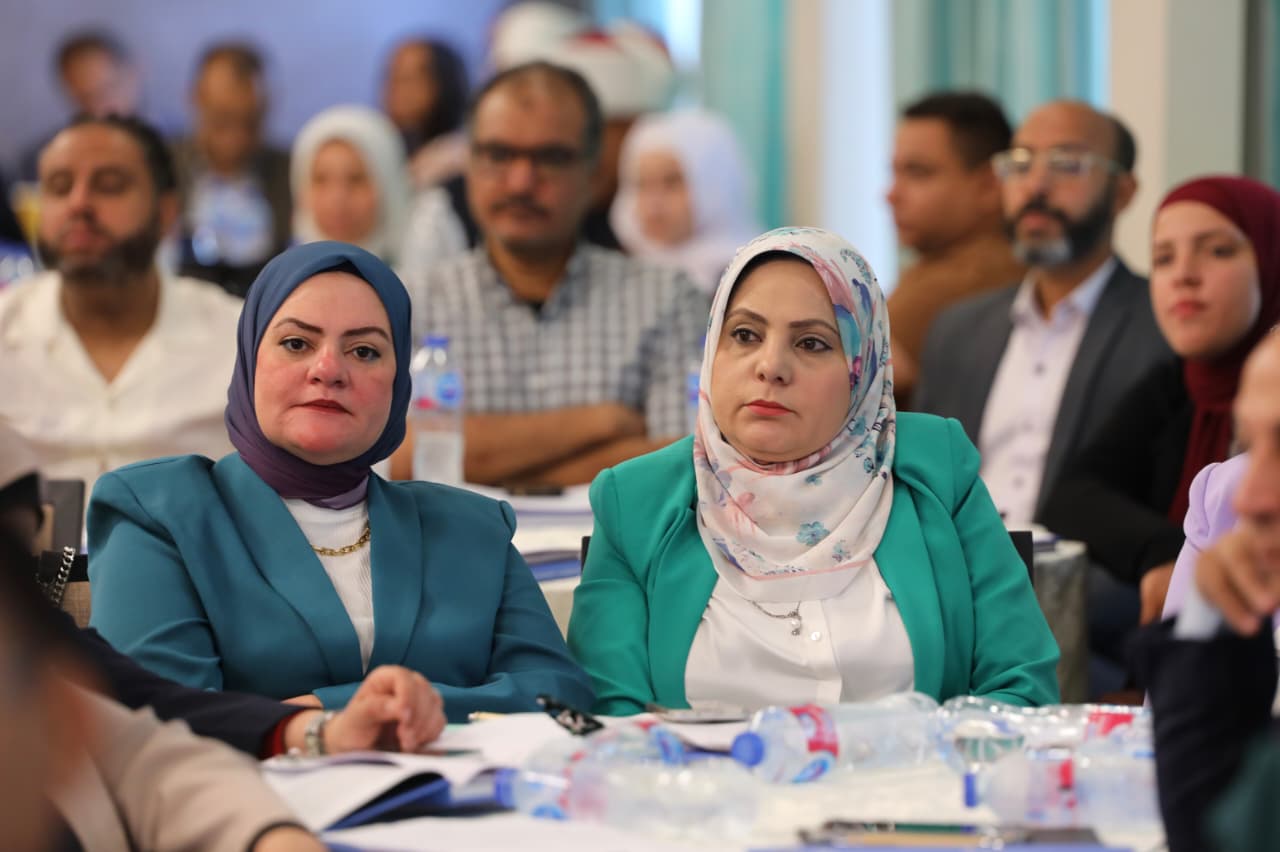
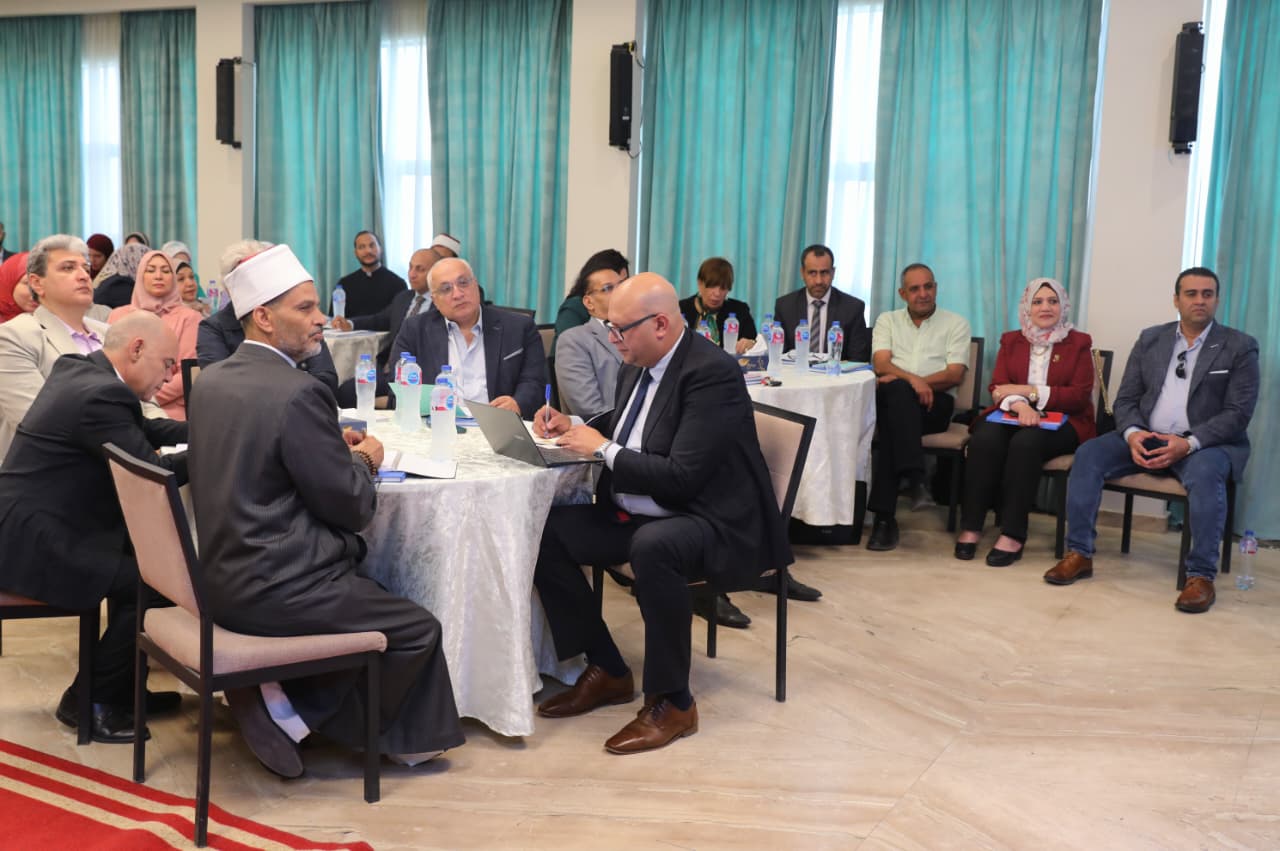
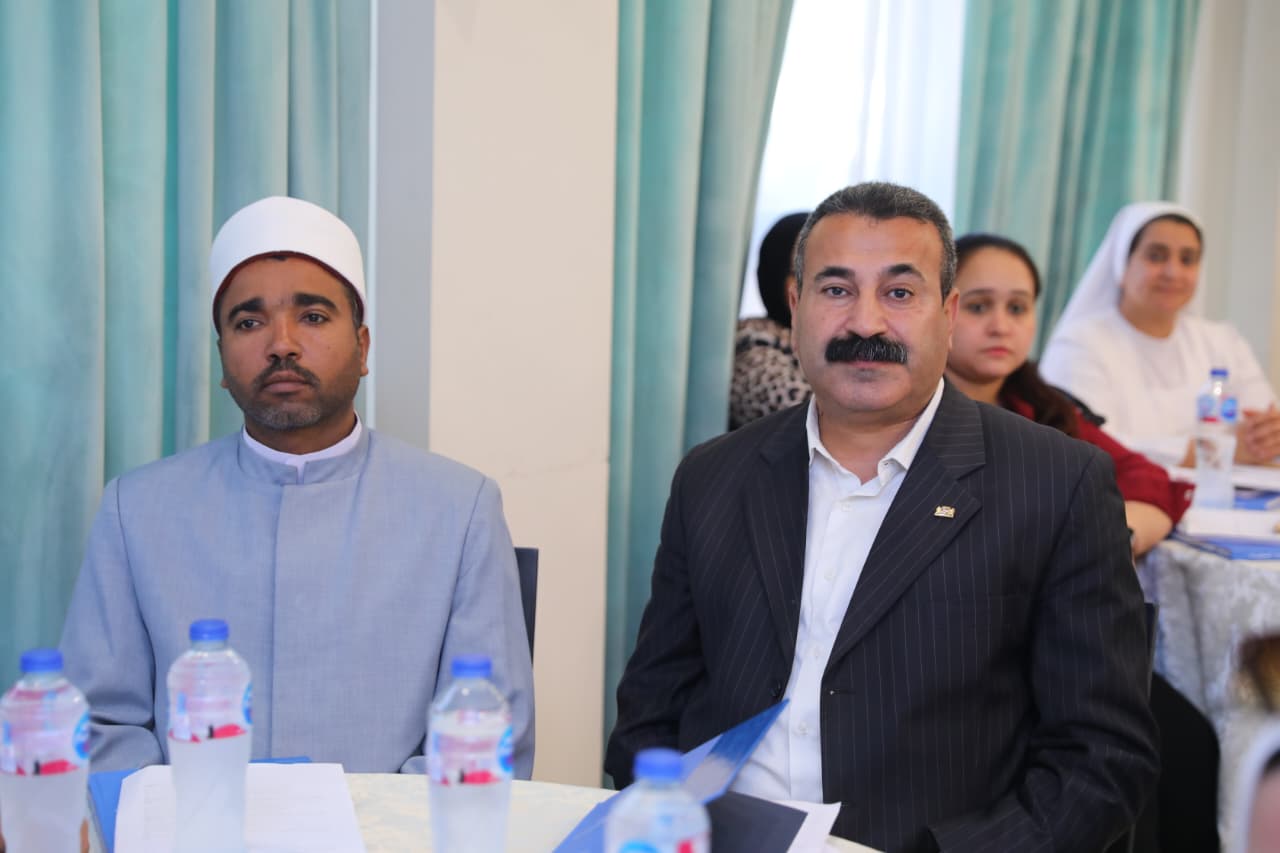
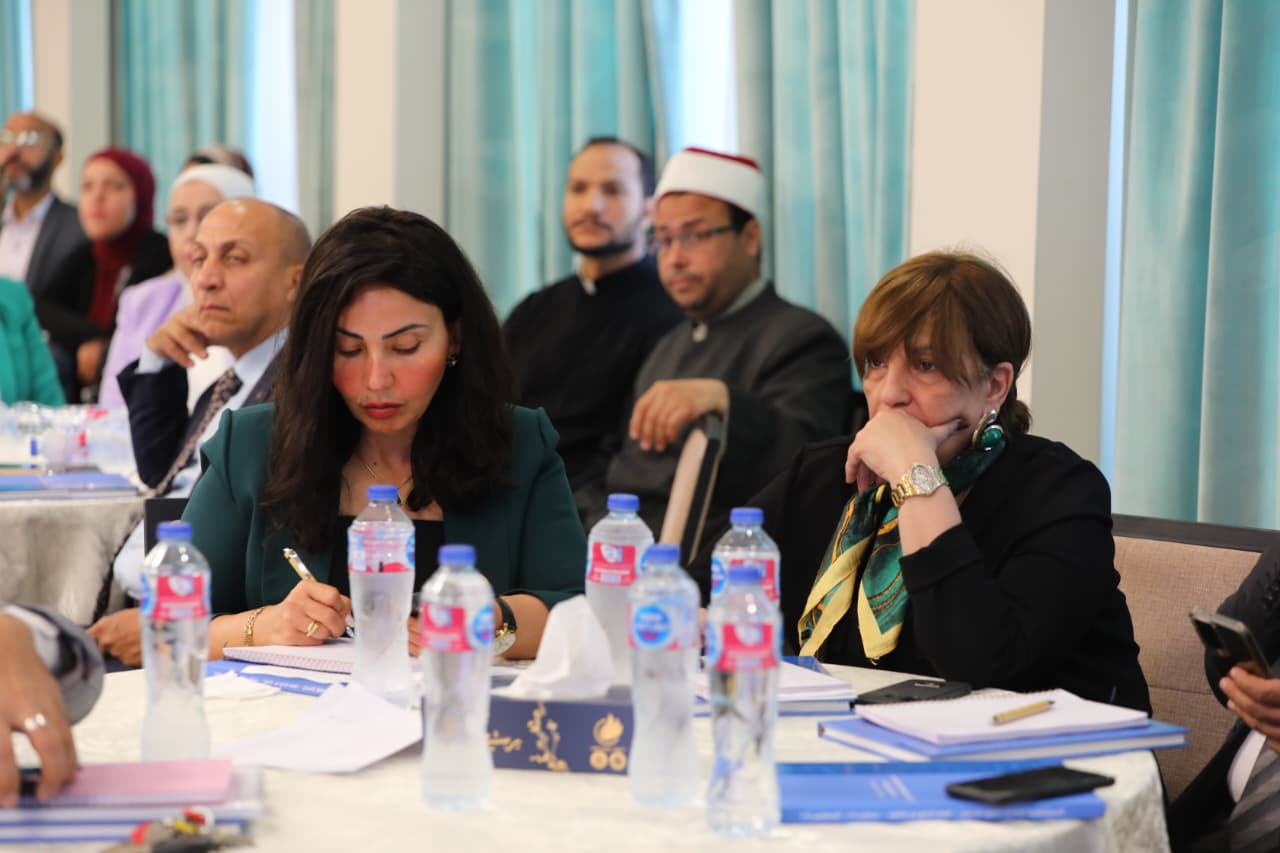
The meeting witnessed broad engagement from participants, who presented diverse interventions and perspectives. These reflected a general consensus on the importance of strengthening the participatory nature of preparing and implementing the strategy, activating the role of civil society alongside state institutions, ensuring youth participation, linking the strategy to economic development plans and Egypt Vision 2030, and focusing on the practical implementation of legislation.
The meeting concluded by affirming that the Second National Human Rights Strategy represents an advanced step toward maximizing actual impact through the adoption of measurable standards, strengthening institutional integration, and responding effectively to future challenges, in a way that supports the path of comprehensive development and places people at the heart of the development process.