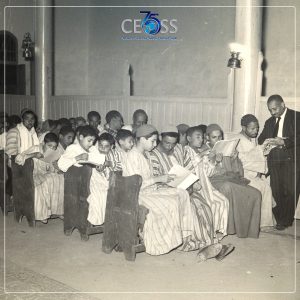
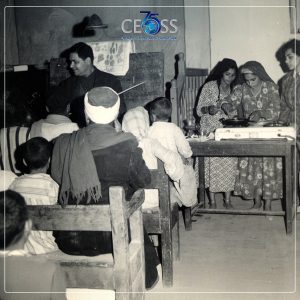
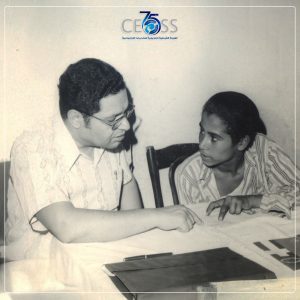

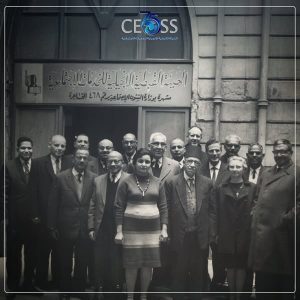
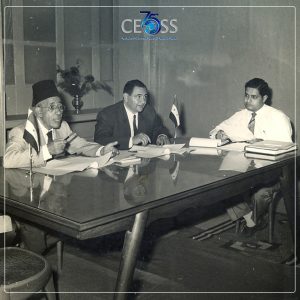
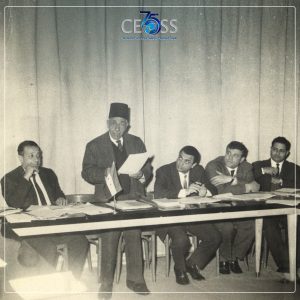
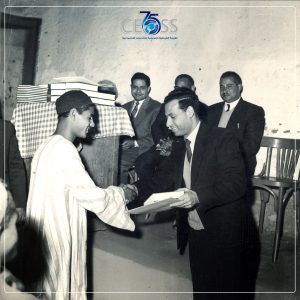
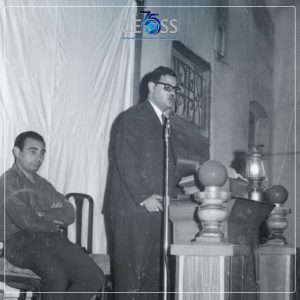
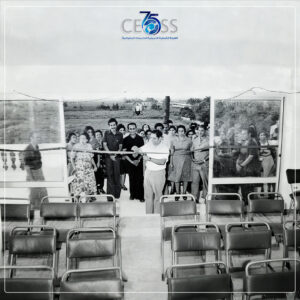
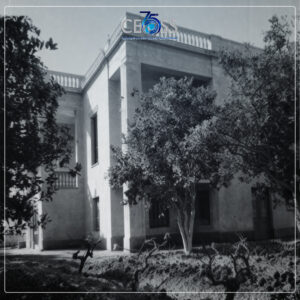
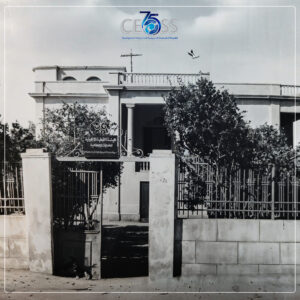
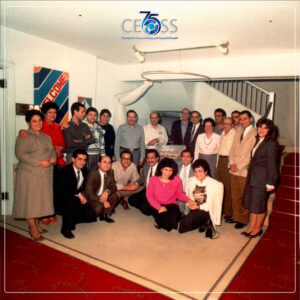
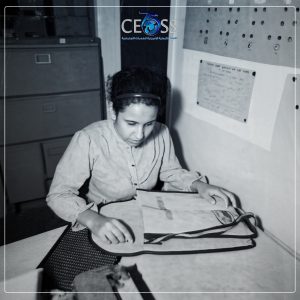
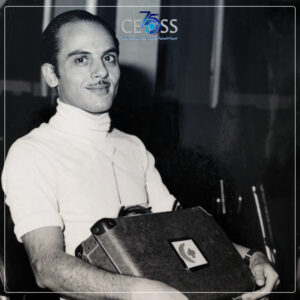


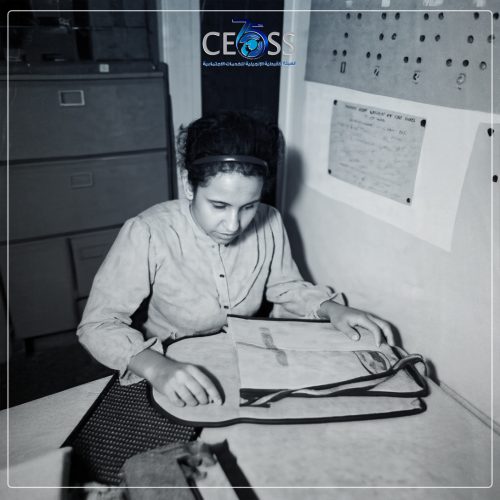
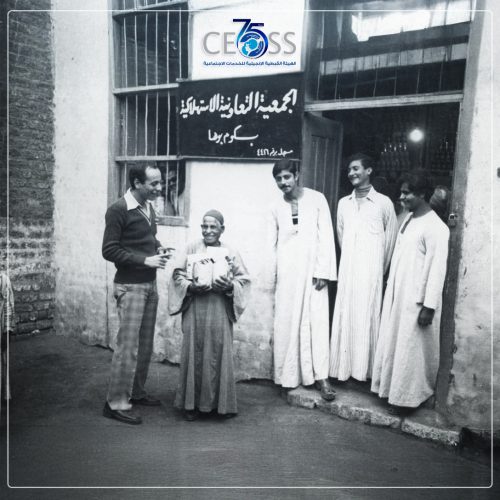
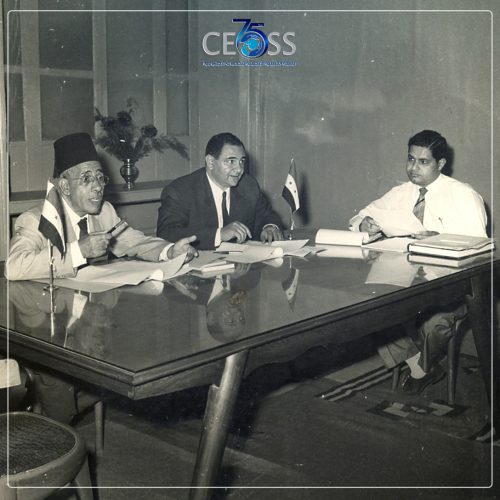
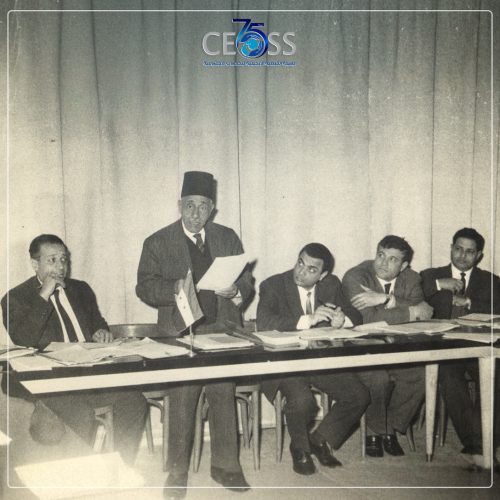
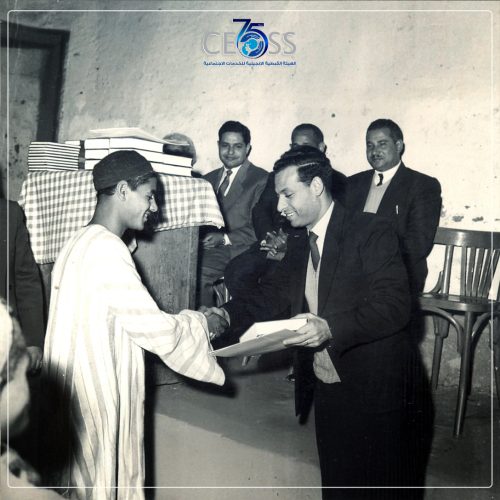
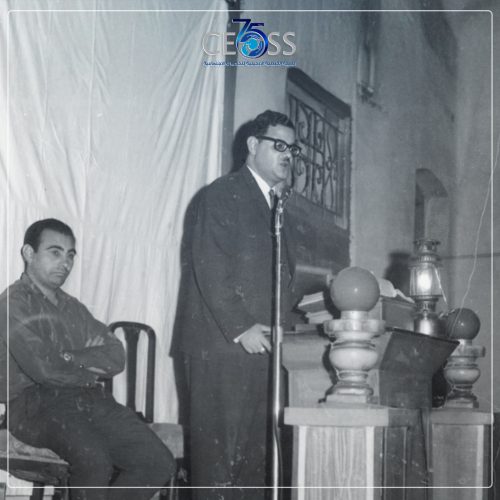
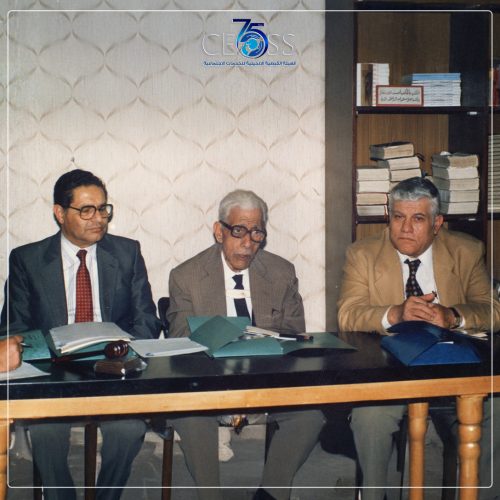

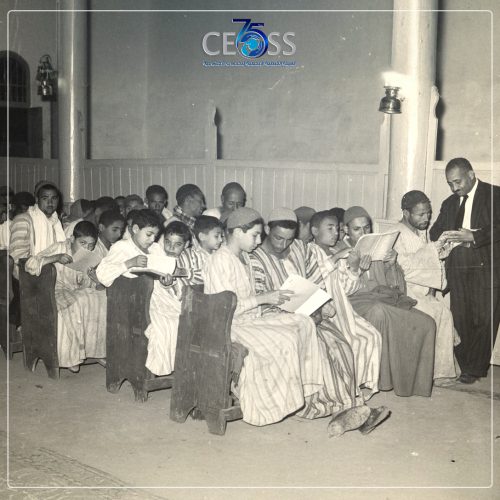
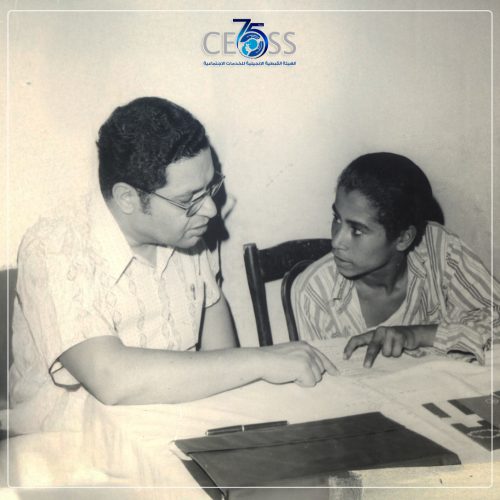
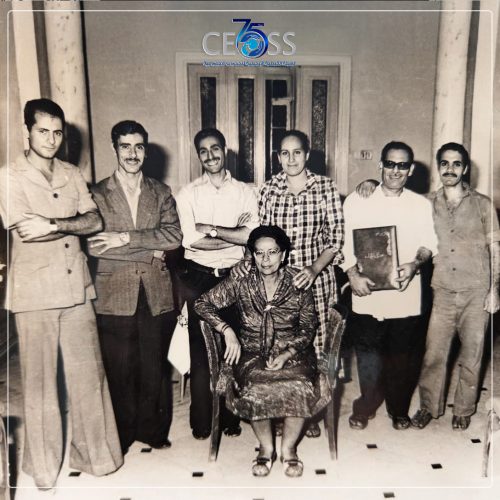
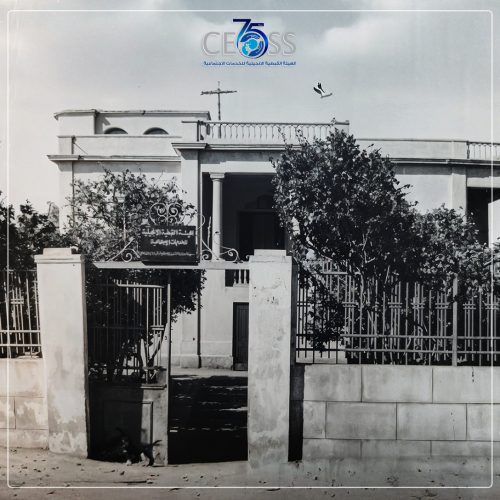
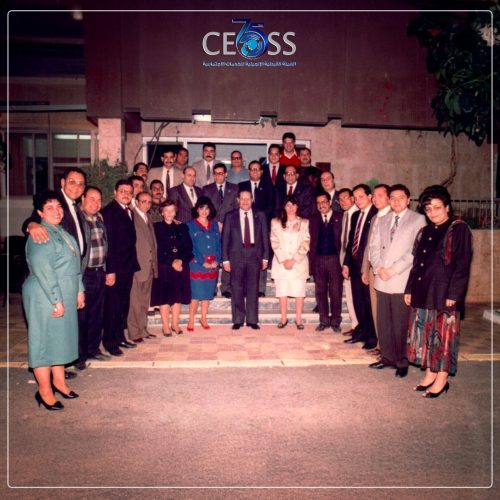
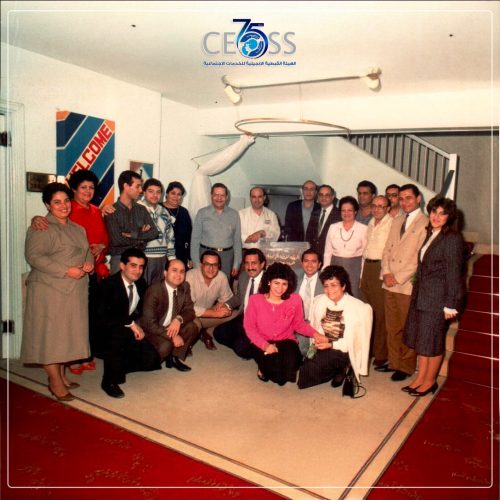

The work of the Coptic Evangelical Organization for Social Services began in the 1950s under the leadership of the late Dr. Rev. Samuel Habib. Its early efforts focused on education, combating illiteracy, and addressing harmful practices such as female genital mutilation.
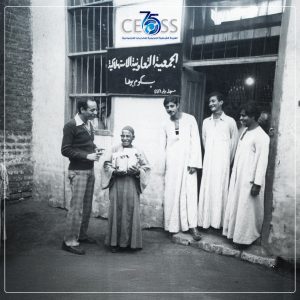
At that time, a committee known as the “Literacy House” was formed to discuss the issues and challenges faced by communities.
The Organization’s work initially began in villages in Minya Governorate, including: Harz, Sharouna, Deir Abu Hinnis, Al-Nasseriya, Abu Galban, Deir Al-Barsha, and Al-Kom Al-Akhdar.
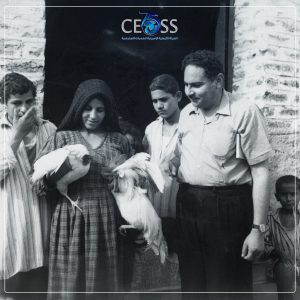
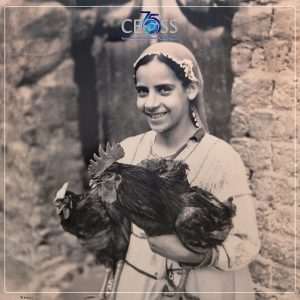
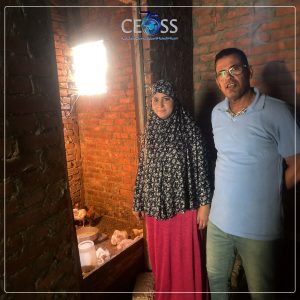
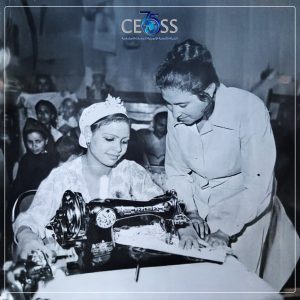
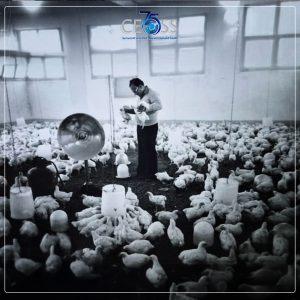
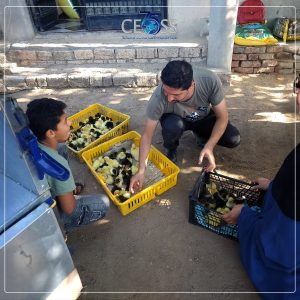
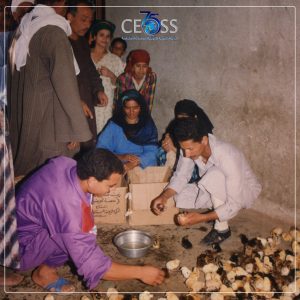
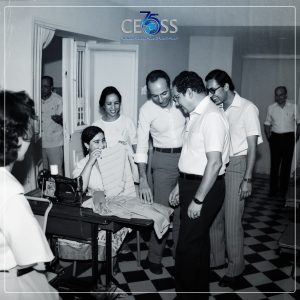
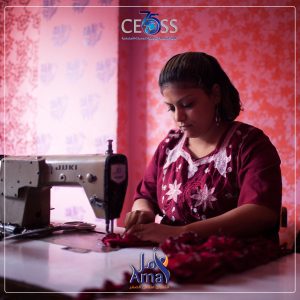
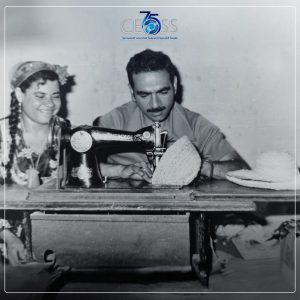
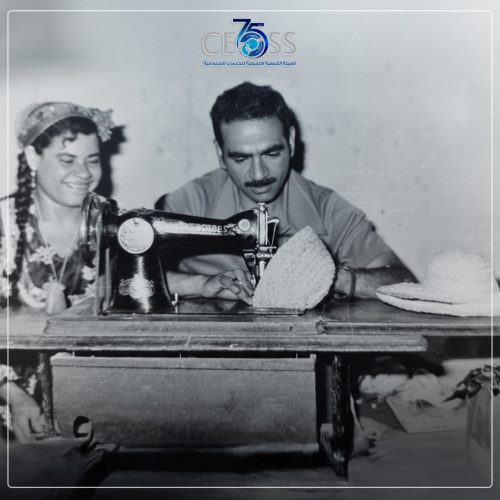
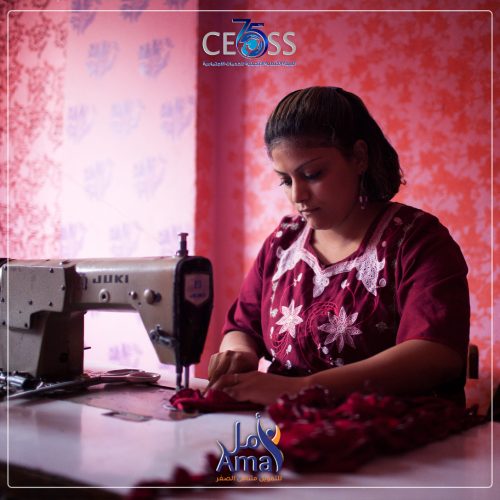
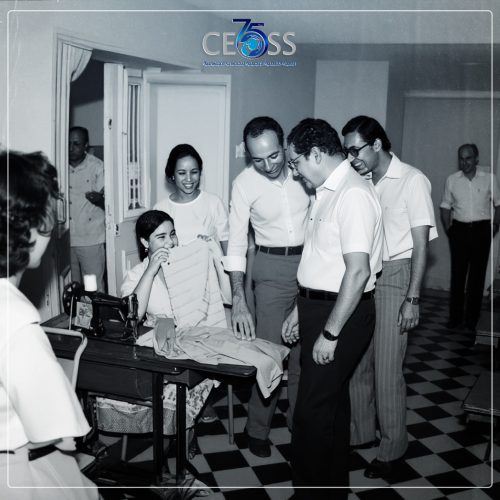
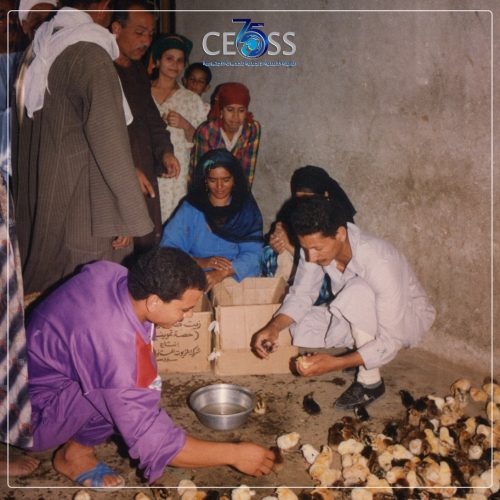
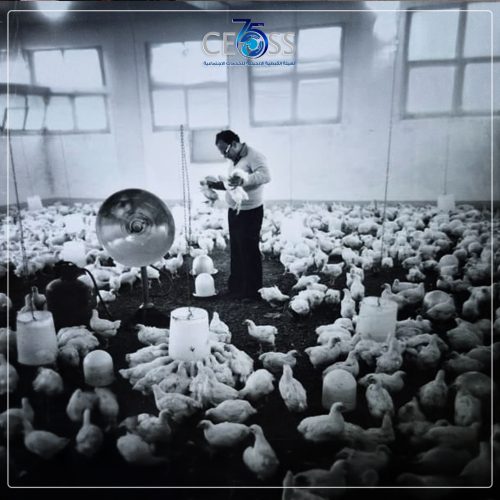
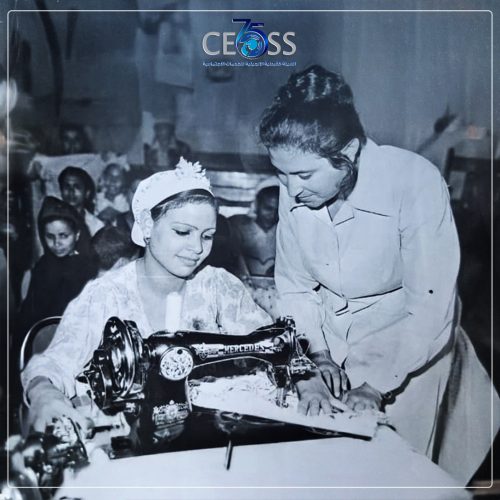
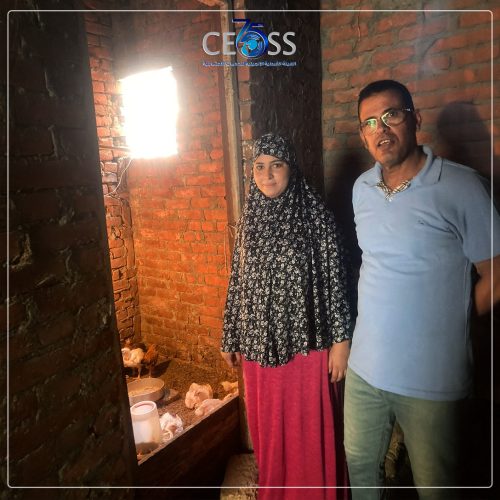
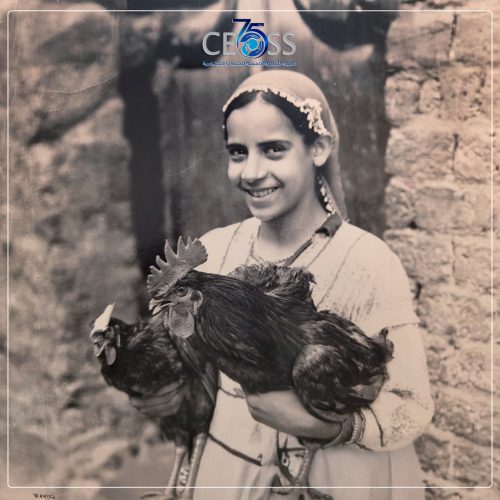
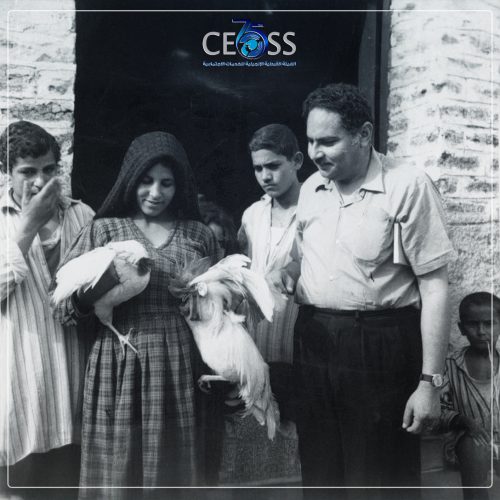
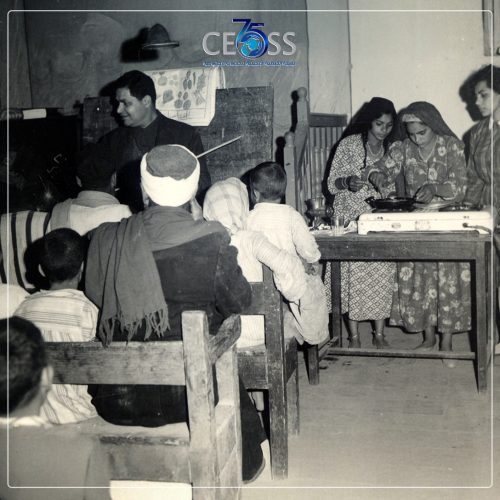
In 1961, the Coptic Evangelical Organization focused on improving the living standards of rural communities by distributing improved chicks and providing guidance on proper poultry farming, dairy production, and sewing skills. This initiative represents one of the rural development programs that continues to this day.
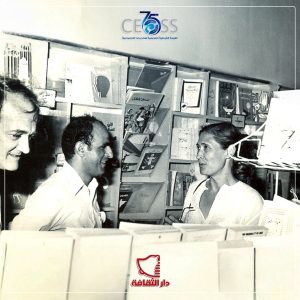
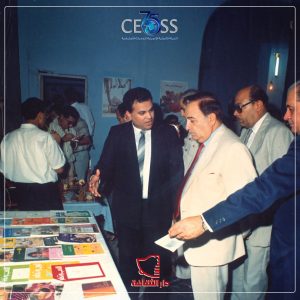
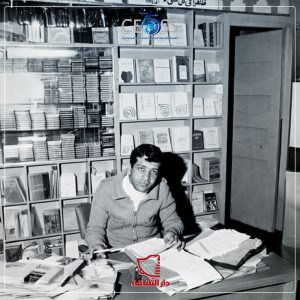
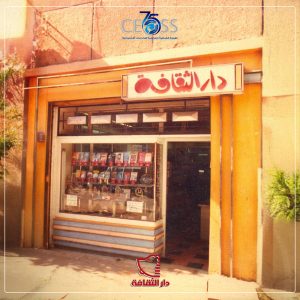
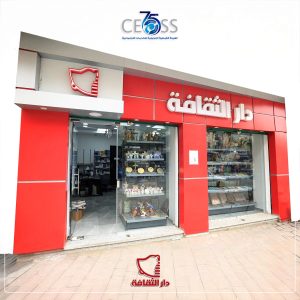
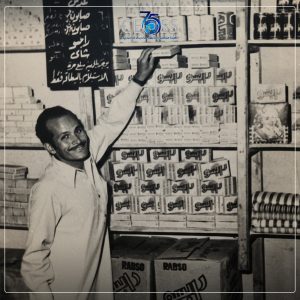
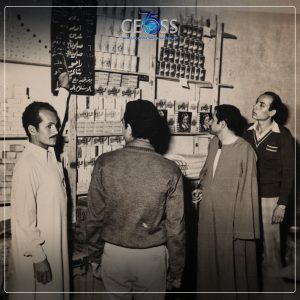
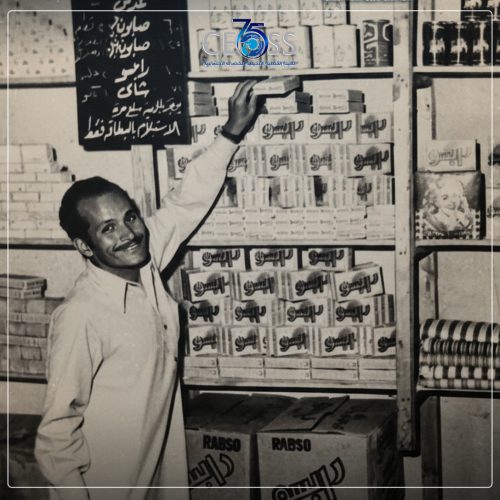
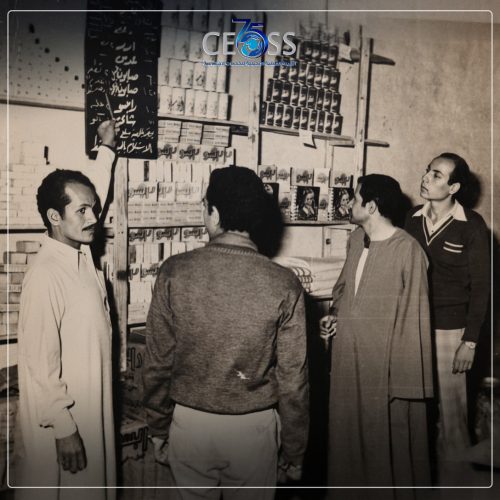
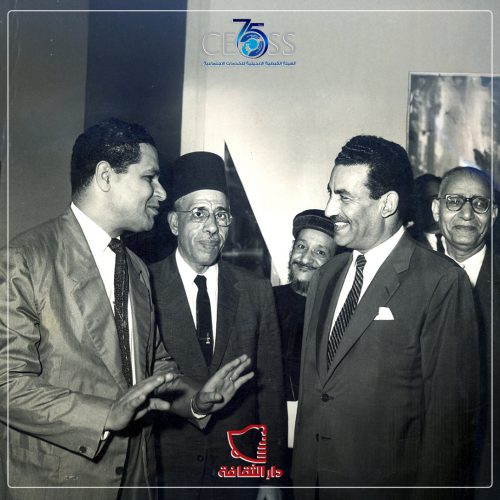
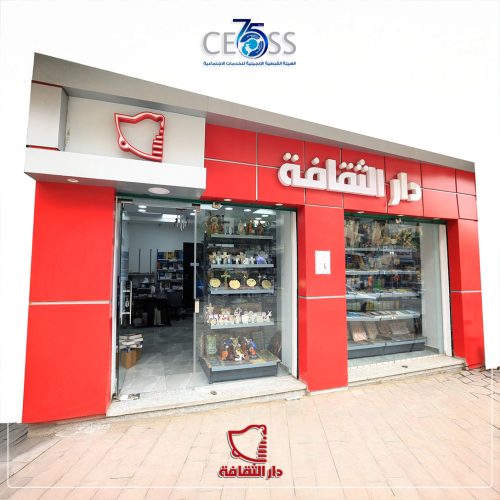
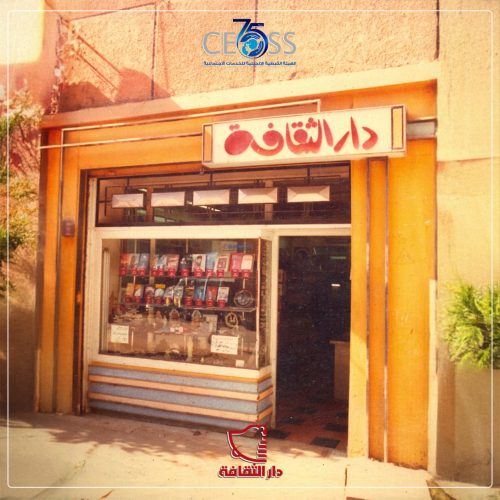
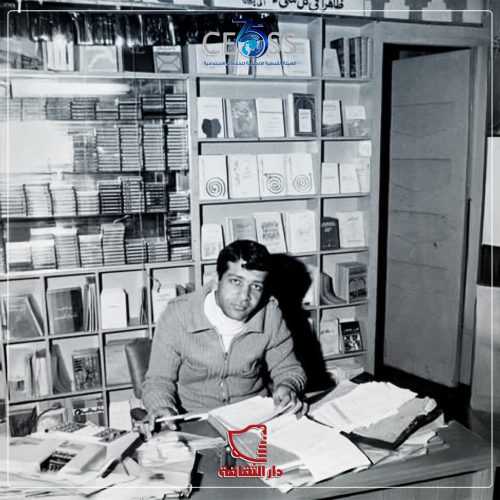
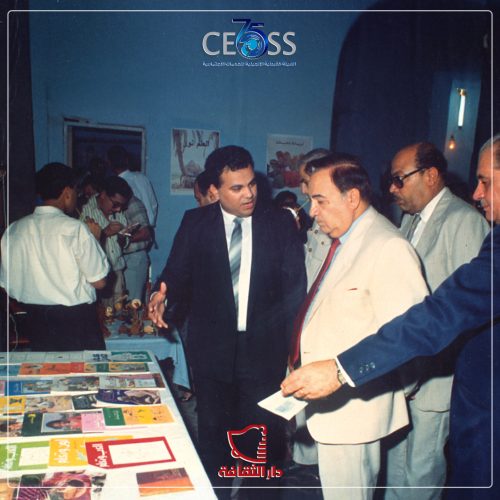
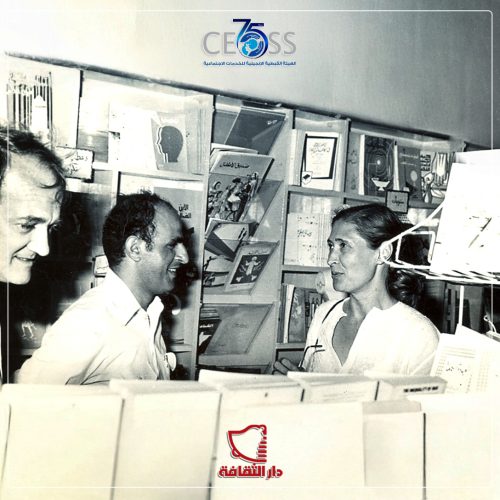
In 1962, the first branch of the Cultural Center was inaugurated through the Coptic Evangelical Organization. The Center focused on promoting enlightened cultural awareness across various fields and perspectives through social, psychological, and cultural publications.
Over the years, new branches were opened, bringing the total number to 11 branches. The Cultural Center also launched its official website, which includes an online store for purchasing books and publications.
Cultural Center Website:
https://darelthaqafa.com/
Branch Locations:
https://darelthaqafa.com/shops/
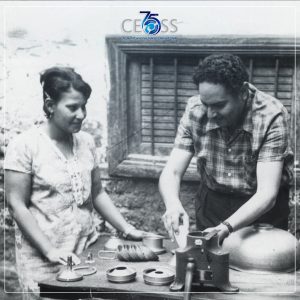
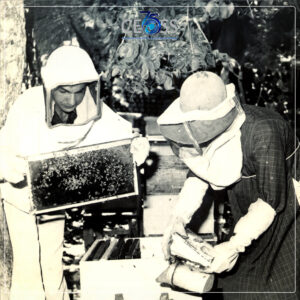
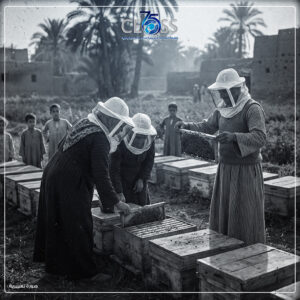
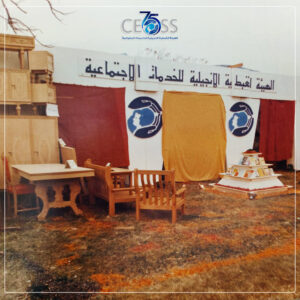
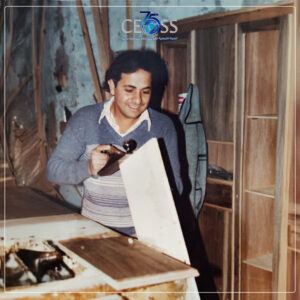
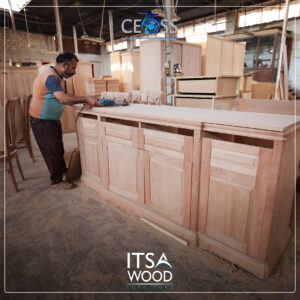
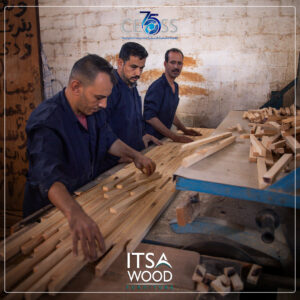
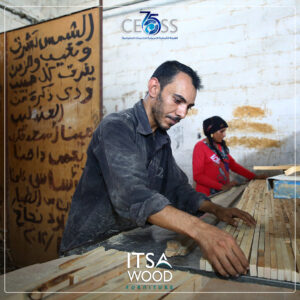
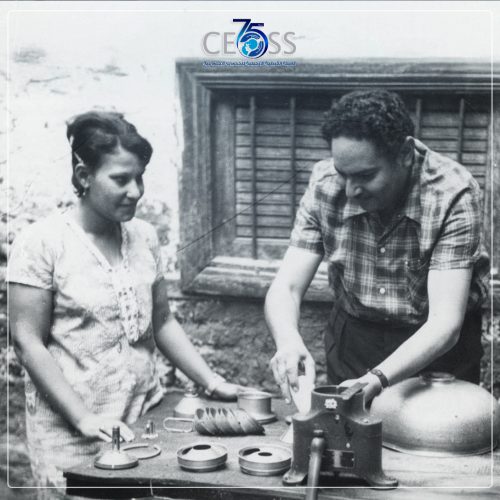
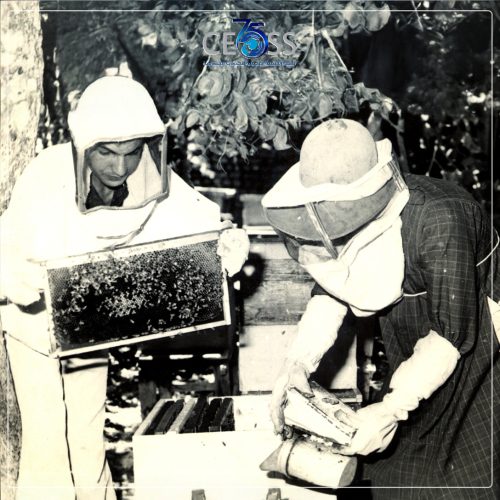
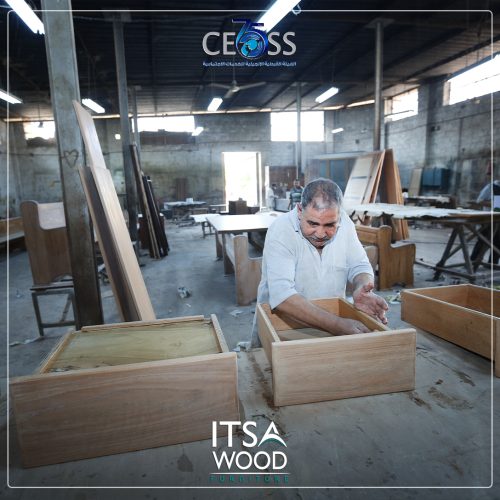
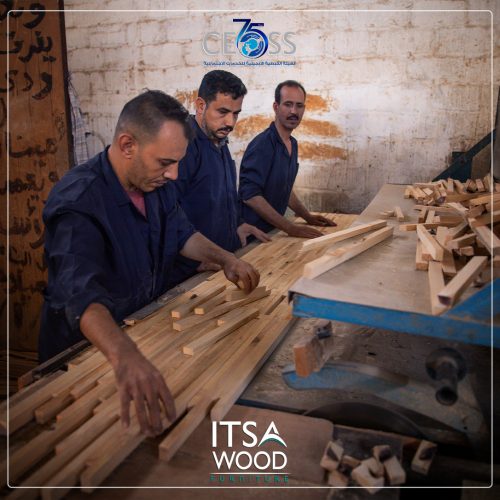
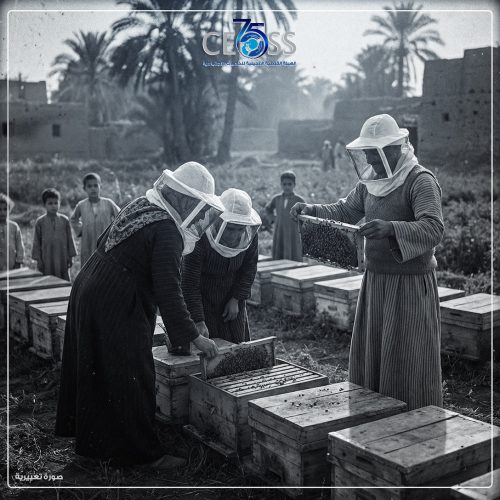
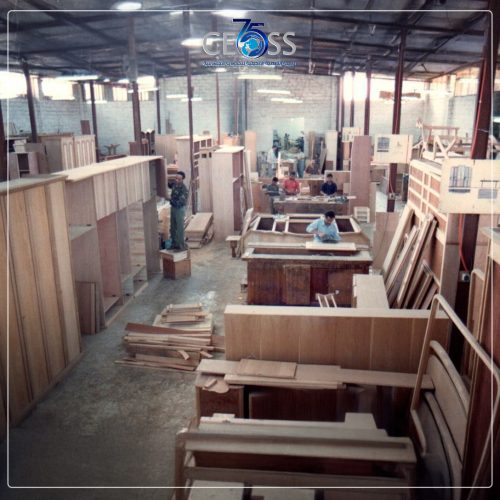
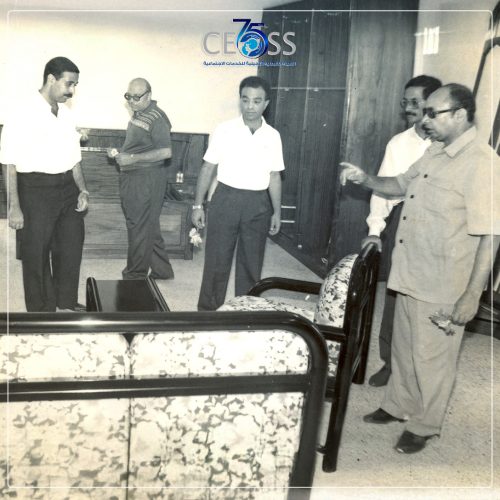
In the mid-1960s, the Coptic Evangelical Organization began focusing on improving the income of rural families by supporting honey production projects. In 1966, the Organization manufactured wooden beehives to meet farmers’ needs. As demand increased, a workshop in Itsa was established to produce beehives and wooden frames.
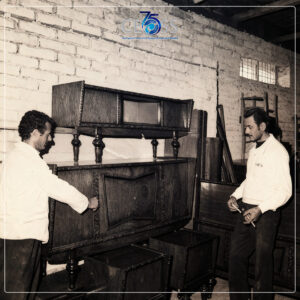
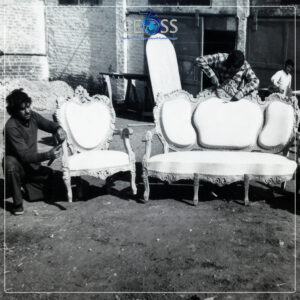
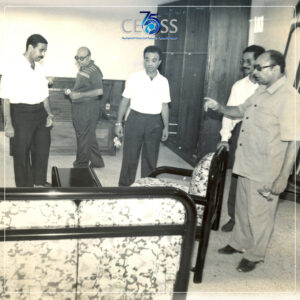
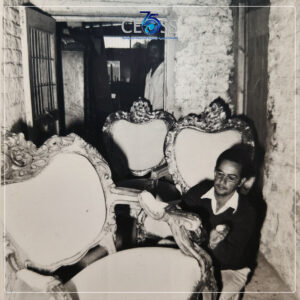
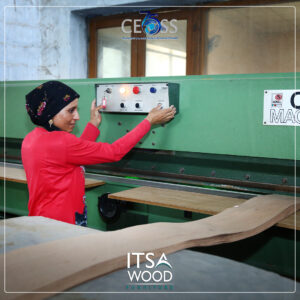
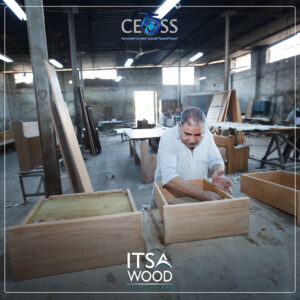
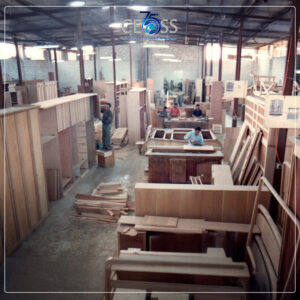
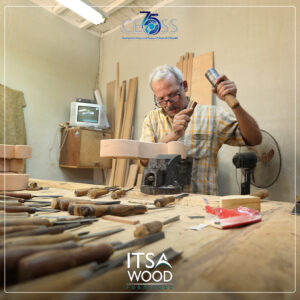
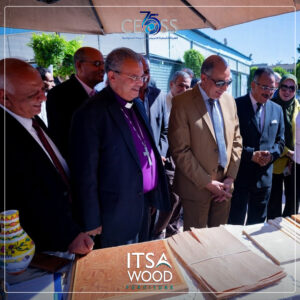
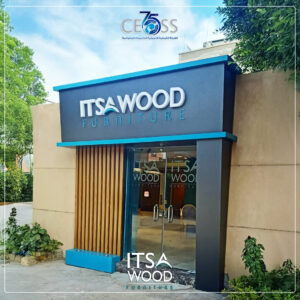
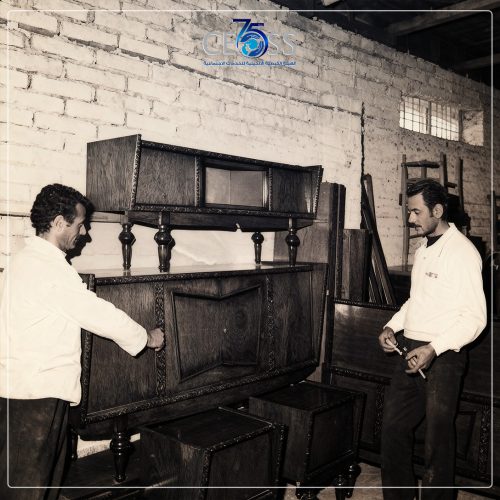
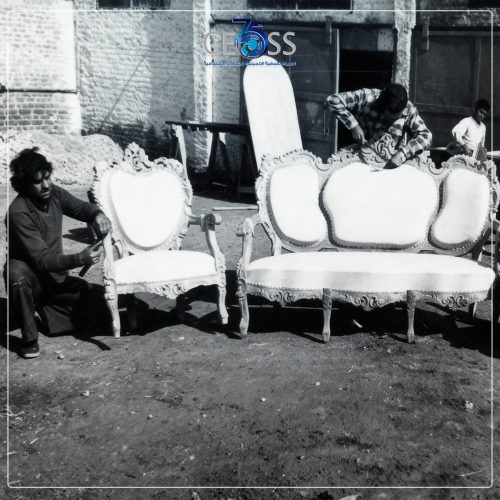
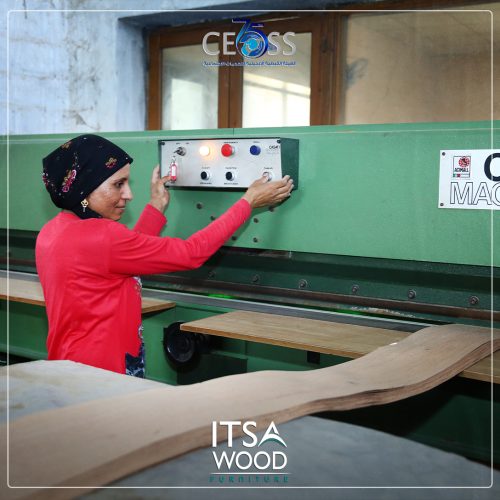
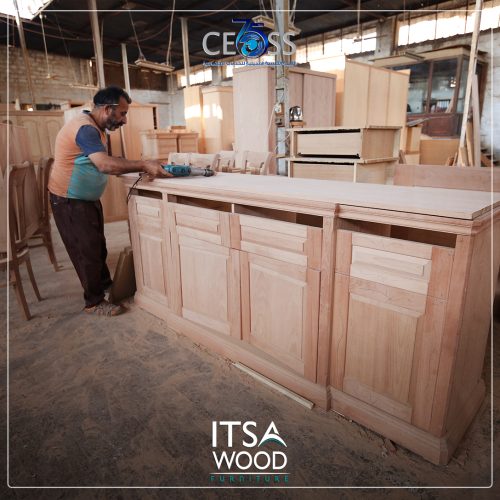
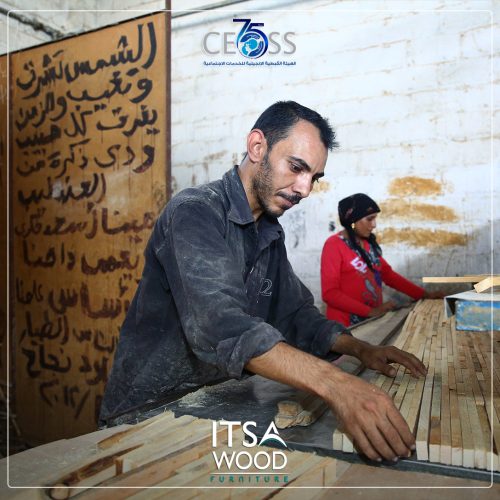
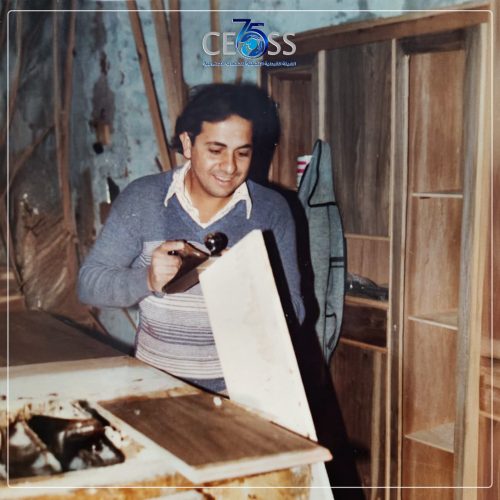
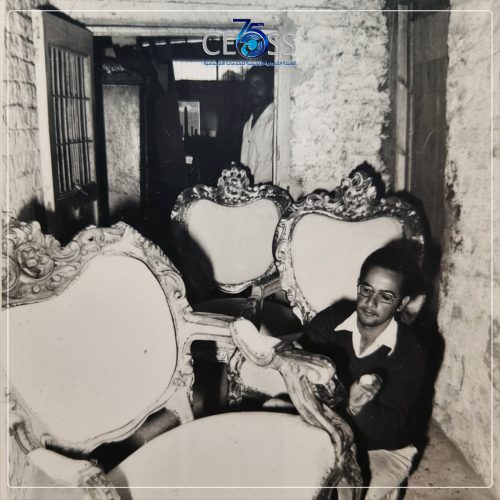
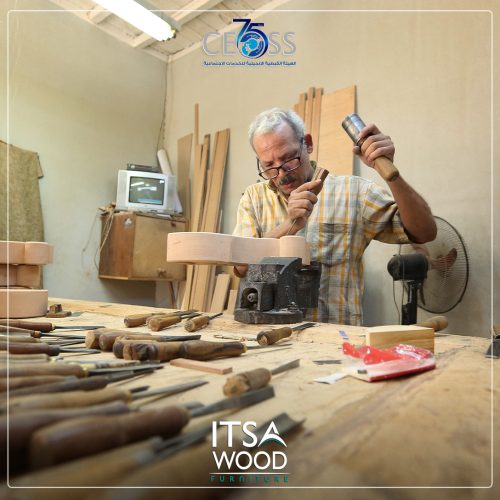
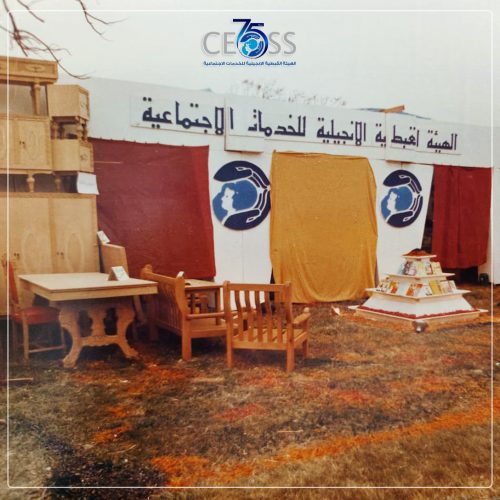
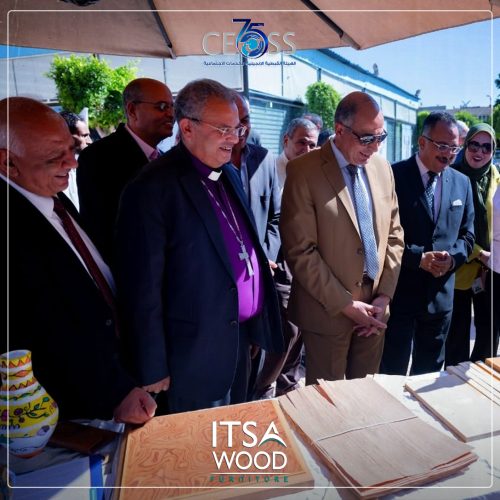
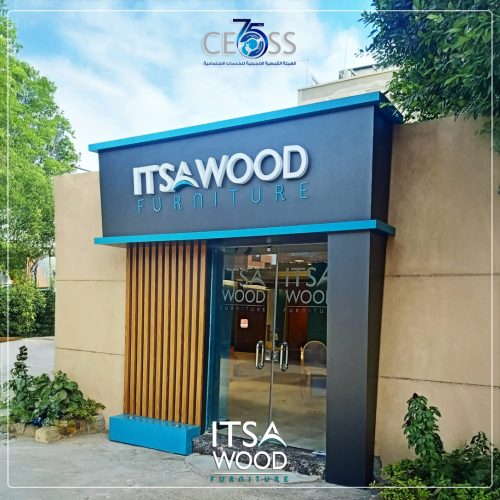
Following the success of this initiative, plans were made to expand the Itsa workshop to produce furniture made from natural wood. As a result, “Itsa Wood” was officially established in 1980. With the factory’s development through the introduction of modern machinery, contemporary designs, and new product models, four showrooms were opened in Cairo, Itsa, Minya, and Sohag. These efforts aimed to create job opportunities and provide high-quality products that contribute to the Organization’s financial sustainability and its development programs.
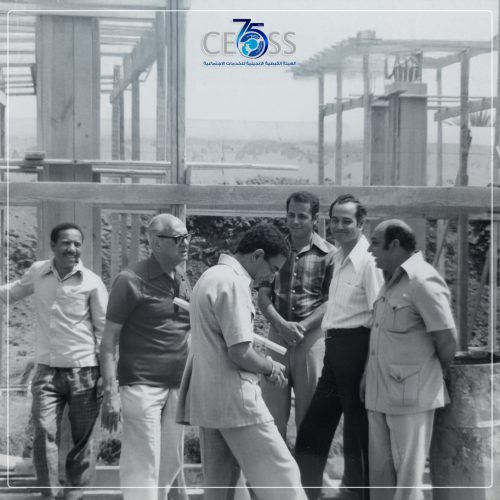
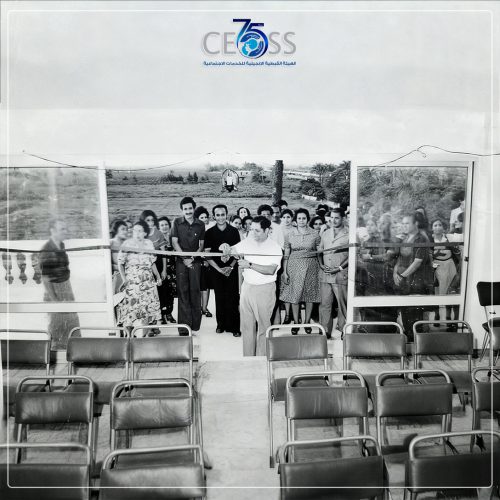
As the development programs of the Coptic Evangelical Organization expanded across Upper Egypt in the early 1970s, the need emerged for a dedicated venue to train village leaders in literacy, healthcare, and rural development.
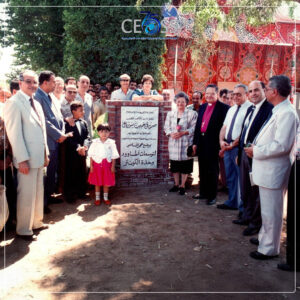
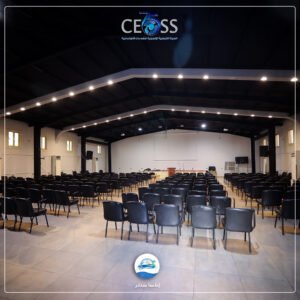
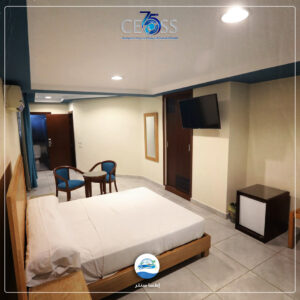
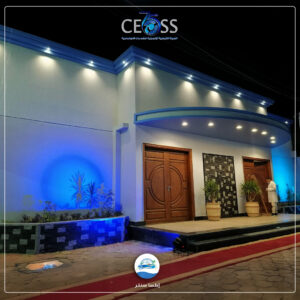
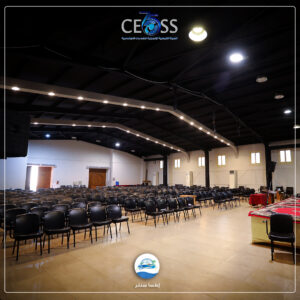
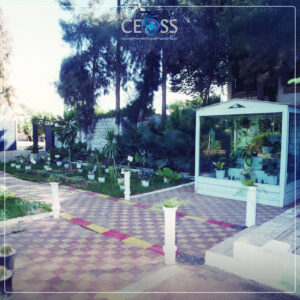
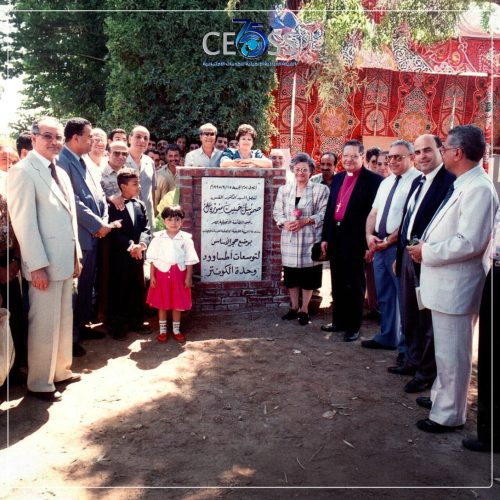
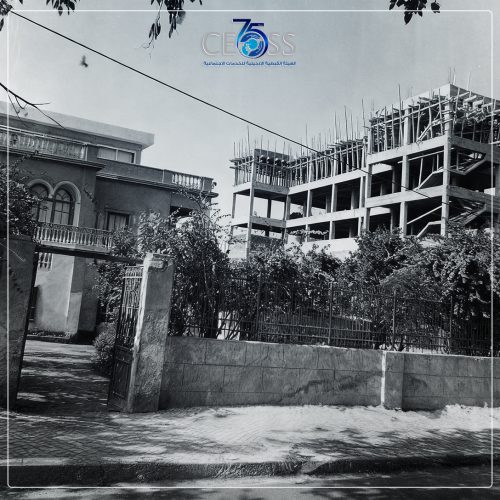
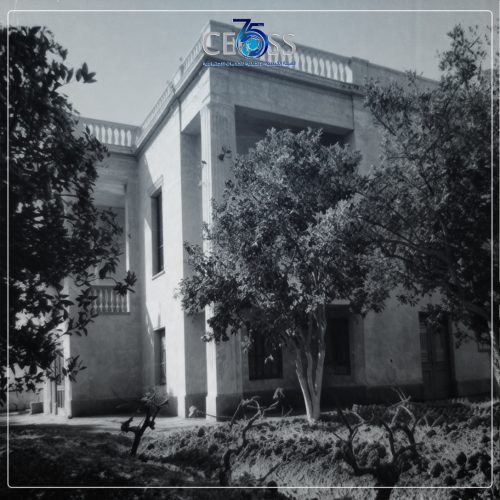
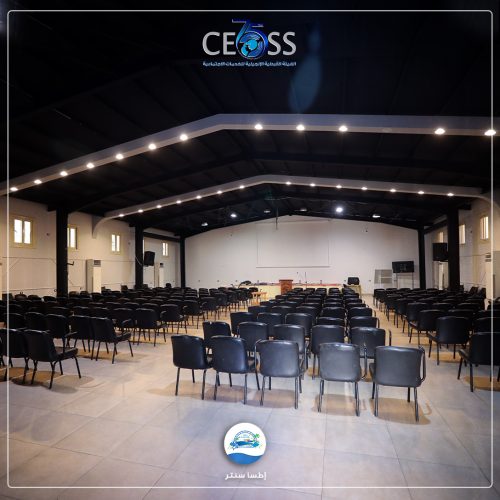
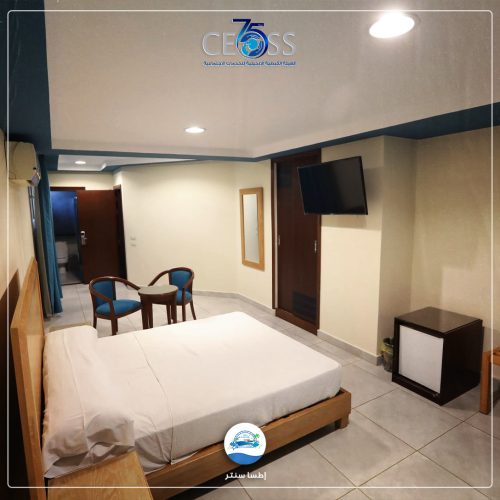
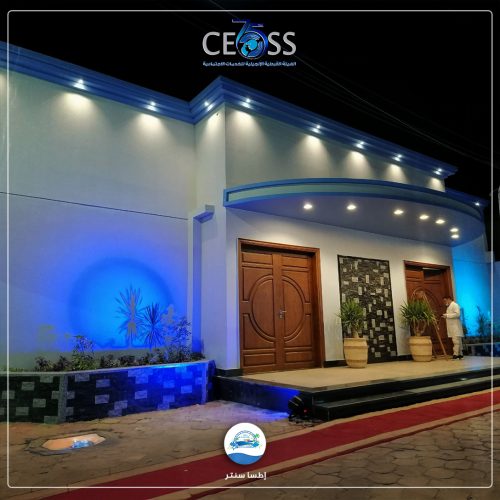
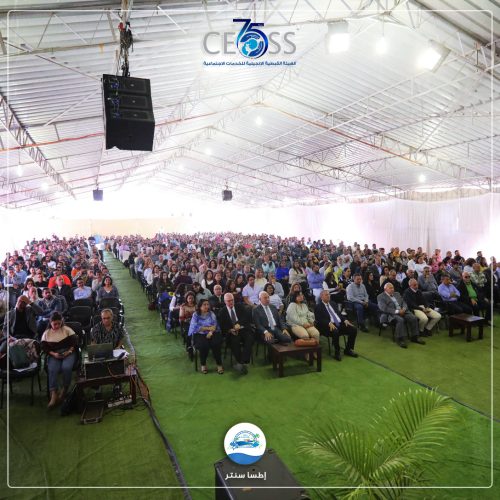
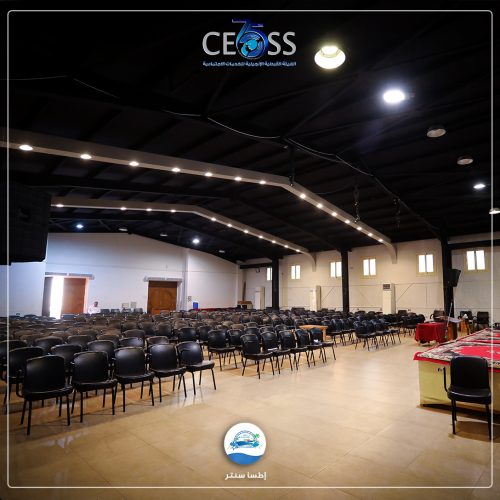
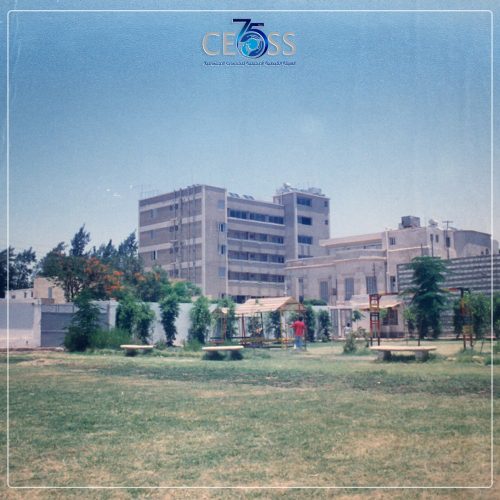
The village of “Itsa” was selected due to its proximity to Minya and its location along the Assiut–Cairo agricultural road, making it easily accessible for delegations from central and northern Upper Egypt. This led to the establishment of “Itsa Center,” which has undergone several renovations over the years, with the addition of new halls, buildings, tents, equipment, and modern furnishings. Over the course of five decades, Itsa Center has evolved from a simple camp into a comprehensive conference and hospitality complex capable of hosting major events.
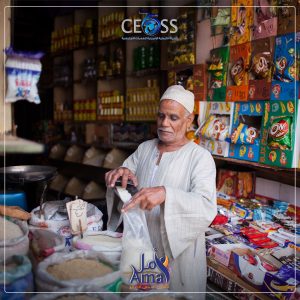
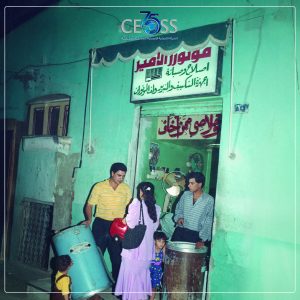
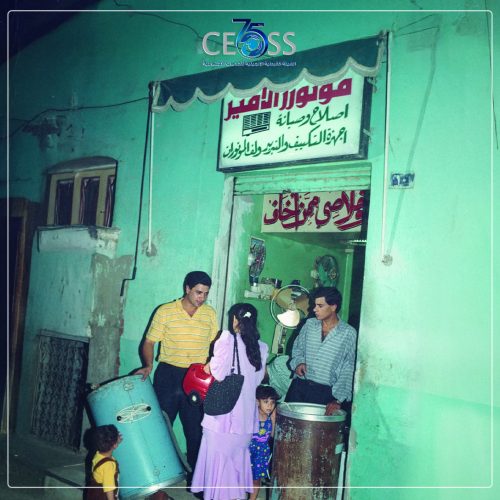
In 1979, the Coptic Evangelical Organization began providing loans to individuals and groups to support small income-generating projects, as part of the Economic Development Unit, alongside vocational training programs at Itsa Center.
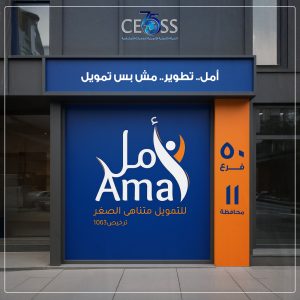
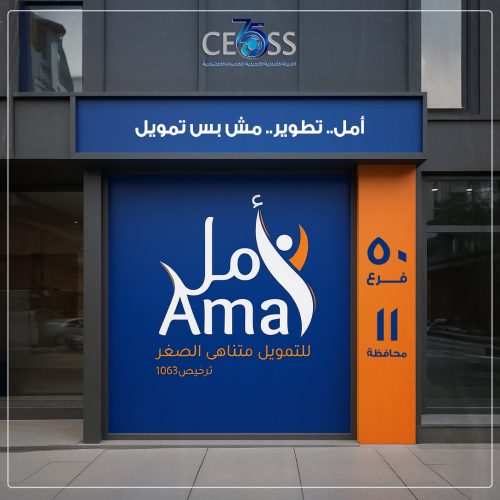
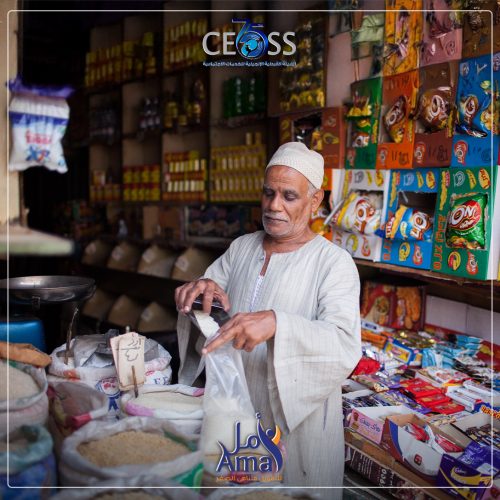
In response to growing demand, the program expanded through the establishment of new loan branches, now known as “Amal” for Microfinance. Today, Amal operates through 50 branches across 11 governorates, and is considered one of the programs that support the Organization’s financial sustainability and its development initiatives.
To view branch locations:
https://ceoss-eg.org/working-locations/
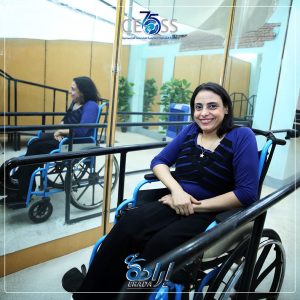
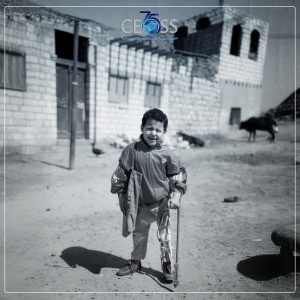
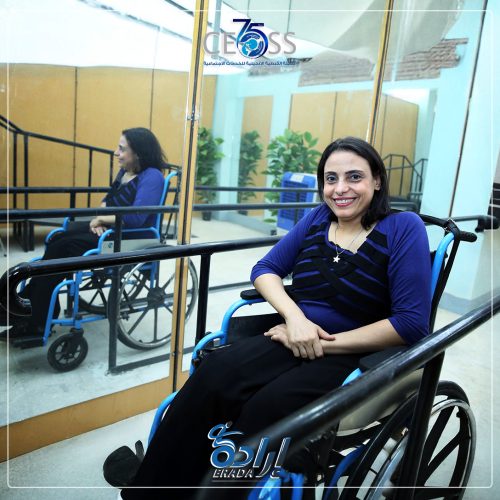
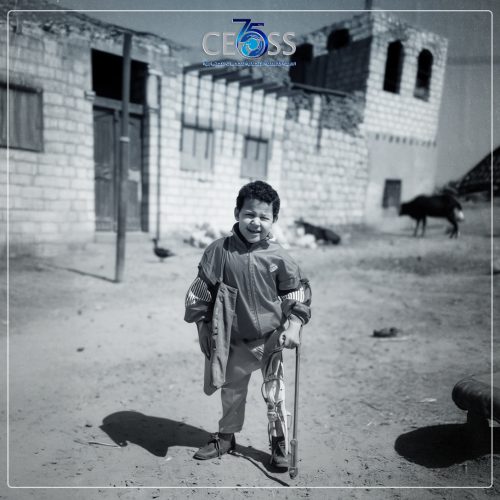
In 1983, the Coptic Evangelical Organization launched its Program for the Rehabilitation of Persons with Disabilities, aiming to empower persons with disabilities and their families to actively participate in society, advocate for their rights, promote social inclusion, and work toward eliminating all forms of discrimination practiced against them.
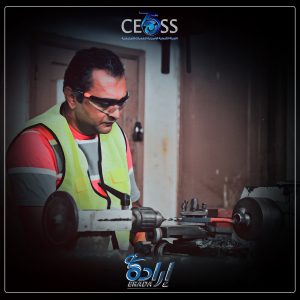
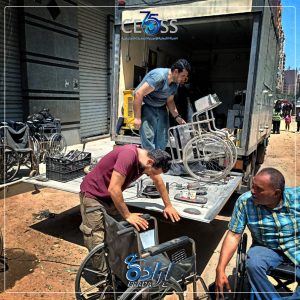
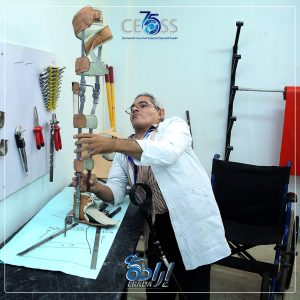
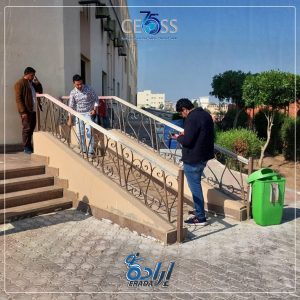
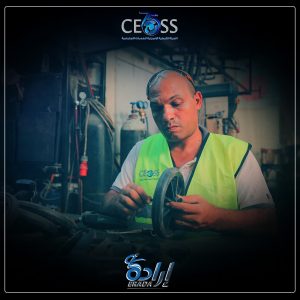
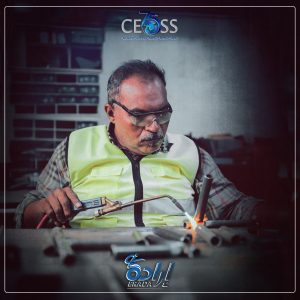
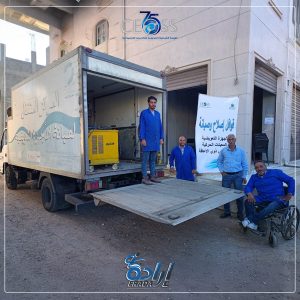
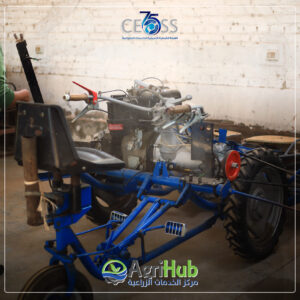
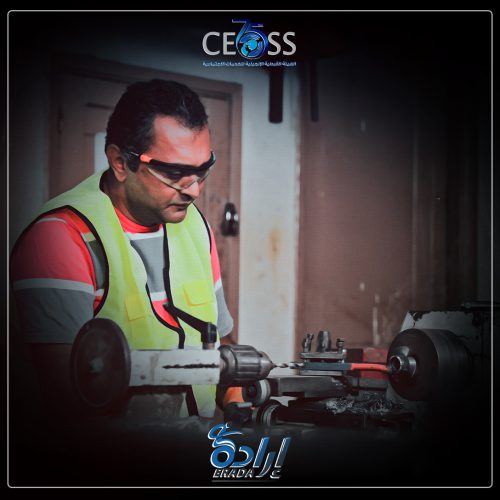
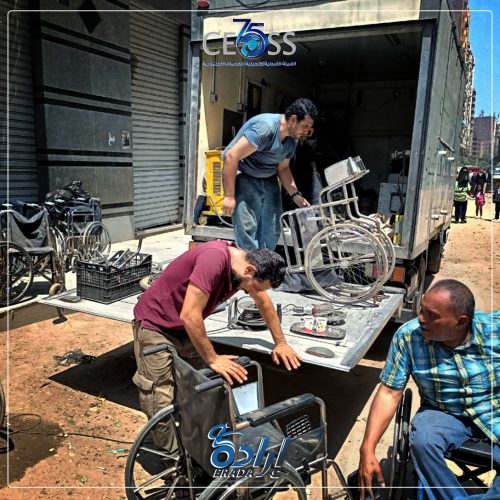
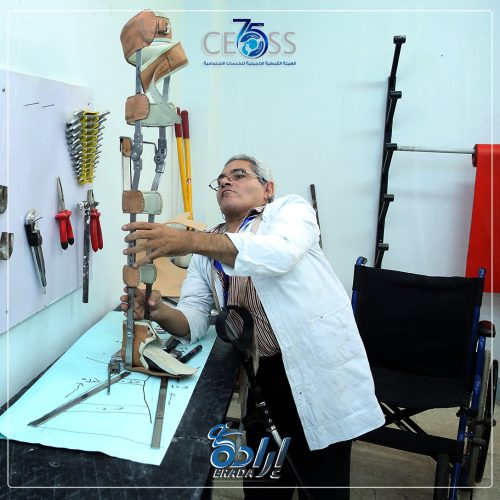
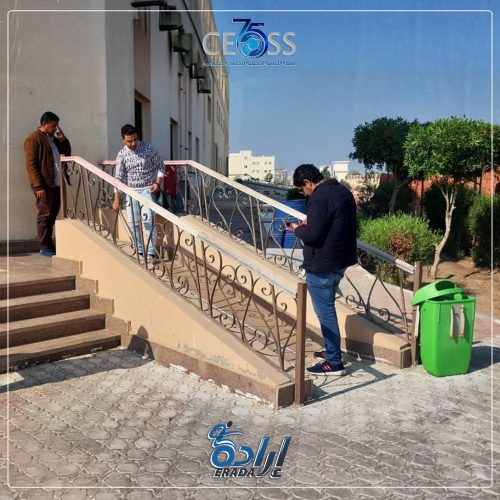
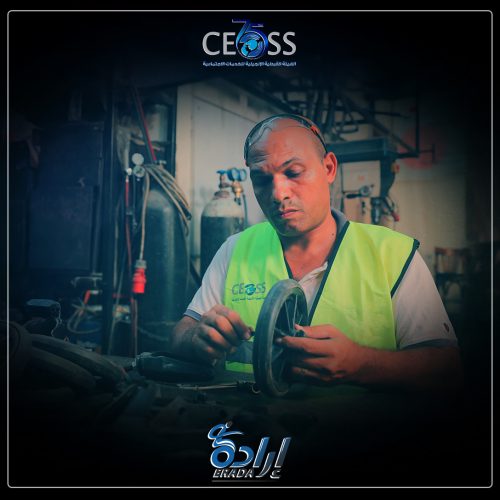
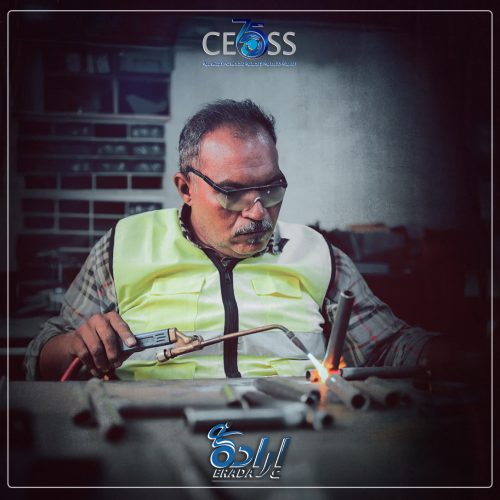
To provide practical solutions that support and integrate persons with disabilities, the “Erada” Factory was established in 2005. The factory specializes in manufacturing mobility aids, including wheelchairs, prosthetic limbs, crutches, and walkers. In addition, it implements architectural accessibility projects in public and governmental institutions, educational and healthcare facilities, and youth centers—contributing to the inclusion of persons with disabilities in society.
We take pride in the fact that the majority of the factory’s team members are persons with disabilities themselves, ensuring a deeper understanding of real challenges and the creation of effective solutions that truly transform lives.
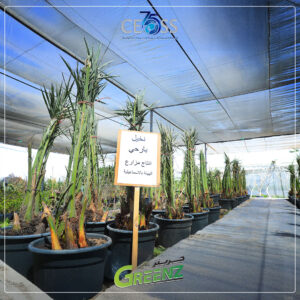
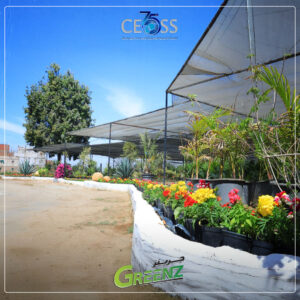
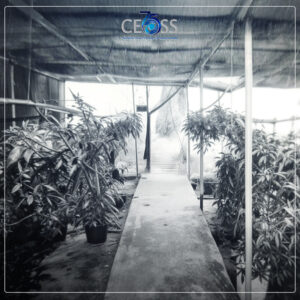
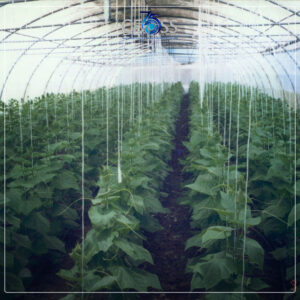
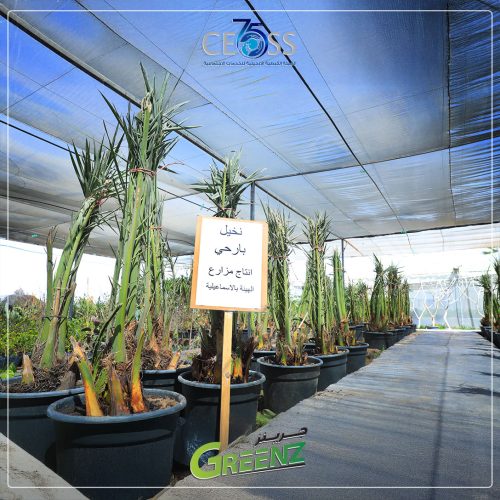
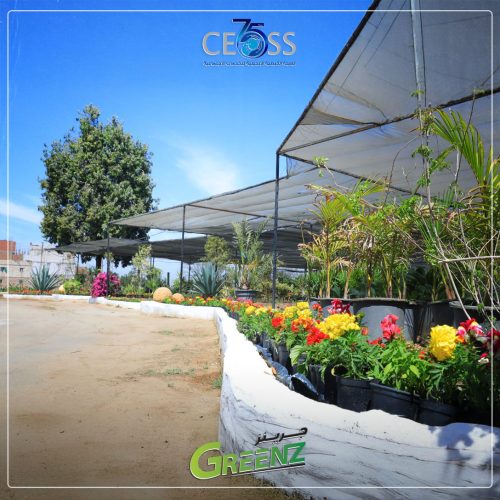
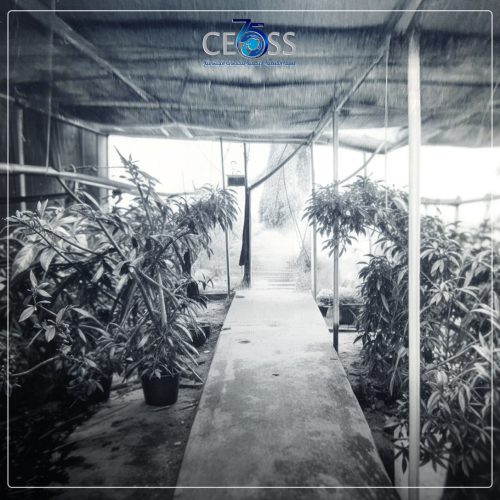
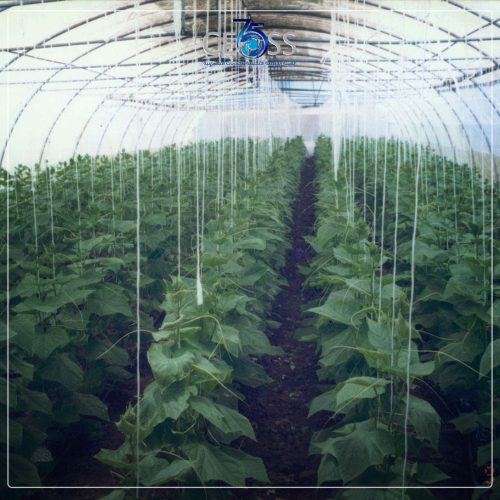
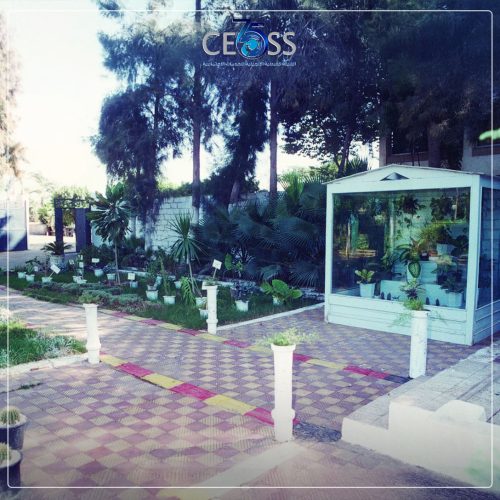
In 1987, the Itsa Nursery (“Itsa Farm”) was established to provide high-quality seedlings and nursery supplies for small-scale farmers and institutions.
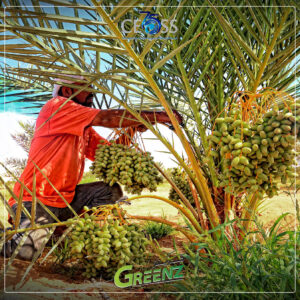
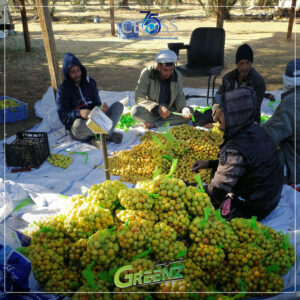
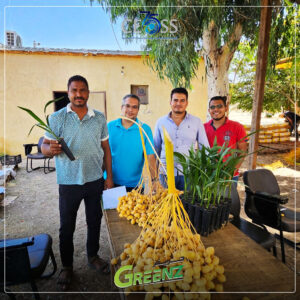
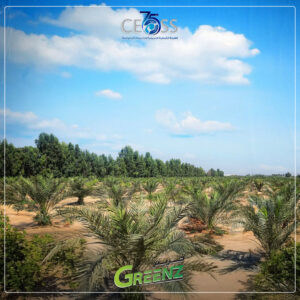
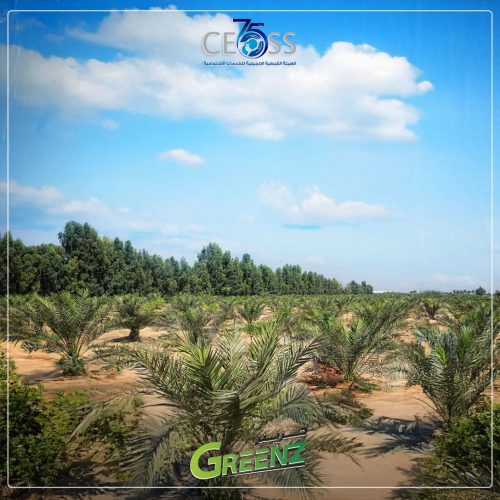
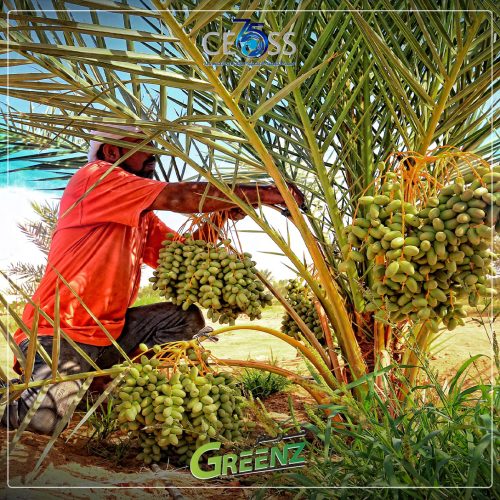
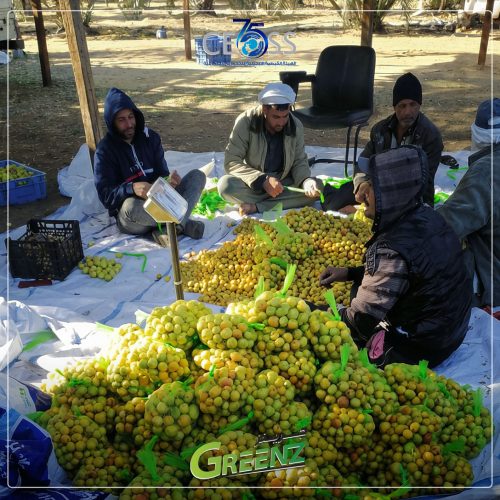
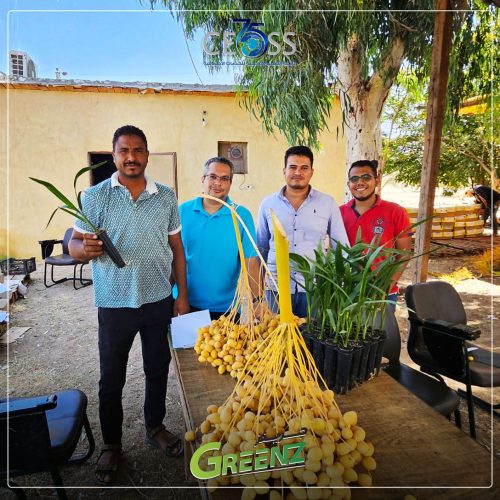
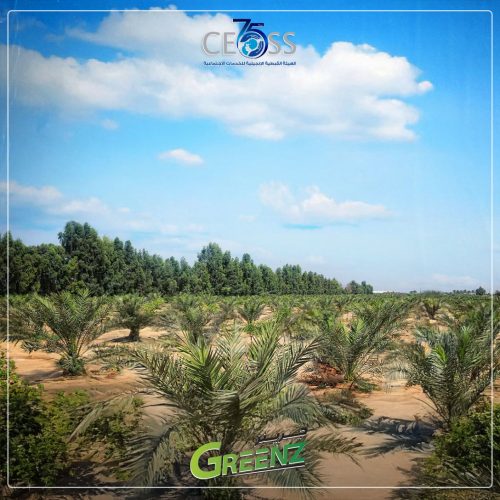
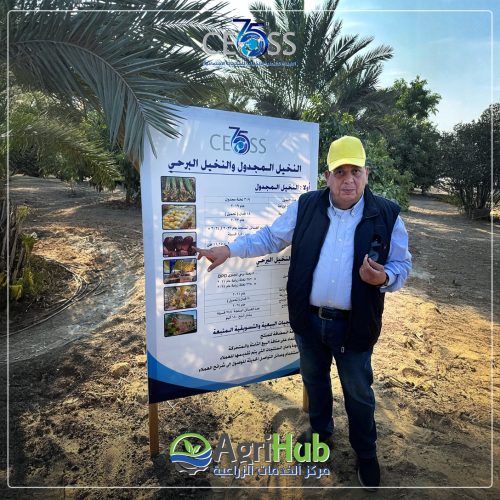
In 2017, 135 feddans of land were acquired along the Egypt–Ismailia Desert Road, known as “Ismailia Farm,” with the aim of producing premium Barhi dates, Barhi palm offshoots, and jujube.
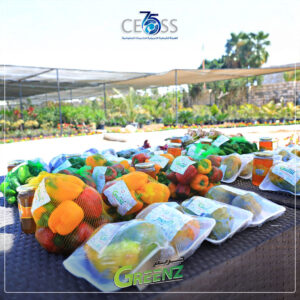
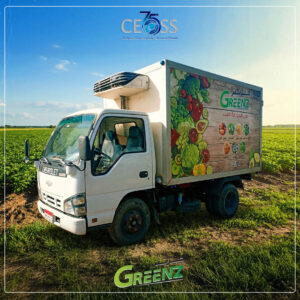
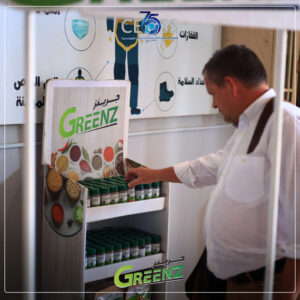
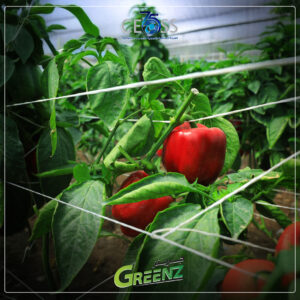
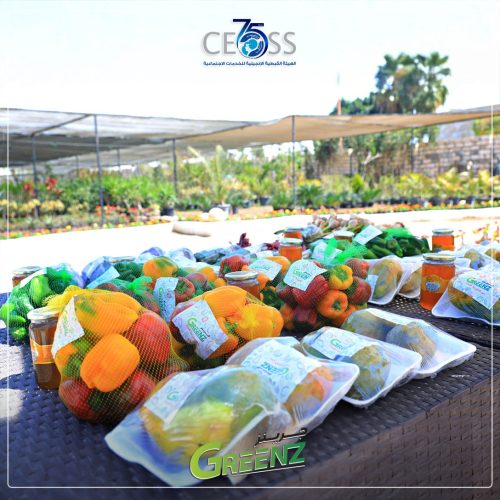
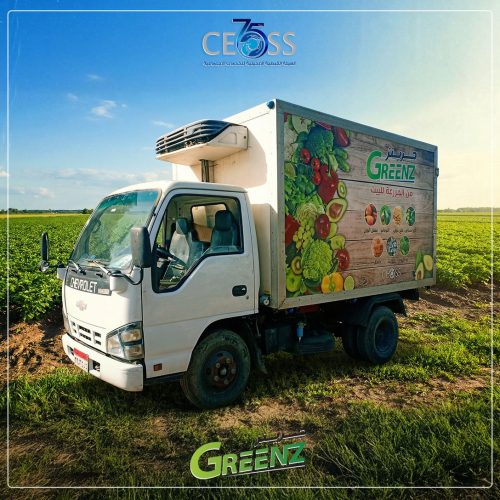
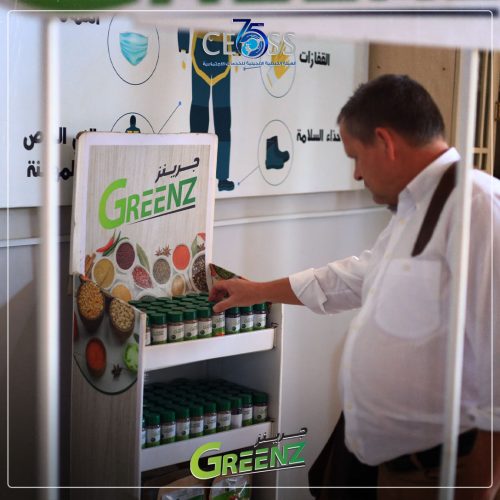
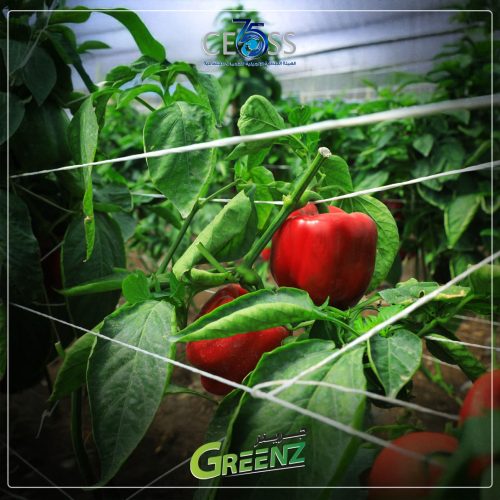
In 2022, Greenz was established as a direct extension of the Agricultural Projects Unit launched by the Organization in the early 2010s. Greenz aims to serve small-scale farmers, maximize economic returns, support exports, and market fruits, vegetables, and spices under a unified brand and identity for products from both the nursery and Ismailia Farm.
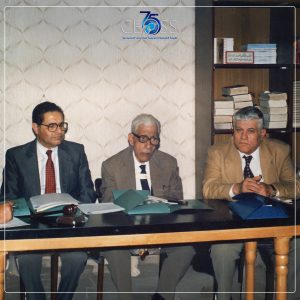
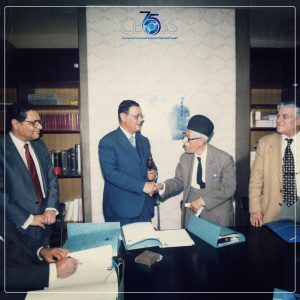
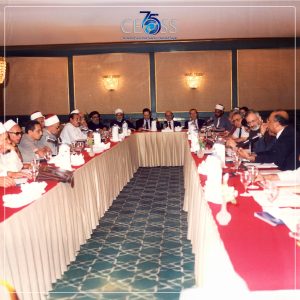
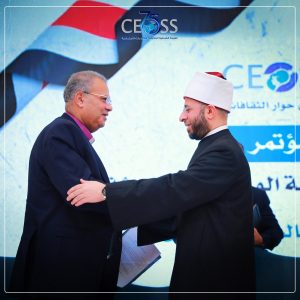
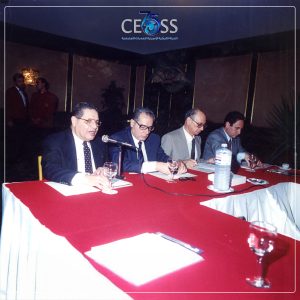
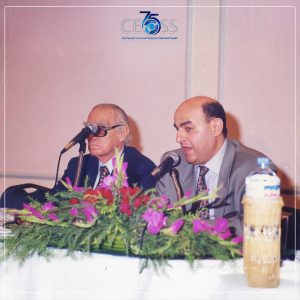
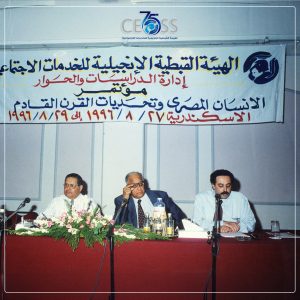
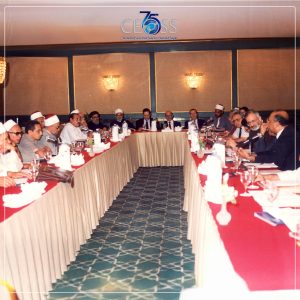
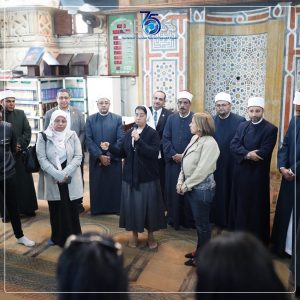
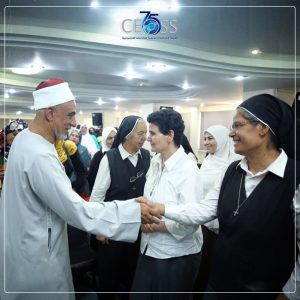
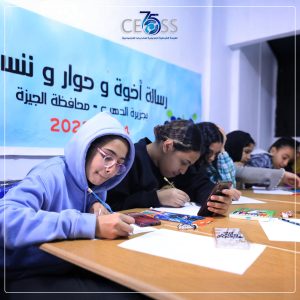
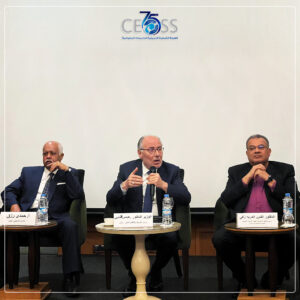
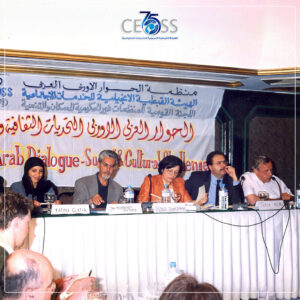
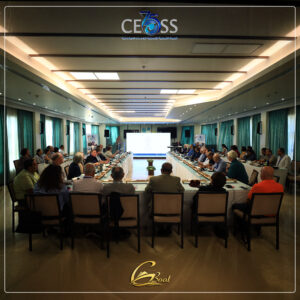
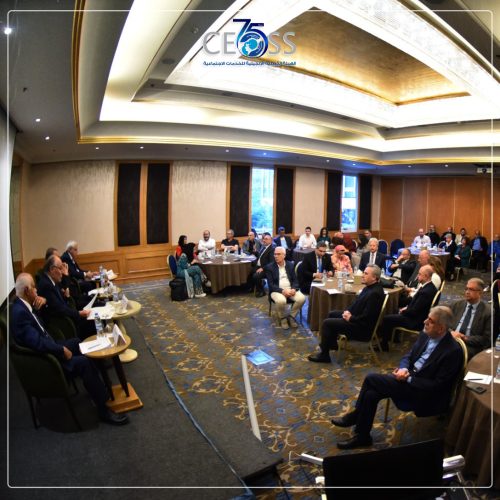
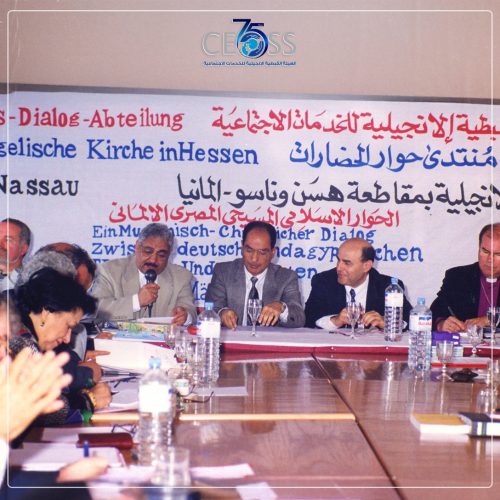
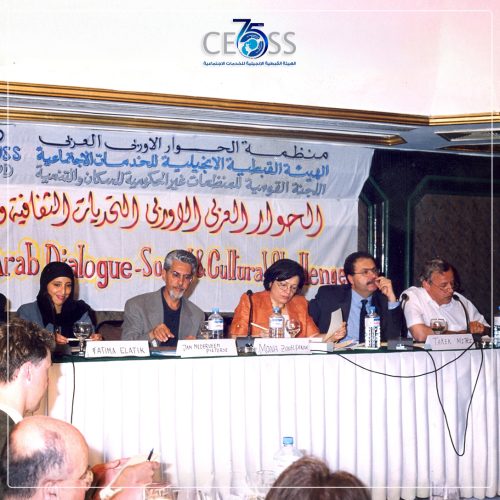
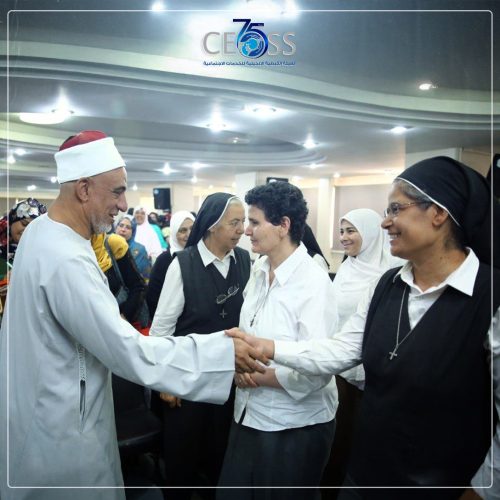
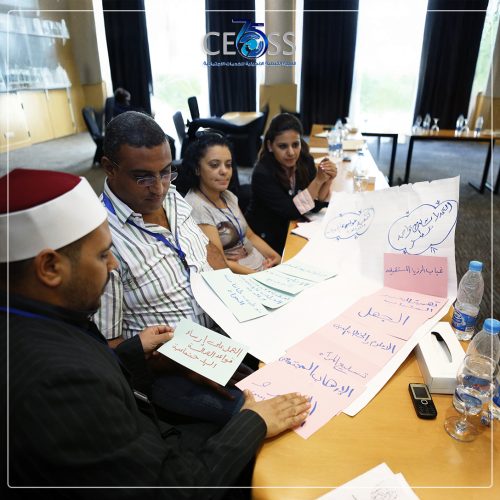
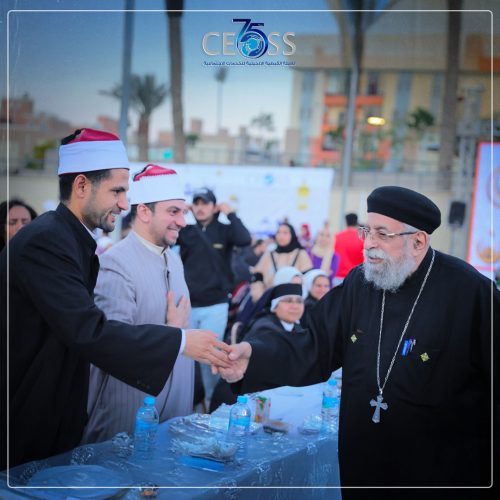
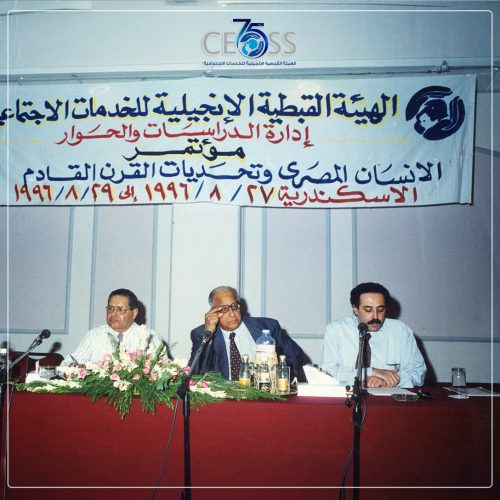
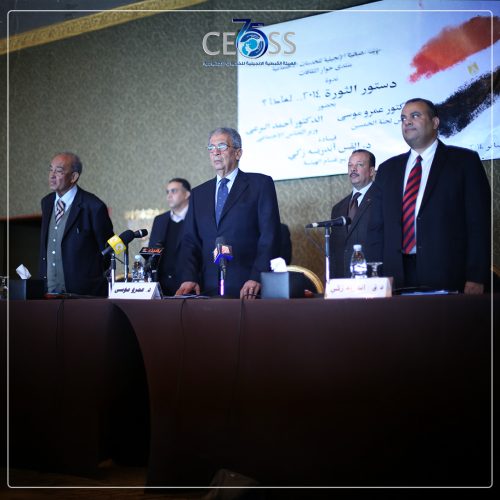
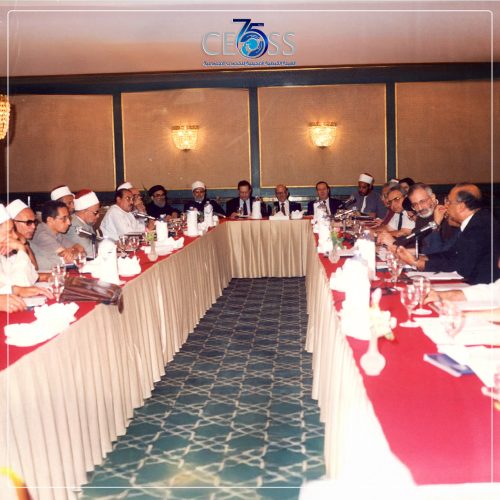
In 1992, the Cultural Dialogue Forum was established as part of the Coptic Evangelical Organization for Social Services, with the aim of addressing issues directly related to cultural development. These include citizenship, peacebuilding, tolerance, acceptance of others, mutual respect, peaceful coexistence, combating hate speech, the role of media during crises, and the renewal of religious discourse.
This is achieved through the organization of multiple dialogue sessions and forums that bring together diverse segments of society at both the local and international levels.
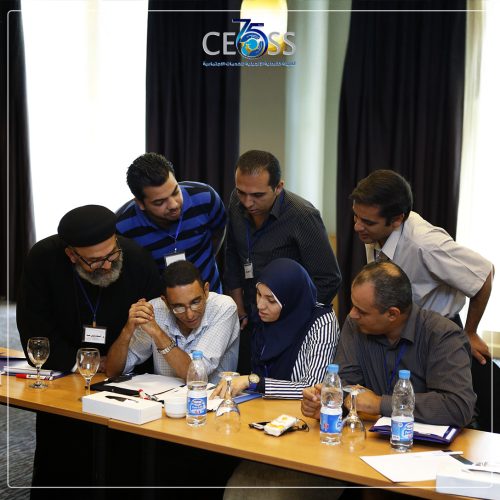
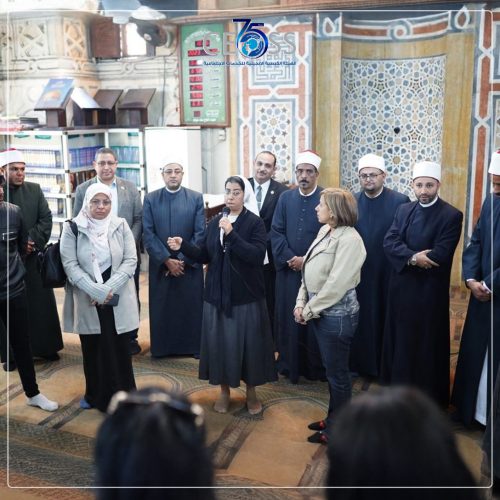
The Cultural Dialogue Forum has focused on building the capacities of mid-level leaders who have a strong influence within society, including thought leaders, media professionals, academics, university students, young creatives, representatives of civil society organizations and governmental institutions, as well as religious leaders. In 2019, female preachers and church servants also joined the Forum’s activities.
The Forum’s work has expanded to cover nine governorates: Cairo, Alexandria, Beni Suef, Minya, Assiut, Qena, Sohag, Luxor, and Aswan.
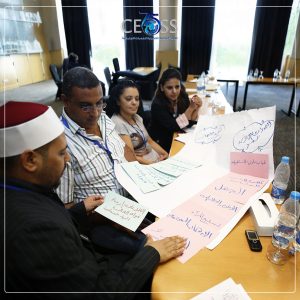
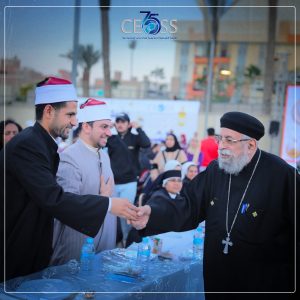
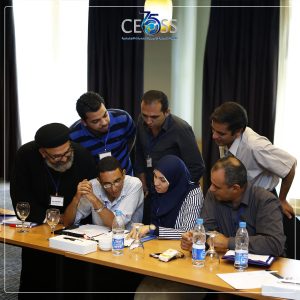
The objective of these meetings and workshops—bringing together individuals from diverse backgrounds—is to foster mutual understanding, support coexistence between Muslims and Christians, build skills for promoting a culture of dialogue and pluralism, and design grassroots initiatives that reflect the Forum’s principles. These efforts contribute to strengthening social cohesion within Egyptian society.
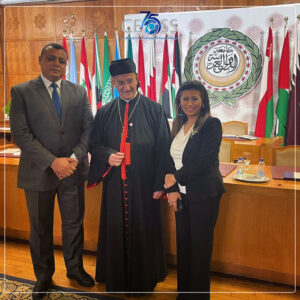
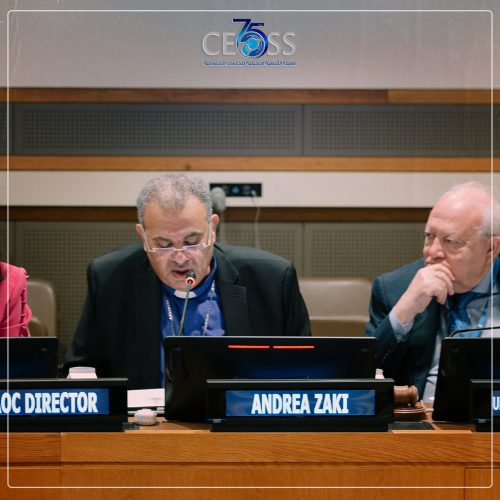
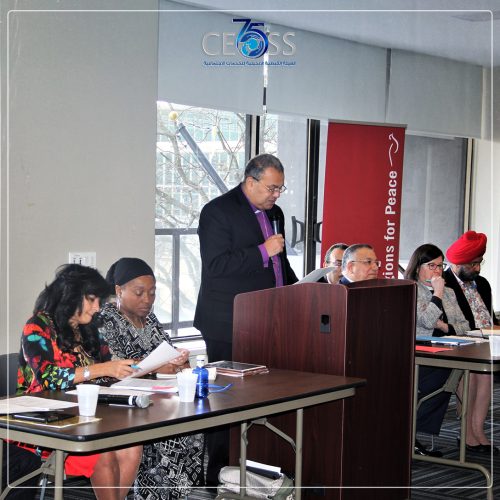
The work of the Cultural Dialogue Forum expanded from the local level to the international arena, in recognition of the importance of building bridges between institutions and diverse communities, advocating for national issues, and countering attempts to distort the image and reality of Egyptian society. The Forum also seeks to highlight the efforts of large groups of moderate leaders who reject violence and hate, and to build mutual trust in order to correct misconceptions and false stereotypes held by different parties about one another.
This has been achieved through the following dialogue frameworks:
Arab–Arab Dialogue
Arab–European Dialogue
Egyptian–American Dialogue
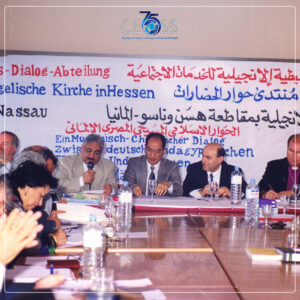
Egyptian–German Dialogue
Egyptian–Danish Dialogue
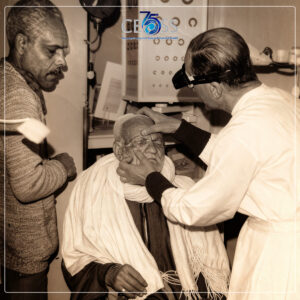
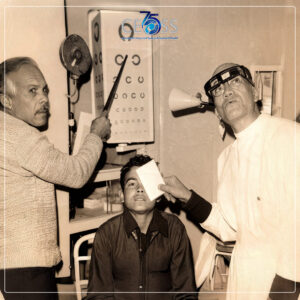
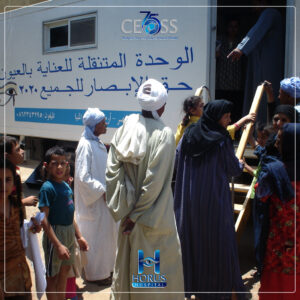
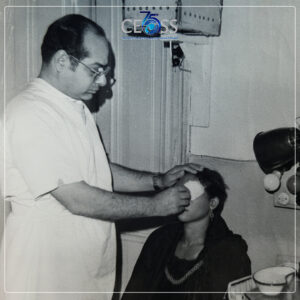
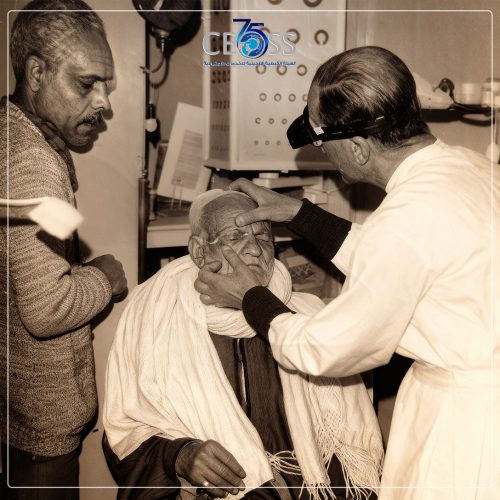
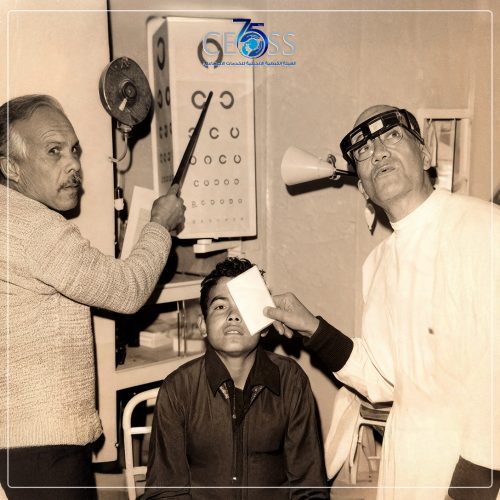
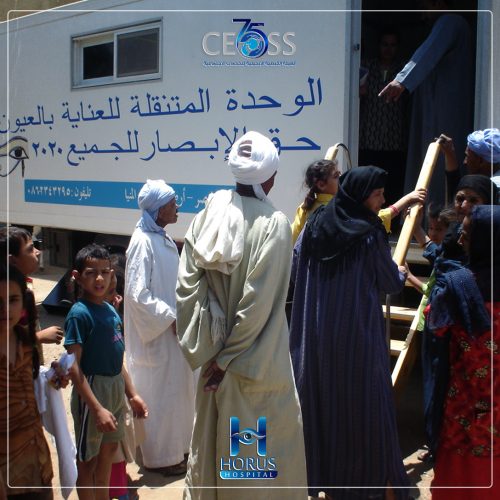
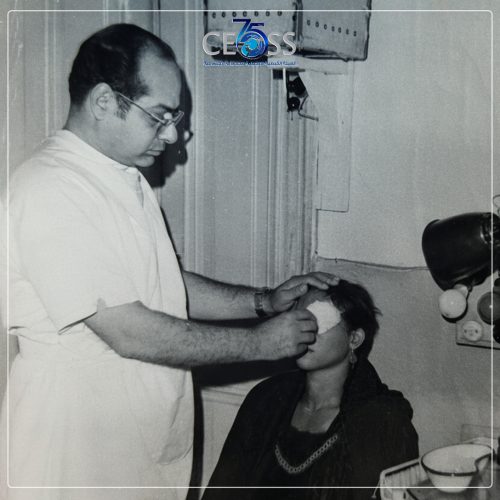
communities. As waiting lists grew for mobile ophthalmology caravans under the “Vision for All” program, plans were initiated to establish a permanent, socially driven investment unit that would be self-sustaining while serving Upper Egypt.
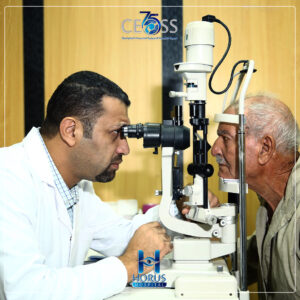
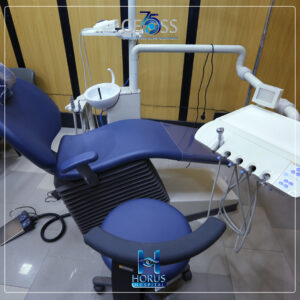
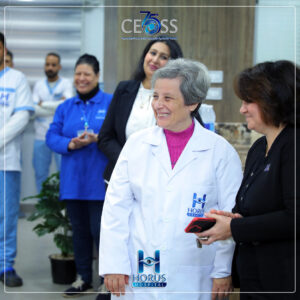
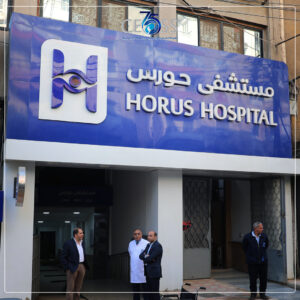
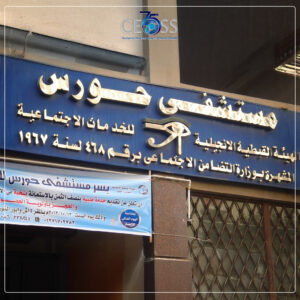
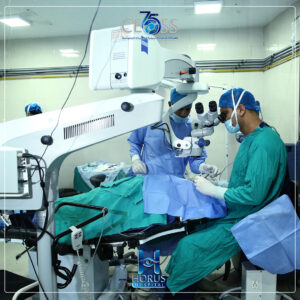
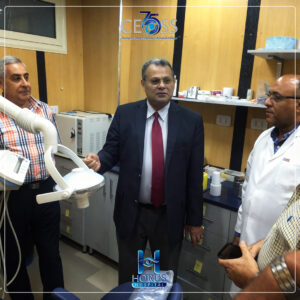
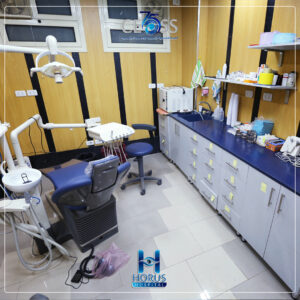
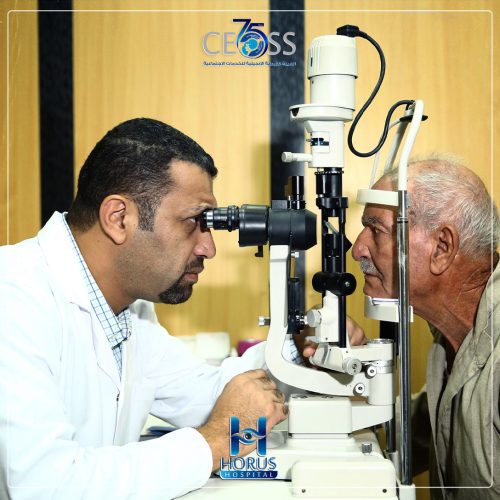
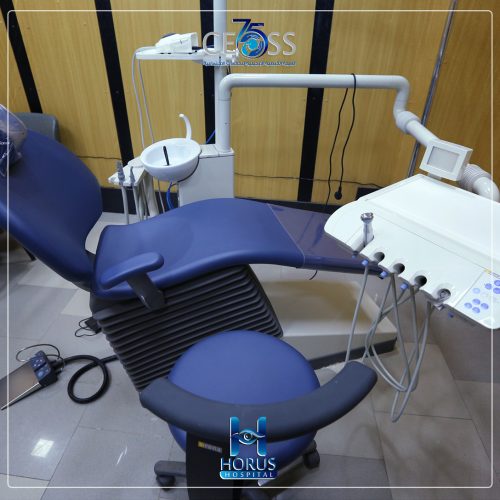
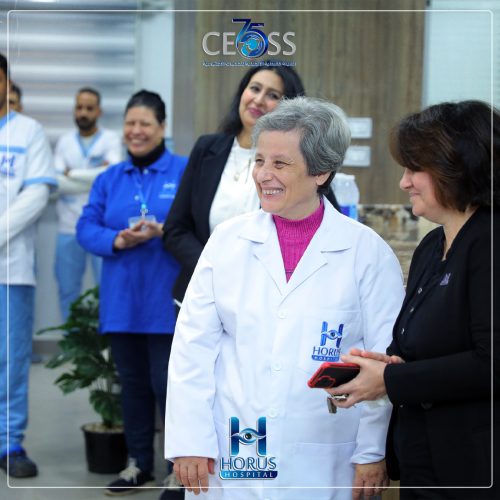
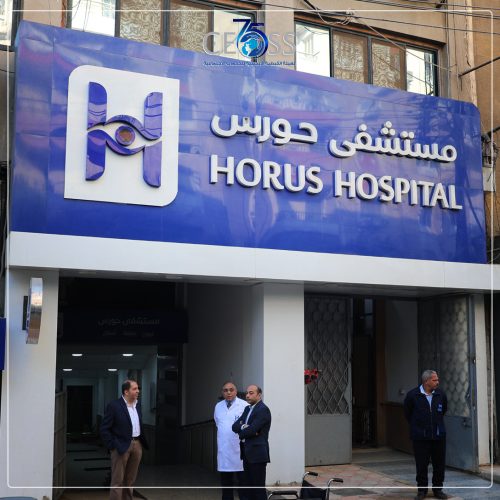
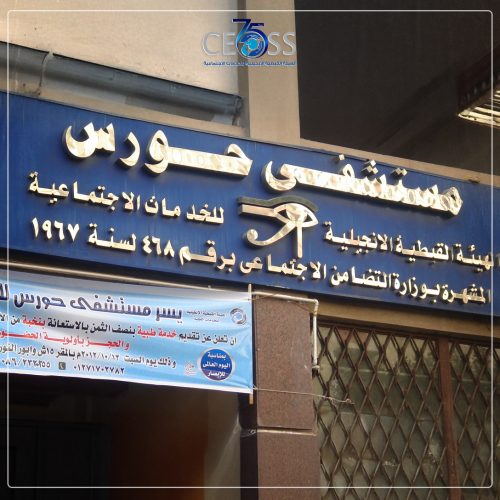
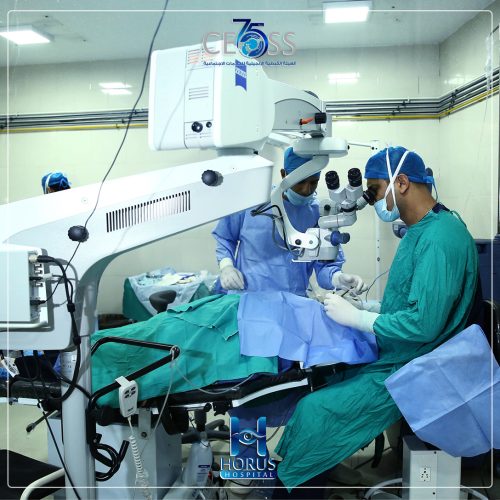
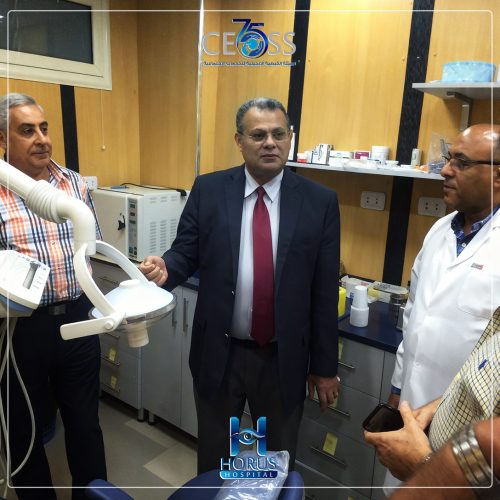
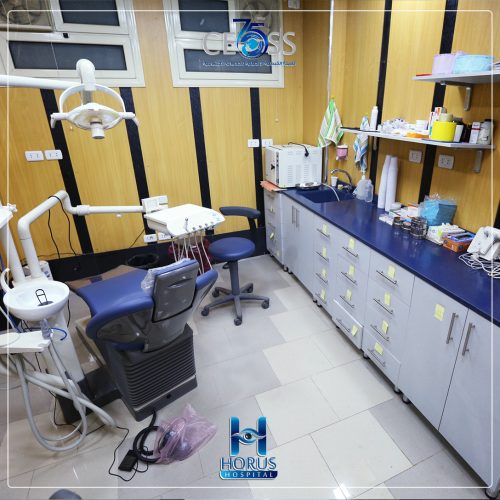
In 2010, Horus Hospital was inaugurated in Minya to provide medical eye care services, in addition to an internal medicine clinic. Over the past years, the Hospital’s services have expanded to include a dental clinic, along with the delivery of medical caravans to the most underserved areas through mobile clinics.
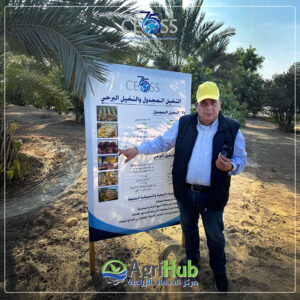
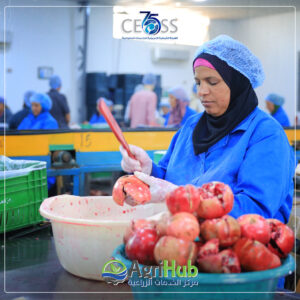
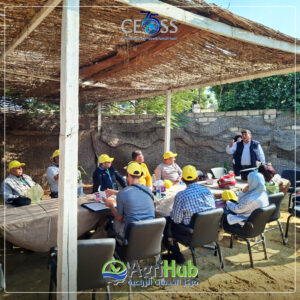
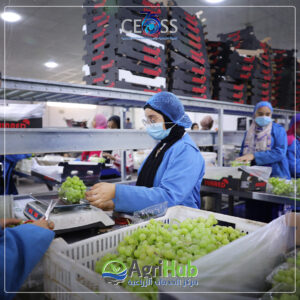
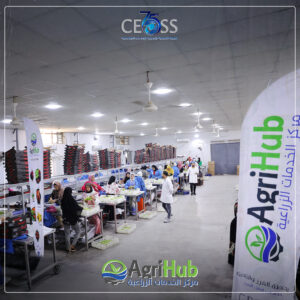
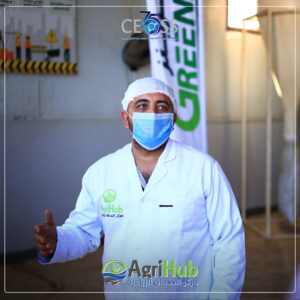
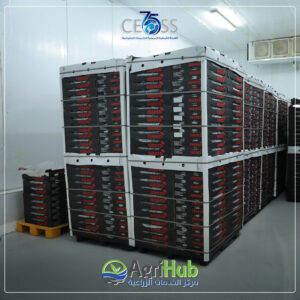
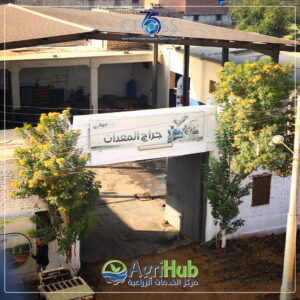
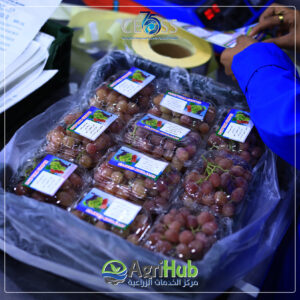
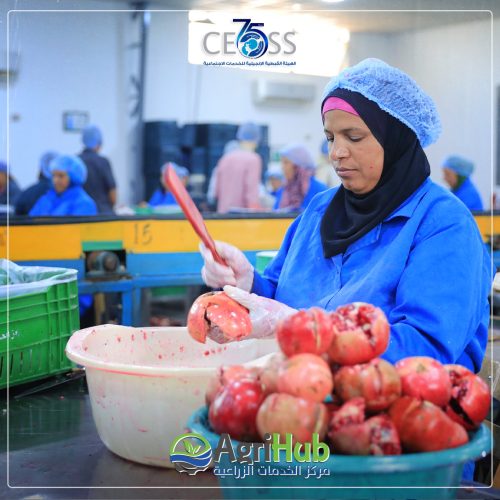
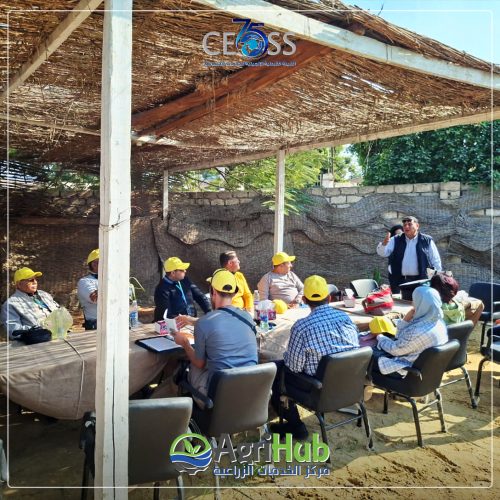
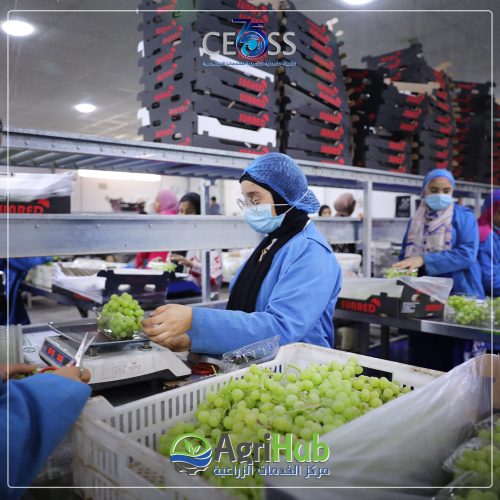
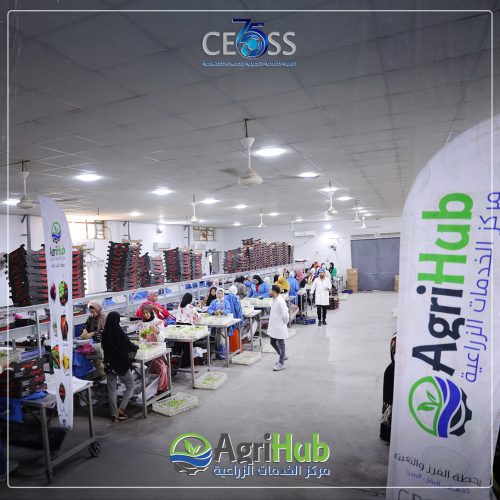
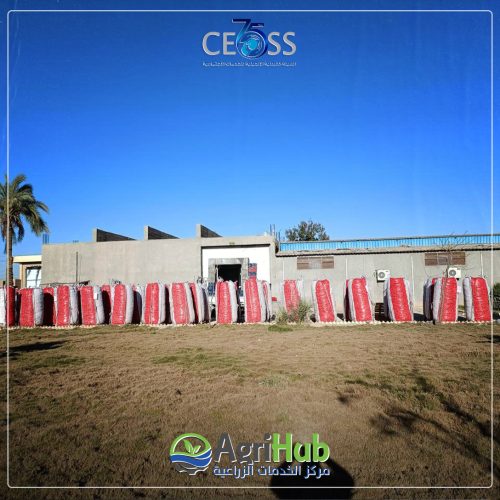
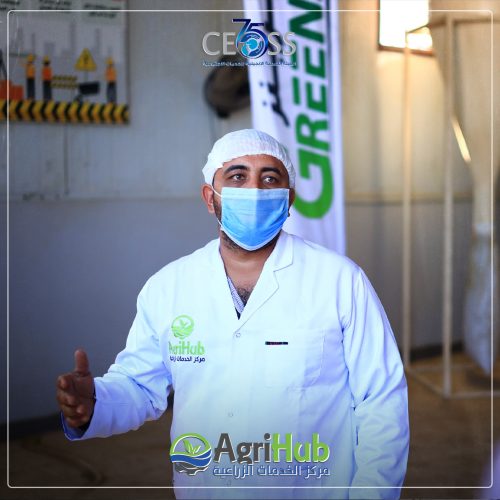
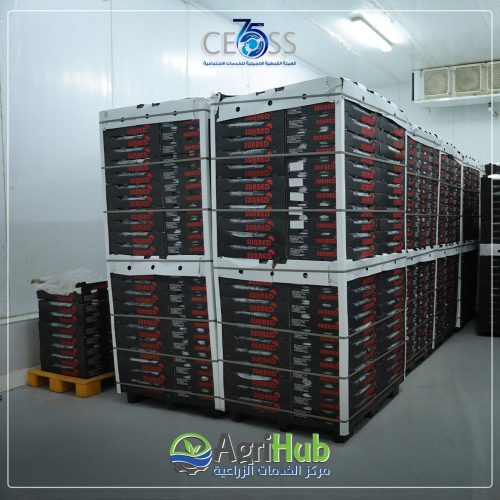
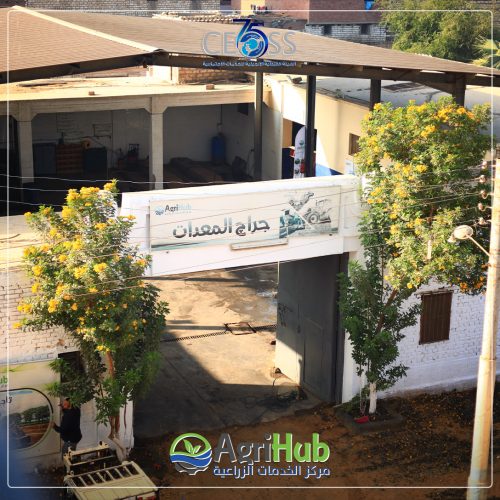
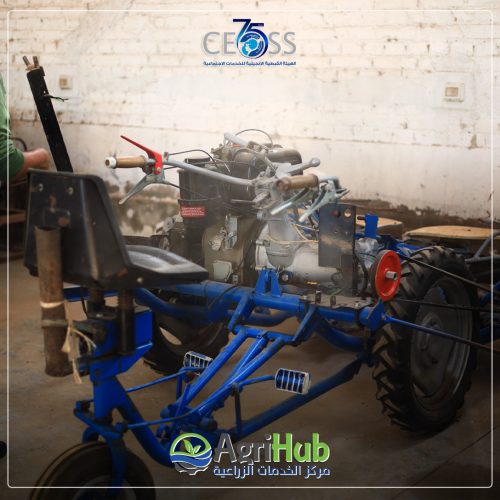
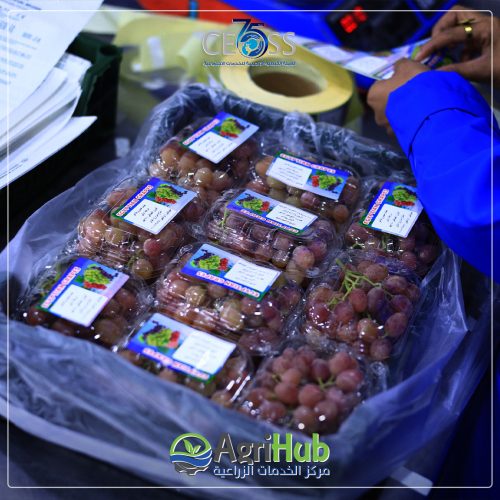
In 2019, the Agricultural Services Center “AgriHub” was established to provide economic services to small-scale farmers by marketing their products in local and international markets, improving product quality, reducing post-harvest losses, lowering production costs, and enhancing productivity across all stages—from soil preparation to harvest.
Over the past years, AgriHub has evolved into a comprehensive agricultural services center serving thousands of farmers in Upper Egypt, with a continued commitment to quality, inclusivity, and the empowerment of small-scale farmers.
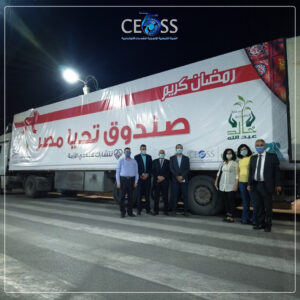
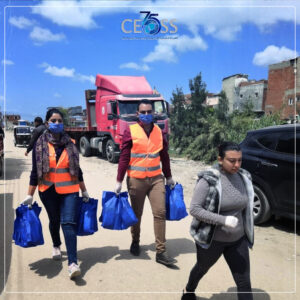
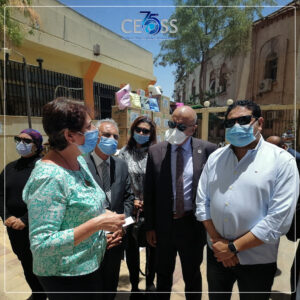
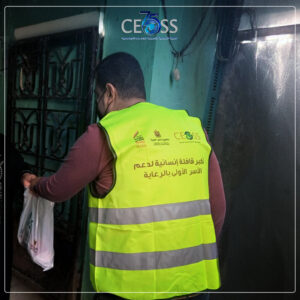
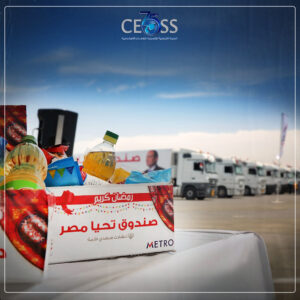
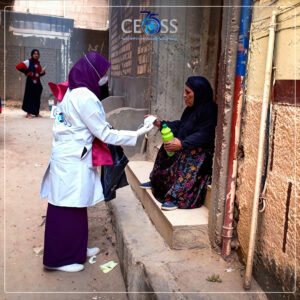
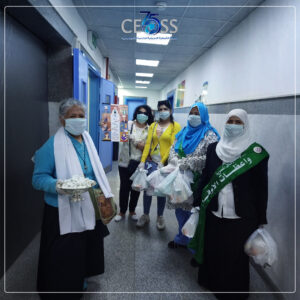
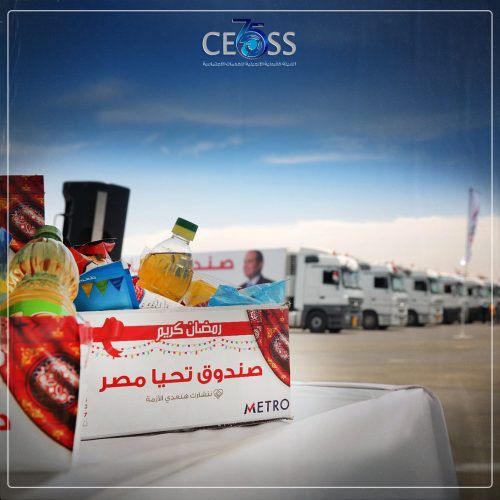
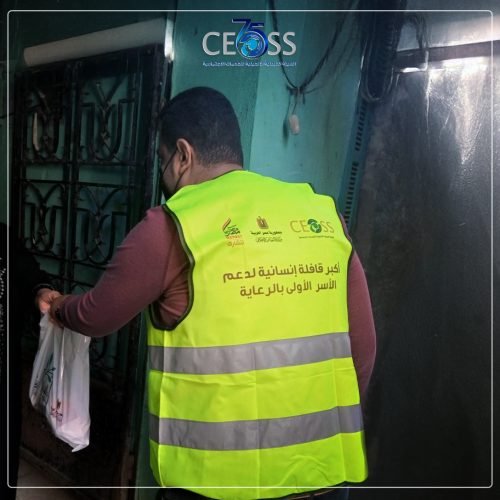
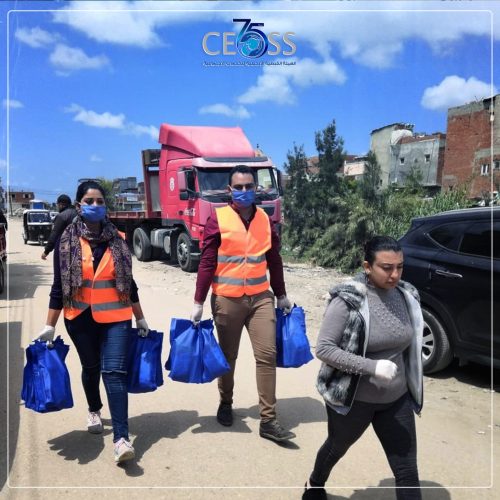
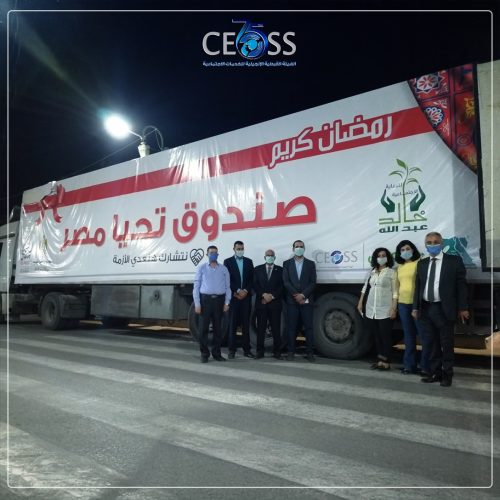
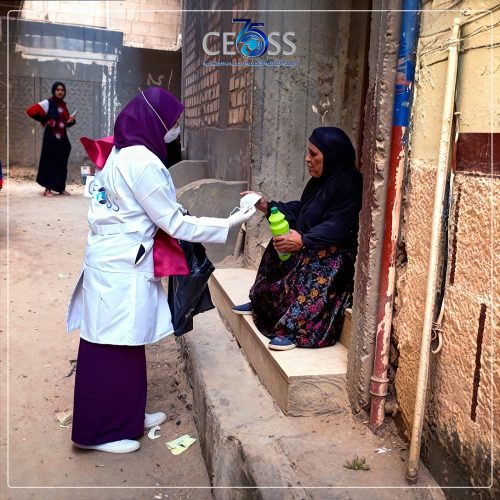
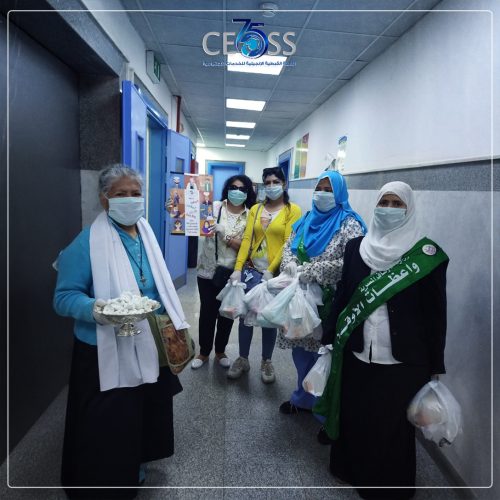
In 2020, during the COVID-19 pandemic, the Organization’s programs did not come to a halt. Instead, they continued with full adherence to preventive measures while supporting families affected by the crisis through the distribution of food supplies and protective equipment, in cooperation with the Ministries of Health and Social Solidarity and the “Tahya Misr” Fund.
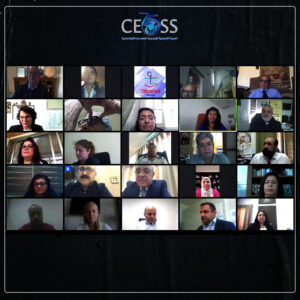
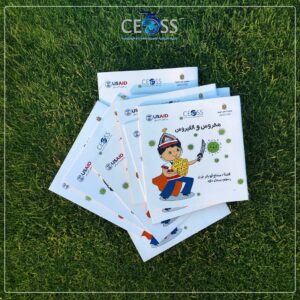
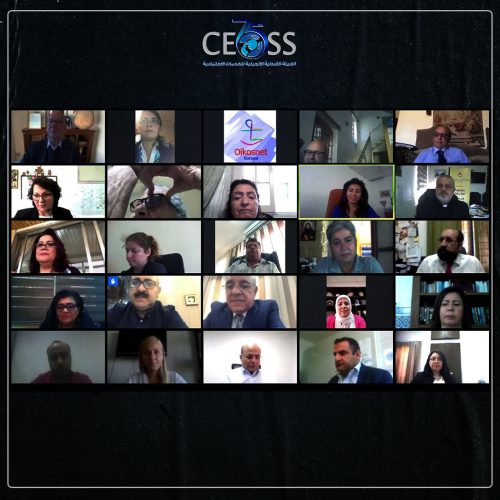
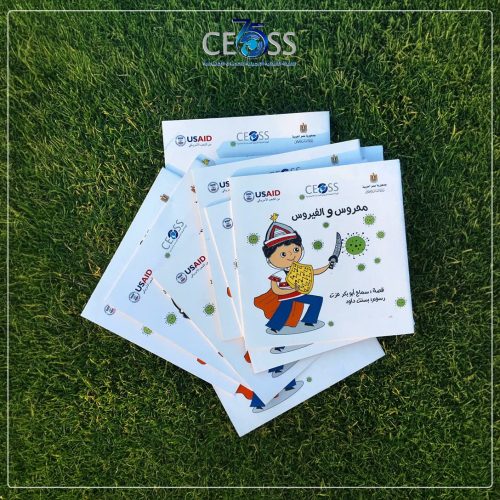
The Cultural Dialogue Forum also continued its activities online via Zoom, producing awareness and educational materials to promote prevention measures and raise awareness about the risks of COVID-19.
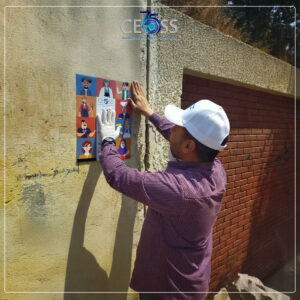
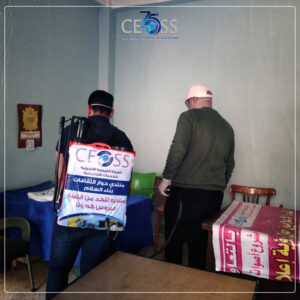
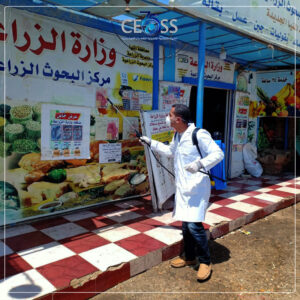
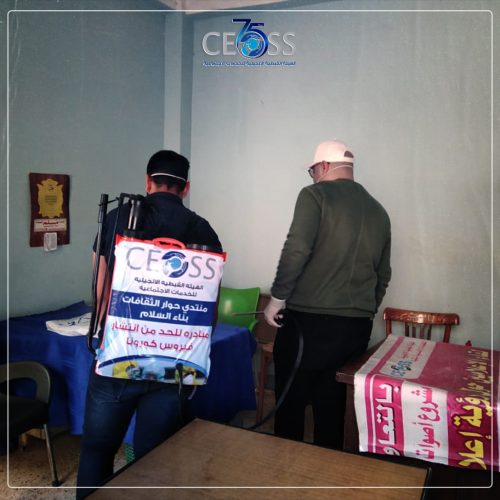
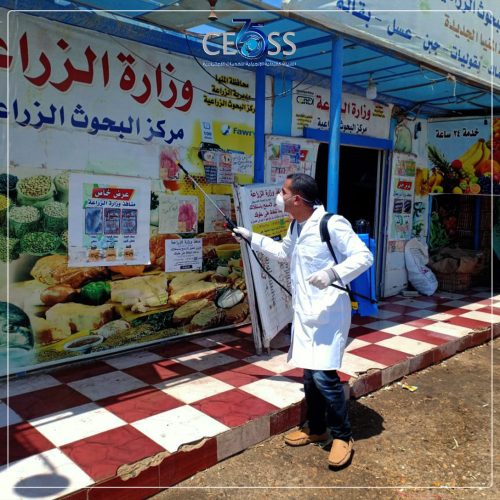
In addition, other field initiatives were implemented through the Local Development Unit and the Cultural Dialogue Forum, providing a package of preventive interventions to protect vulnerable families from the risk of infection, along with food assistance to mitigate the social and economic impacts of the pandemic on affected communities.
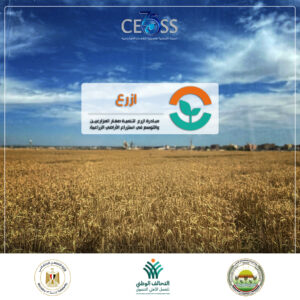
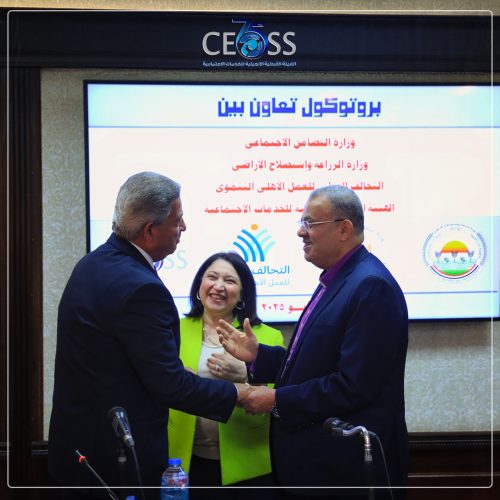
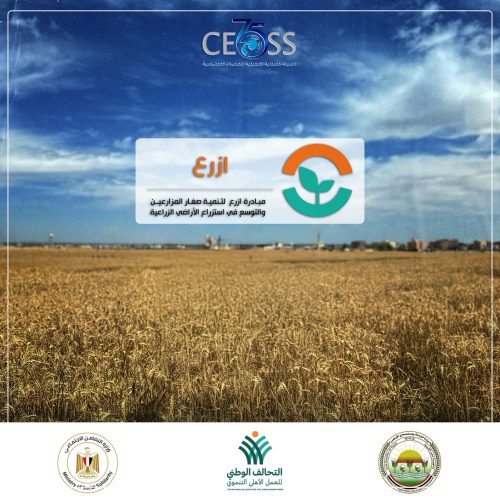
In 2022, the Coptic Evangelical Organization for Social Services was selected as a member of the National Alliance for Developmental Civil Action. Through this platform, the “Ezraa” Initiative was launched with the aim of improving the income of small-scale farmers, increasing the production of wheat and other strategic crops to support food security, promoting water conservation through modern irrigation methods, and expanding cultivated land across 16 governorates—under the auspices of the Ministry of Social Solidarity and in cooperation with the Ministry of Agriculture and Land Reclamation.
In 2024, the Coptic Evangelical Organization was elected to the Board of Trustees of the National Alliance for Developmental Civil Action by Presidential Decree No. 149/2024.
Climate change is no longer a distant concern; it is a real crisis affecting all aspects of life—from rising sea levels and water scarcity to threats to food security and public health.
For more than six decades, the Coptic Evangelical Organization has been working at the heart of agricultural and environmental sectors, leading climate-just interventions that combine awareness-raising, technical support for small-scale farmers, the empowerment of women, youth, and persons with disabilities, as well as initiatives promoting green faith.
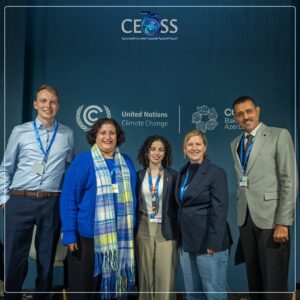
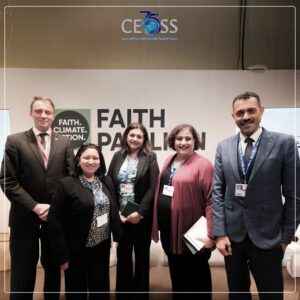
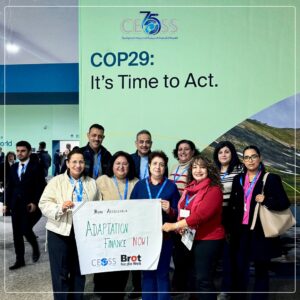
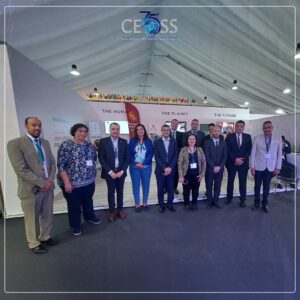
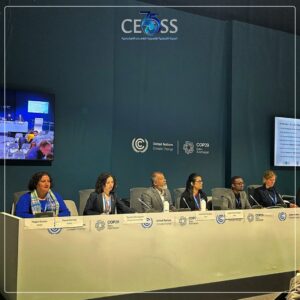
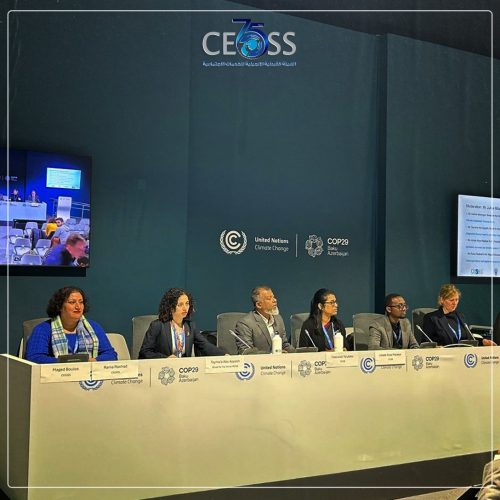
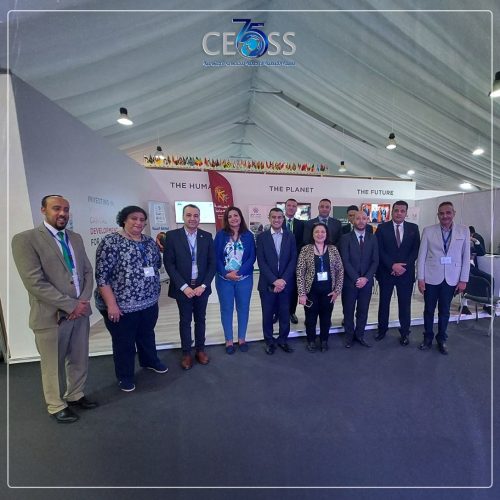
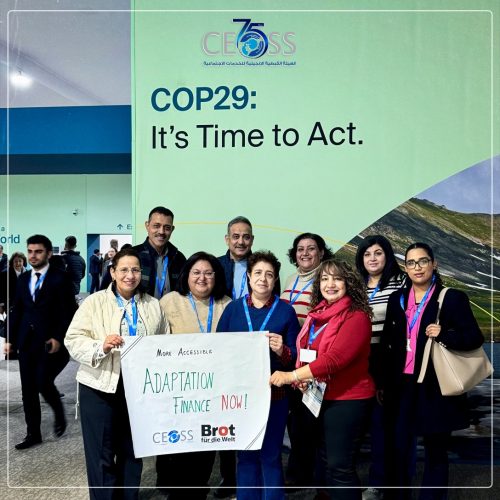
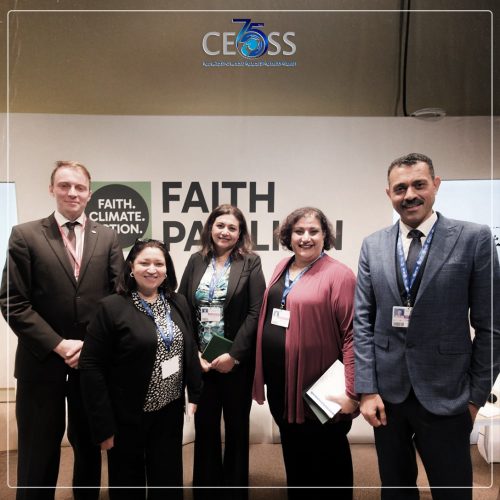
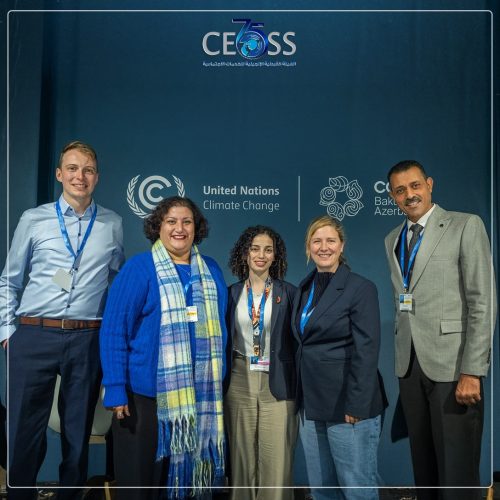
The Organization’s international journey began at COP27 in Sharm El-Sheikh (2022), followed by participation in COP28 in Dubai (2023), and continued through COP29 in Baku (2024).
The Organization received its accreditation with the United Nations Framework Convention on Climate Change (UNFCCC) at the start of COP28, with COP29 marking its first participation as an officially accredited observer organization.
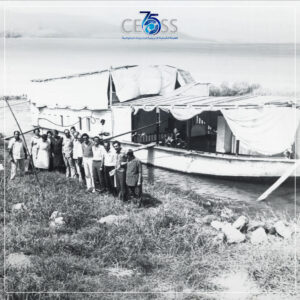
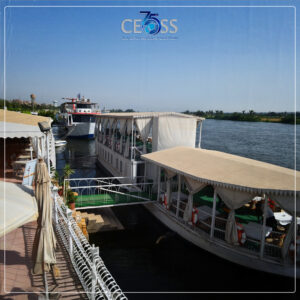
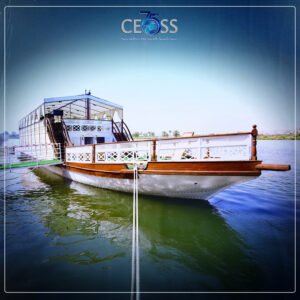
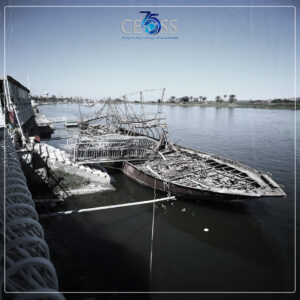
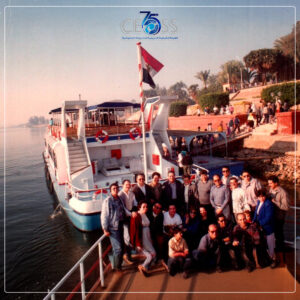
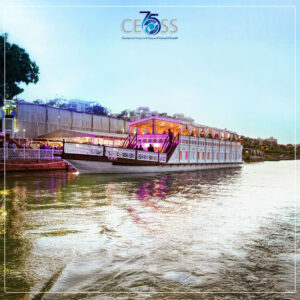
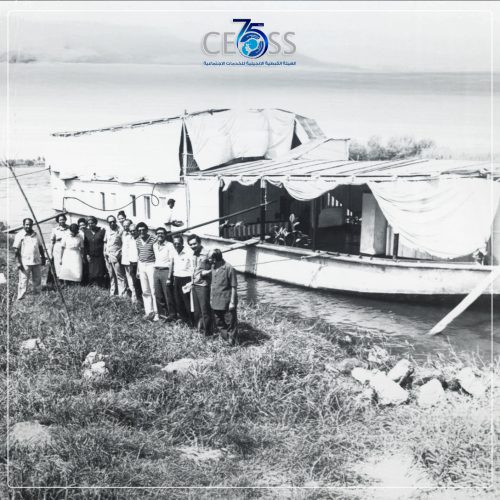
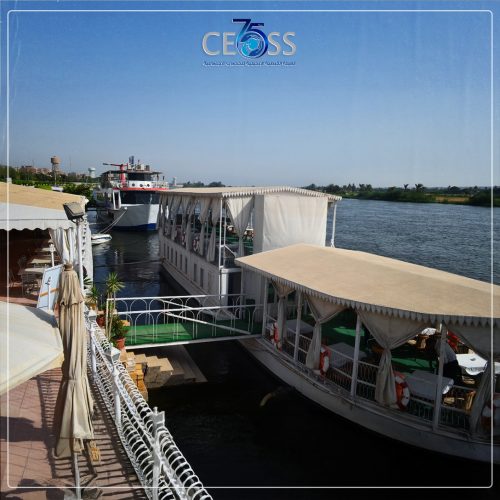
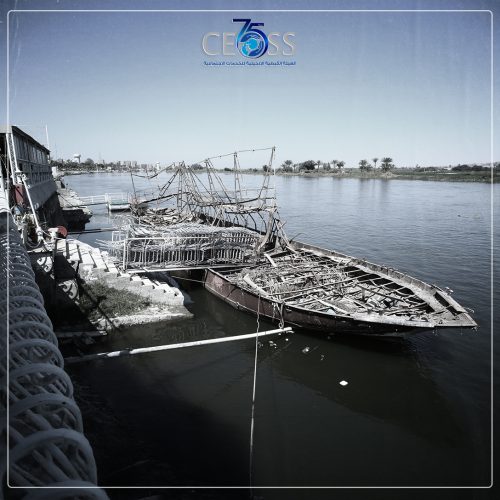
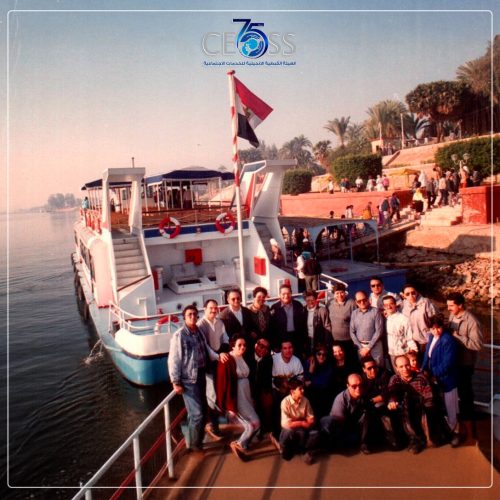
The story of the “Dahabiya” began in the 1950s, when it served as a means of transportation between villages for holding workshops and training sessions organized by the Coptic Evangelical Organization. It also functioned as accommodation for staff members during that period. Its use for transportation continued until it was permanently stationed along the Minya Nile Corniche in 1970.
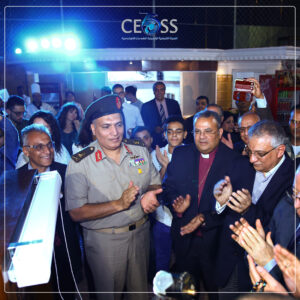
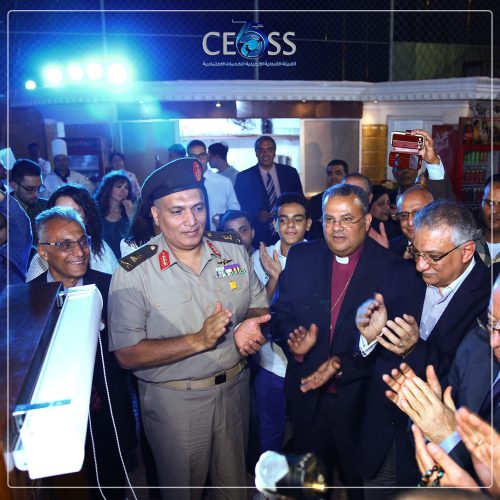
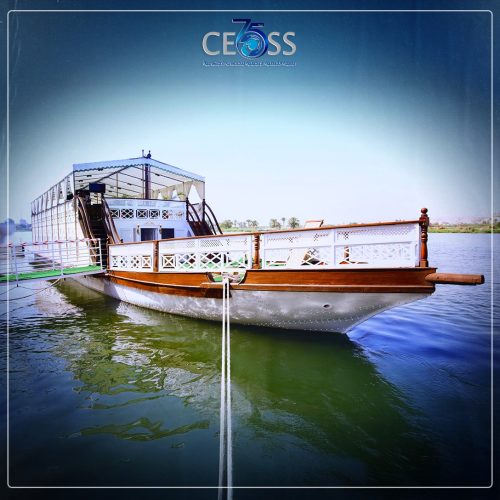
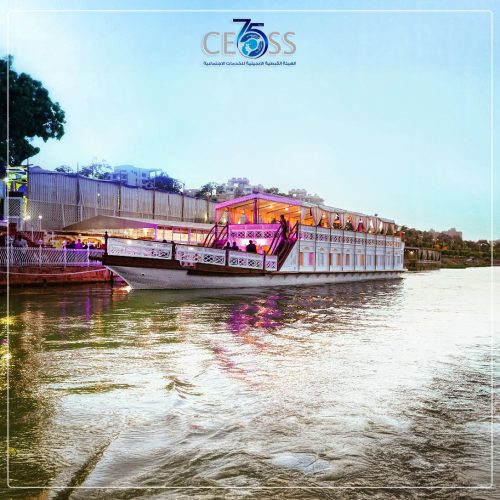
In August 2013, the boat was completely burned by extremist groups, rendering it beyond restoration. Following the decision of President Abdel Fattah El-Sisi to rehabilitate and restore what had been damaged, the Engineering Authority of the Armed Forces replaced it with a new vessel named “New Witness.”
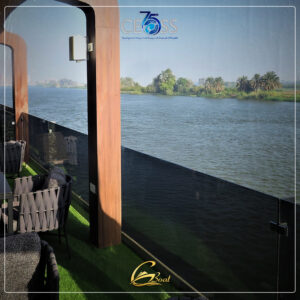
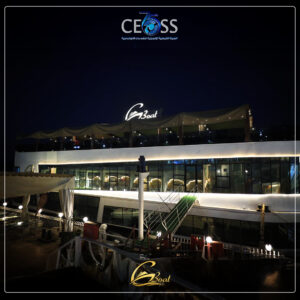
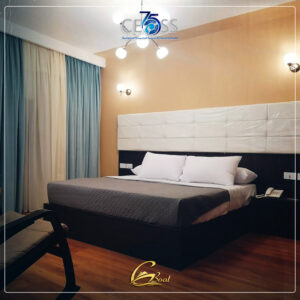
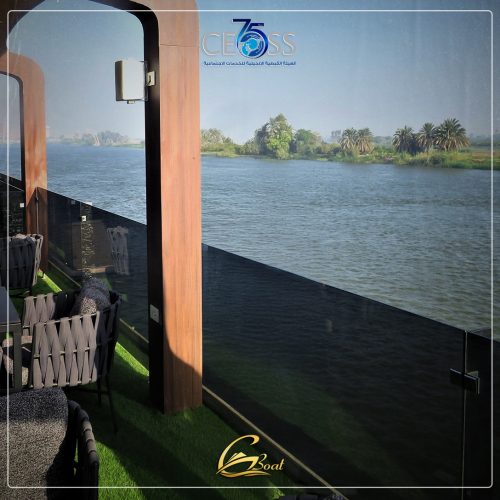
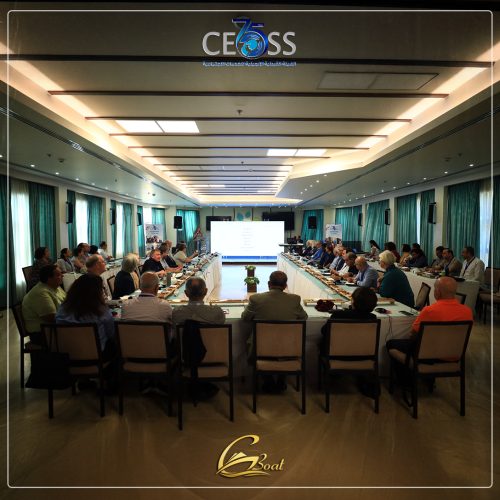
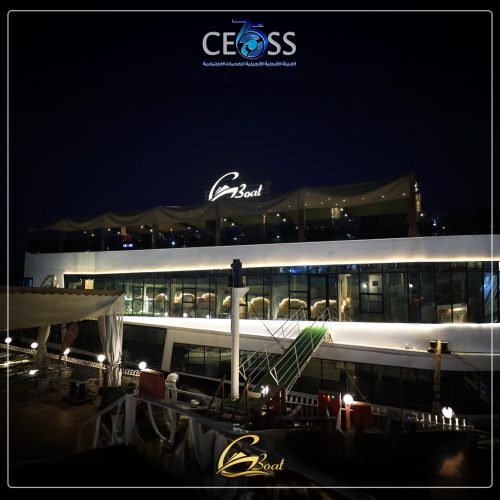
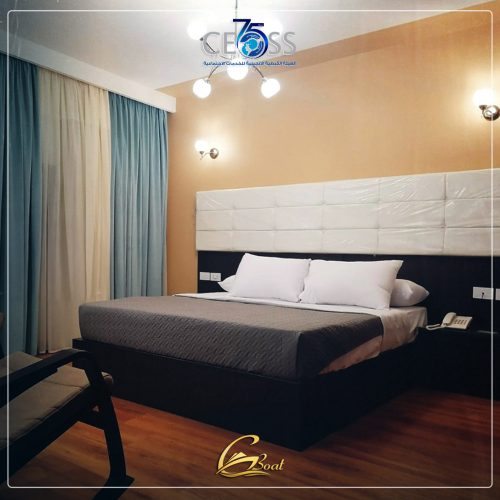
In 2021, it was later replaced by a larger vessel, the “C-Boat,” equipped to accommodate a greater number of visitors through expanded halls and overnight cabins—allowing the boat to continue its role as a hub for service and development across generations.