The Coptic Evangelical Organization Continues Its Work in National Initiatives:
The Fourth Phase of “Ezraa” Continues to Enhance Food Security and Wheat Self-Sufficiency
Dr. Rev. Andrea Zaki: Investing in the Egyptian Farmer Is an Investment in the Nation’s Stability and Future
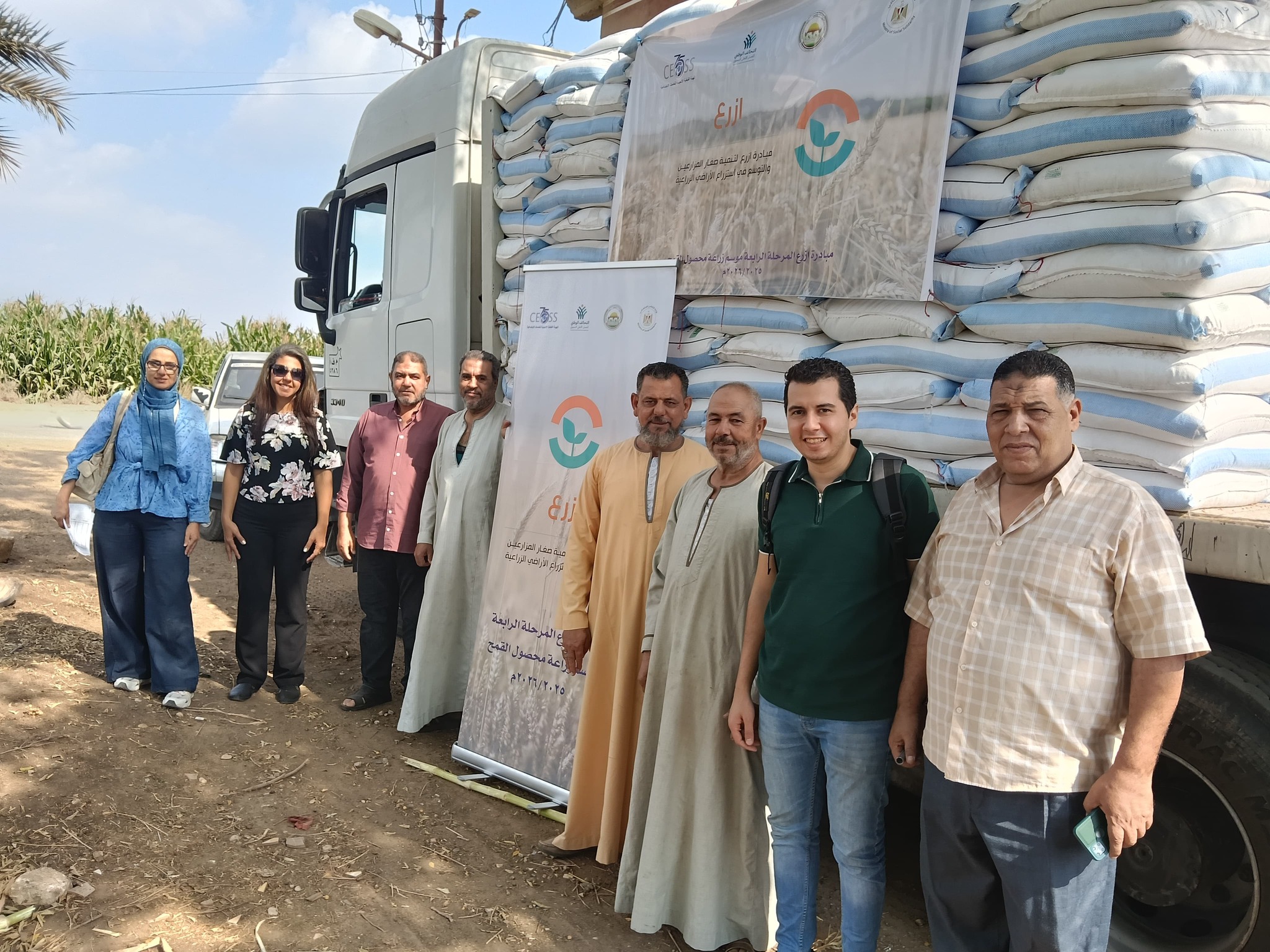
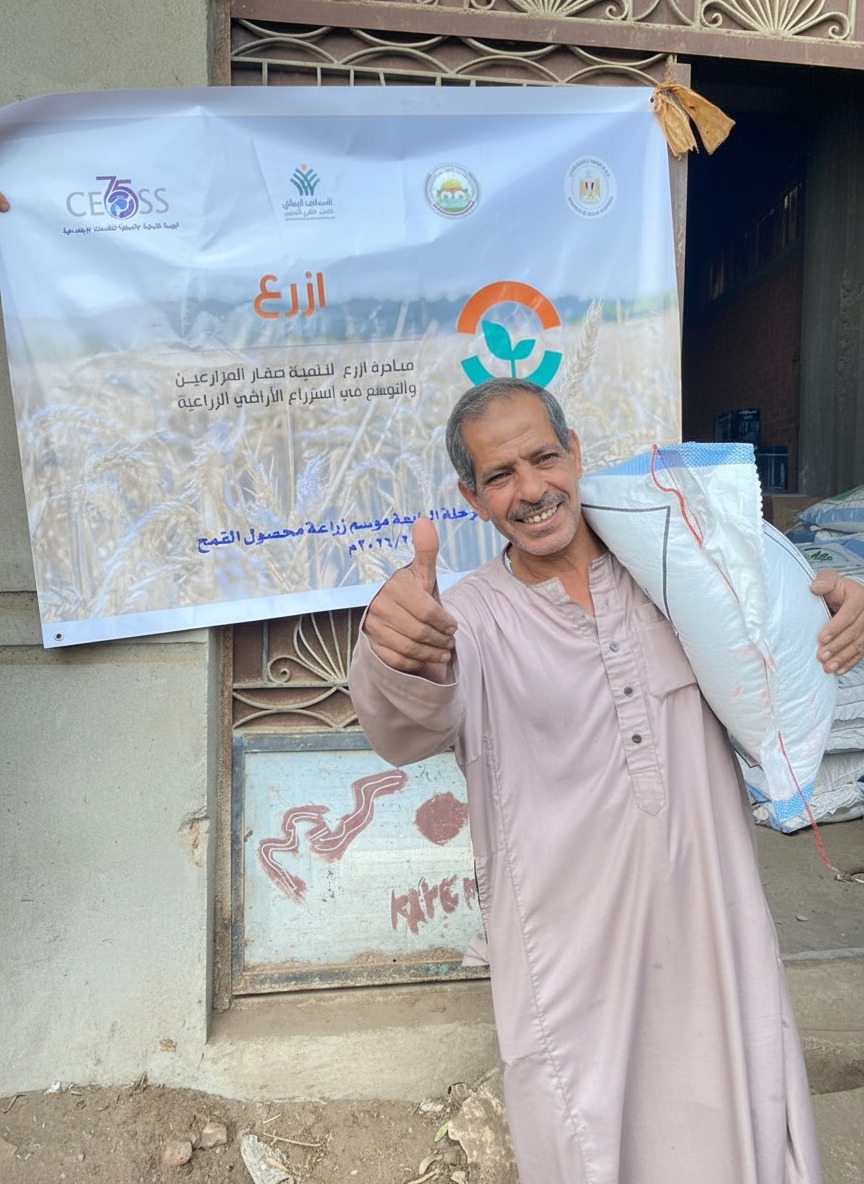
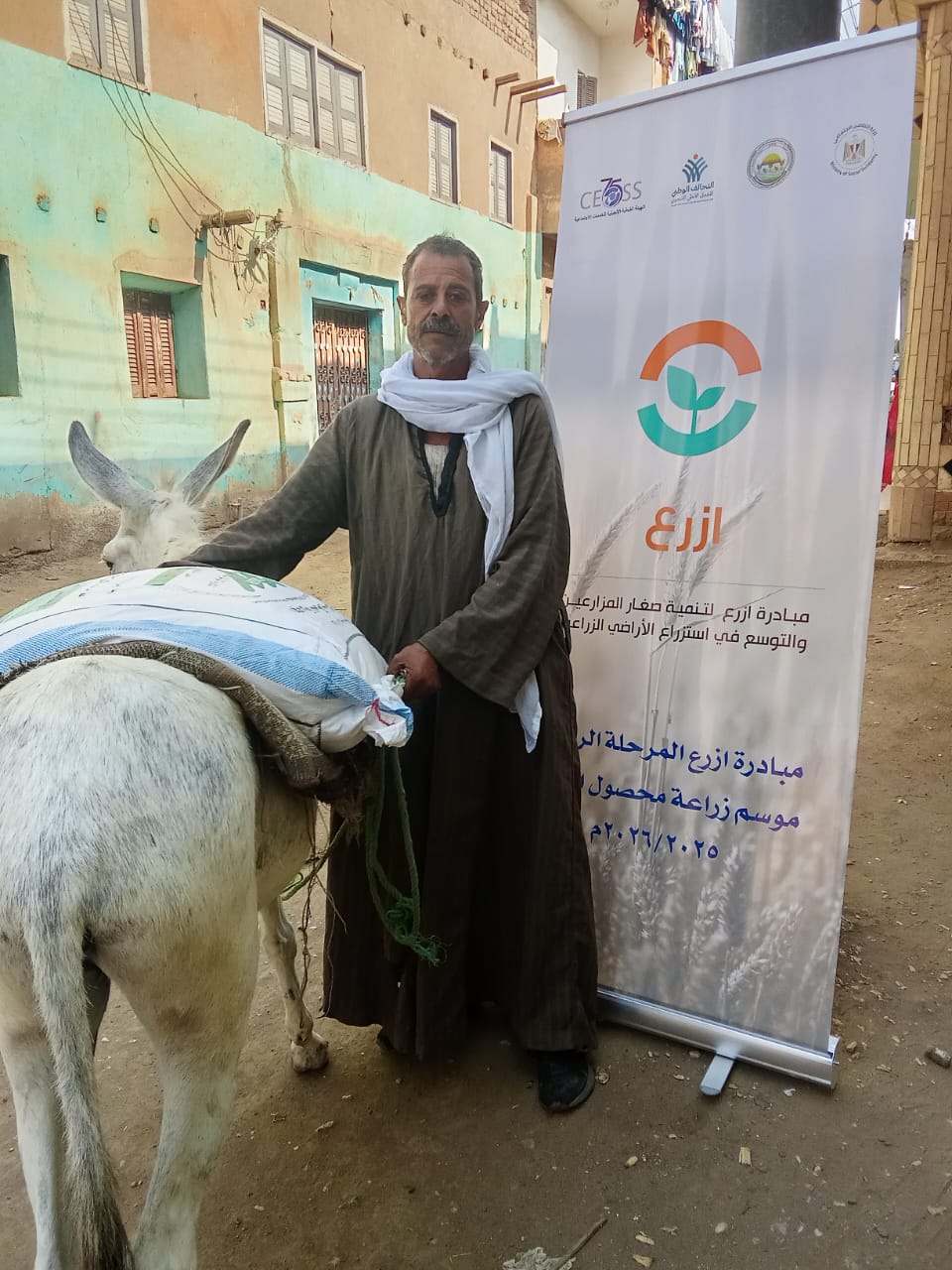
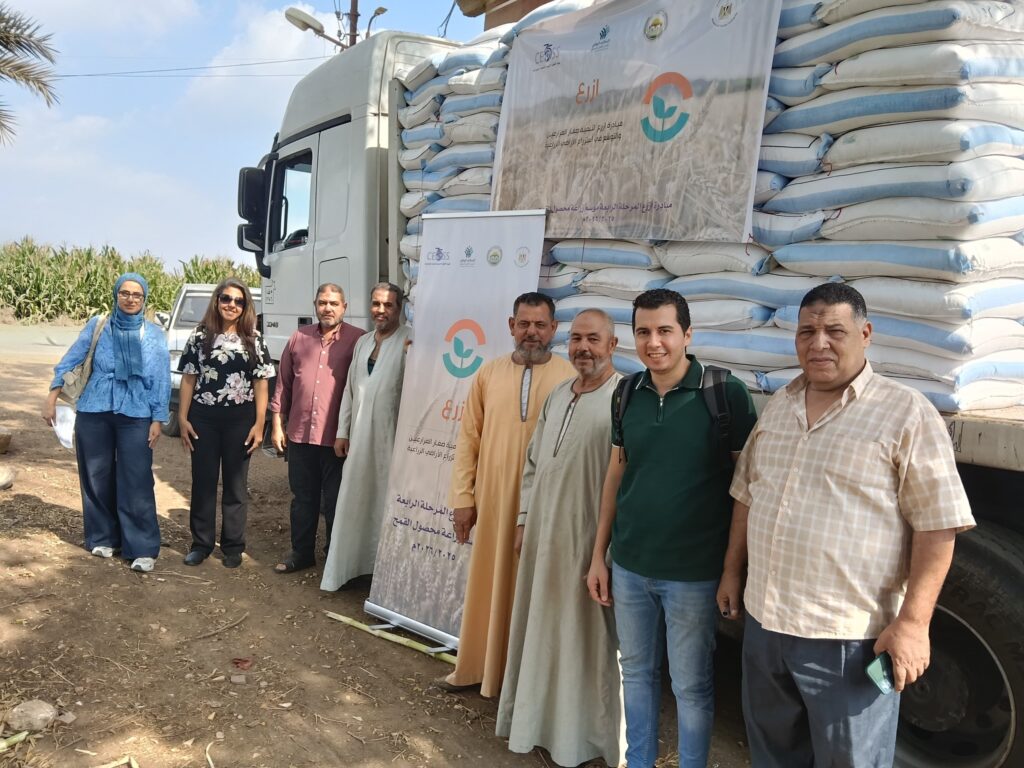
The Coptic Evangelical Organization for Social Services has confirmed the continuation of the fourth phase of the “Ezraa” initiative for the 2025/2026 wheat cultivation season, as a strategic step that underscores the organization’s role in supporting national agriculture, empowering smallholder farmers, and strengthening social and economic stability, within a national vision based on food security and sustainable development.
The initiative is being implemented in cooperation with the Ministry of Social Solidarity, the National Alliance for Civil Development Work, and the Ministry of Agriculture and Land Reclamation, to provide facilitation and technical support to farmers in 16 governorates: Beheira, Qalyubia, Dakahlia, Giza, Menoufia, Sharqia, Ismailia, Fayoum, Beni Suef, Minya, Assiut, Sohag, Qena, Luxor, Aswan, and New Valley. This contributes to promoting social justice and supporting the rural economy.
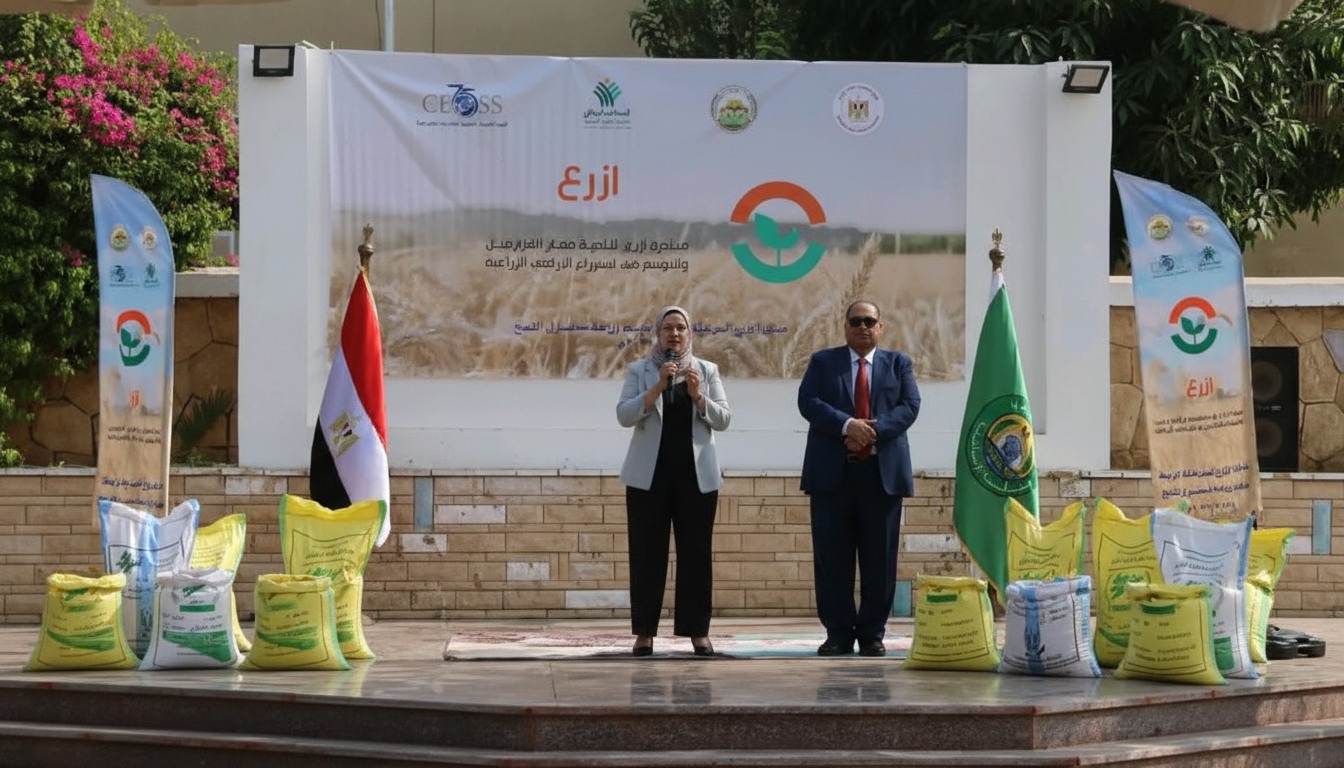
Dr. Rev. Andrea Zaki, Head of the Evangelical Community in Egypt and President of the Coptic Evangelical Organization for Social Services, stated:
“The continuation of the fourth phase of the Ezraa initiative affirms the importance of strategic development projects that enhance food security and self-sufficiency, and support farmers as essential partners in building the nation.”
He added: “We believe that agriculture represents a pillar of national security and economic and social development, and that investing in the Egyptian farmer is an investment in the stability of the country and the future of its generations.”
He also noted: “The organization works in full cooperation with state institutions and the National Alliance for Civil Development Work to expand the scope of the initiative, contributing to increasing local wheat production, strengthening national capacity to confront economic and climate challenges, and promoting social justice by supporting rural communities and empowering smallholder farmers.”
For his part, Mr. Maged Boulos, Director of the “Ezraa” Initiative at the organization, said:
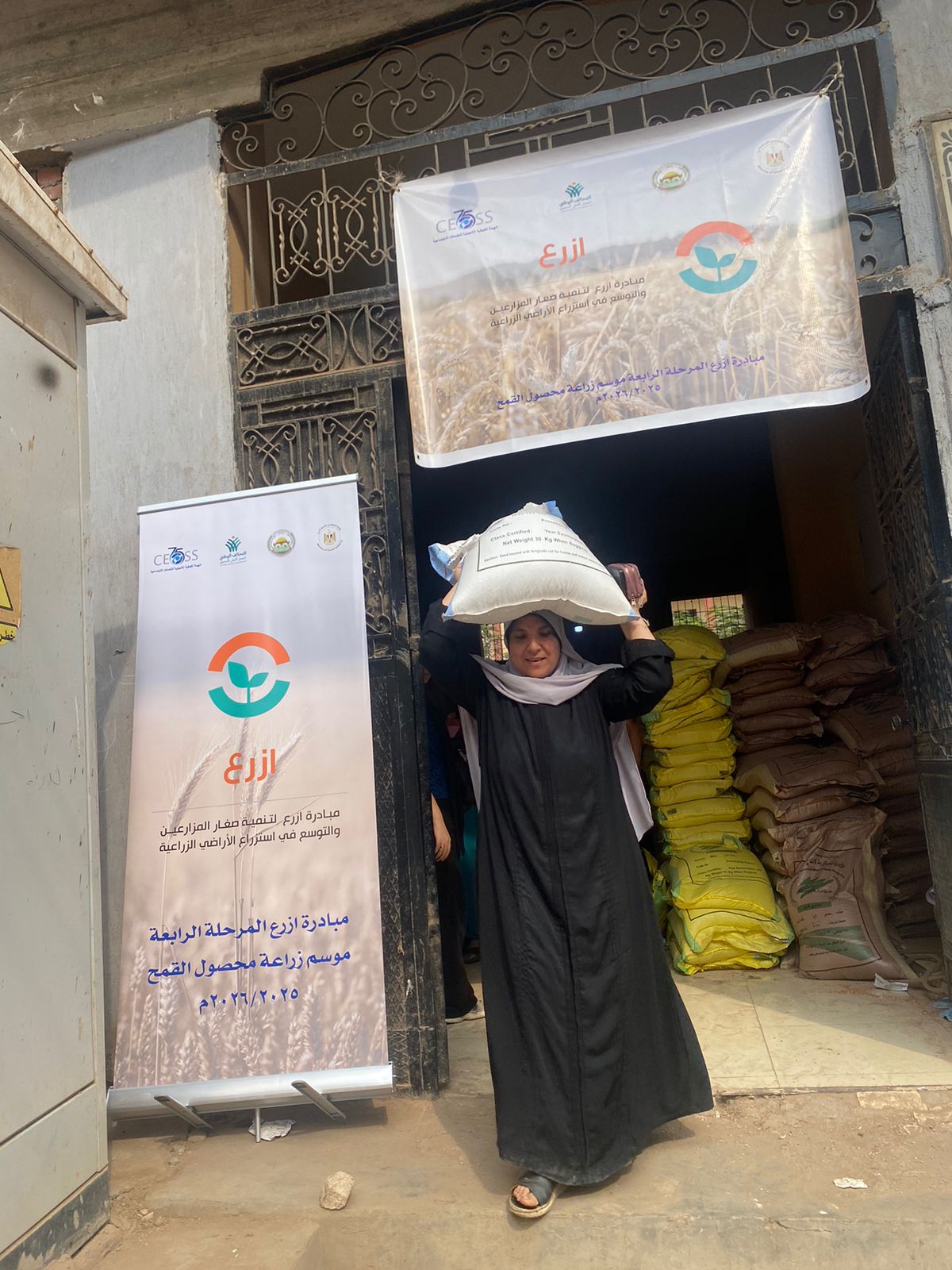
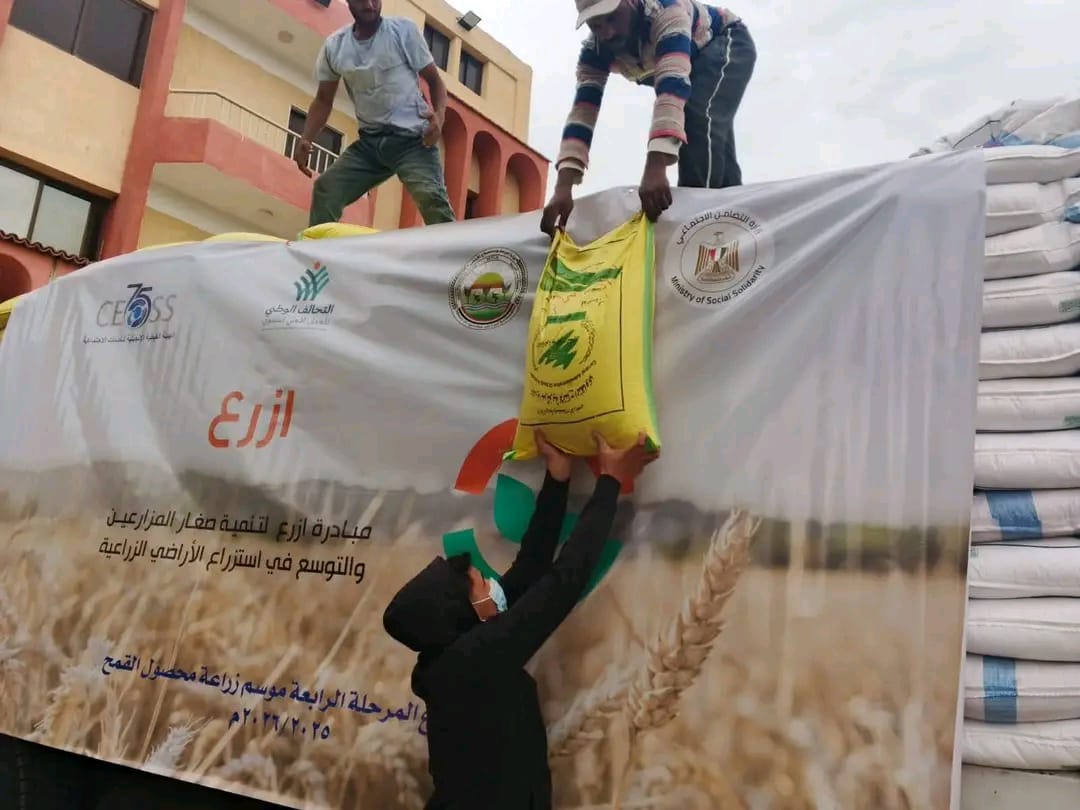
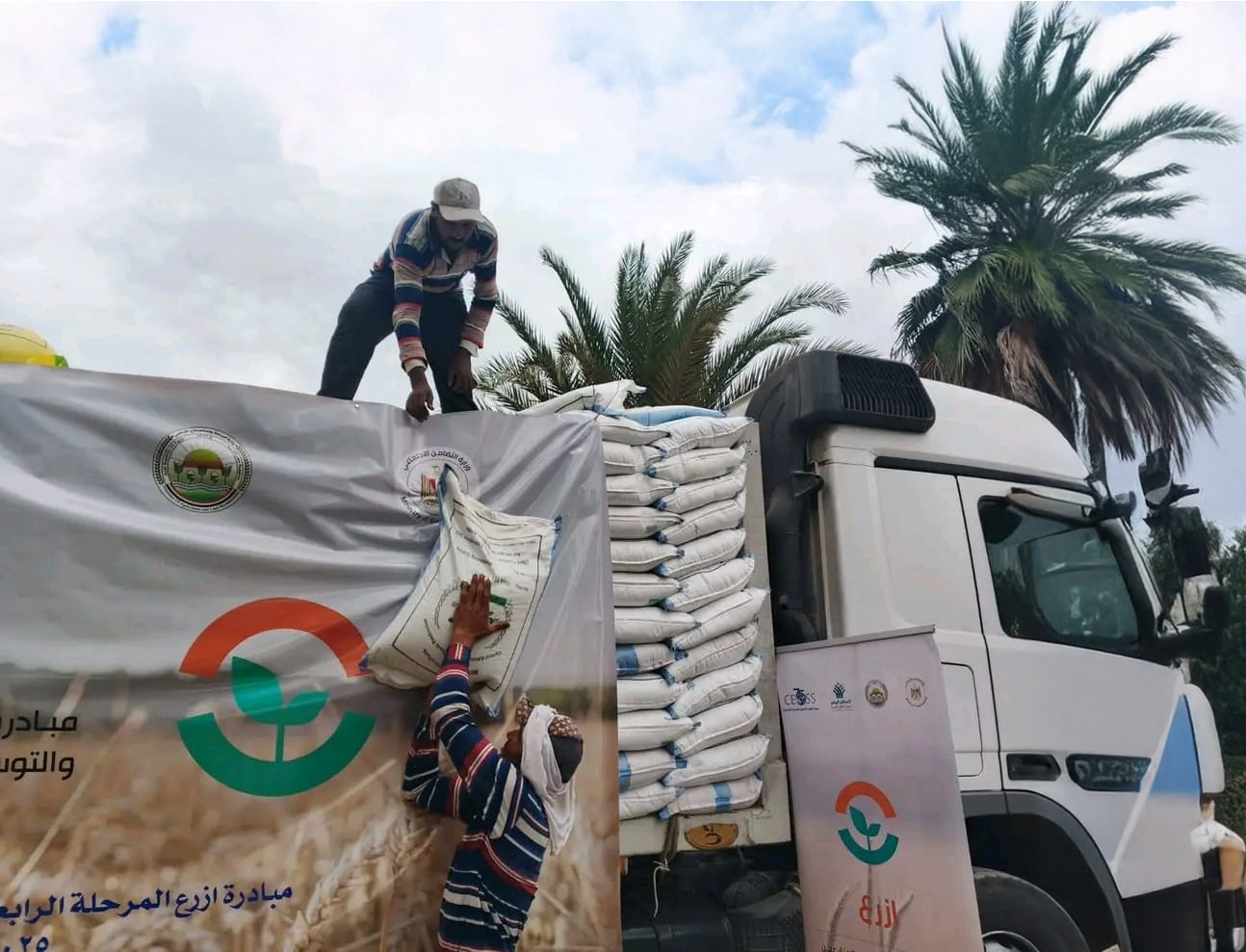
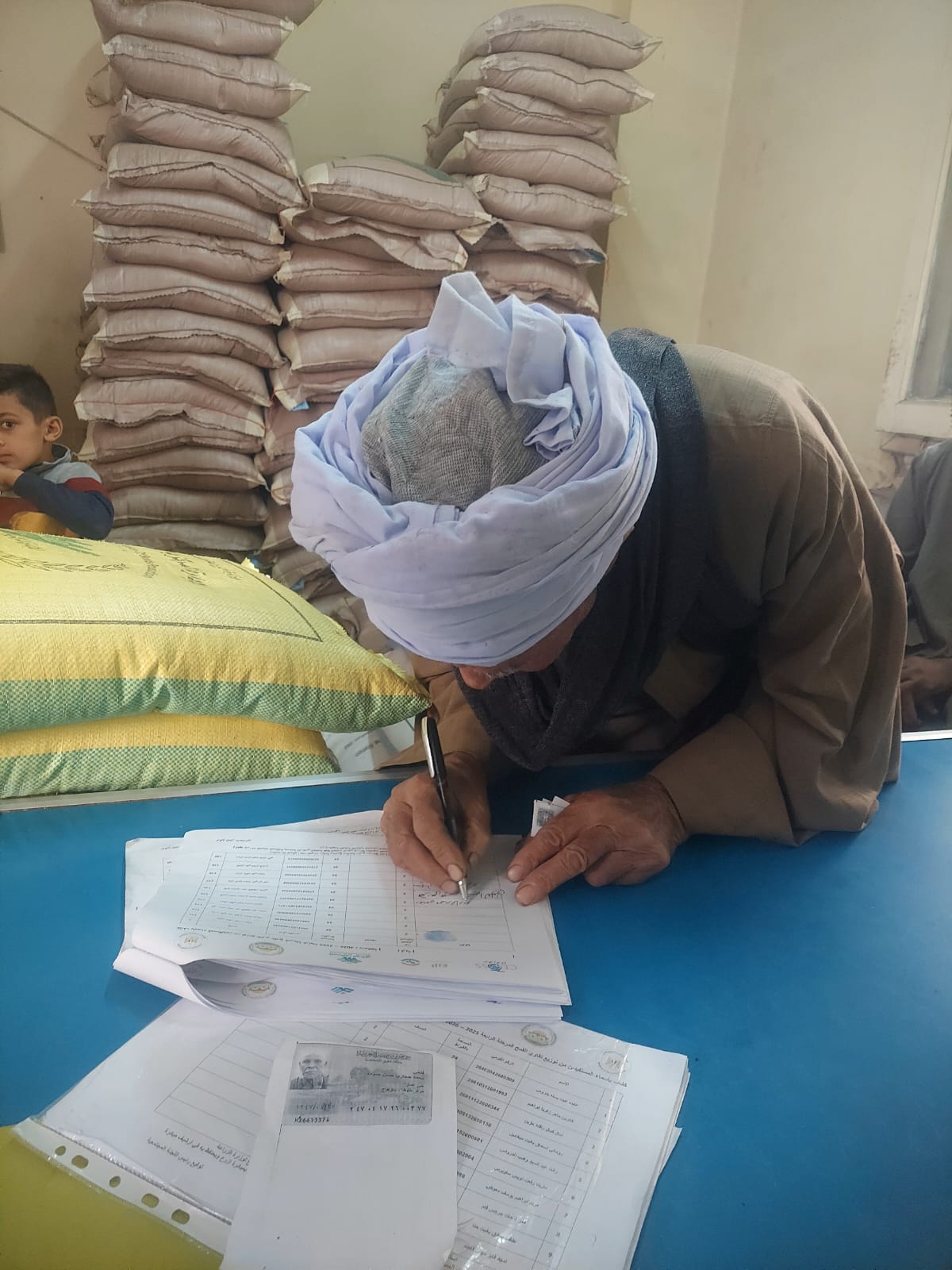
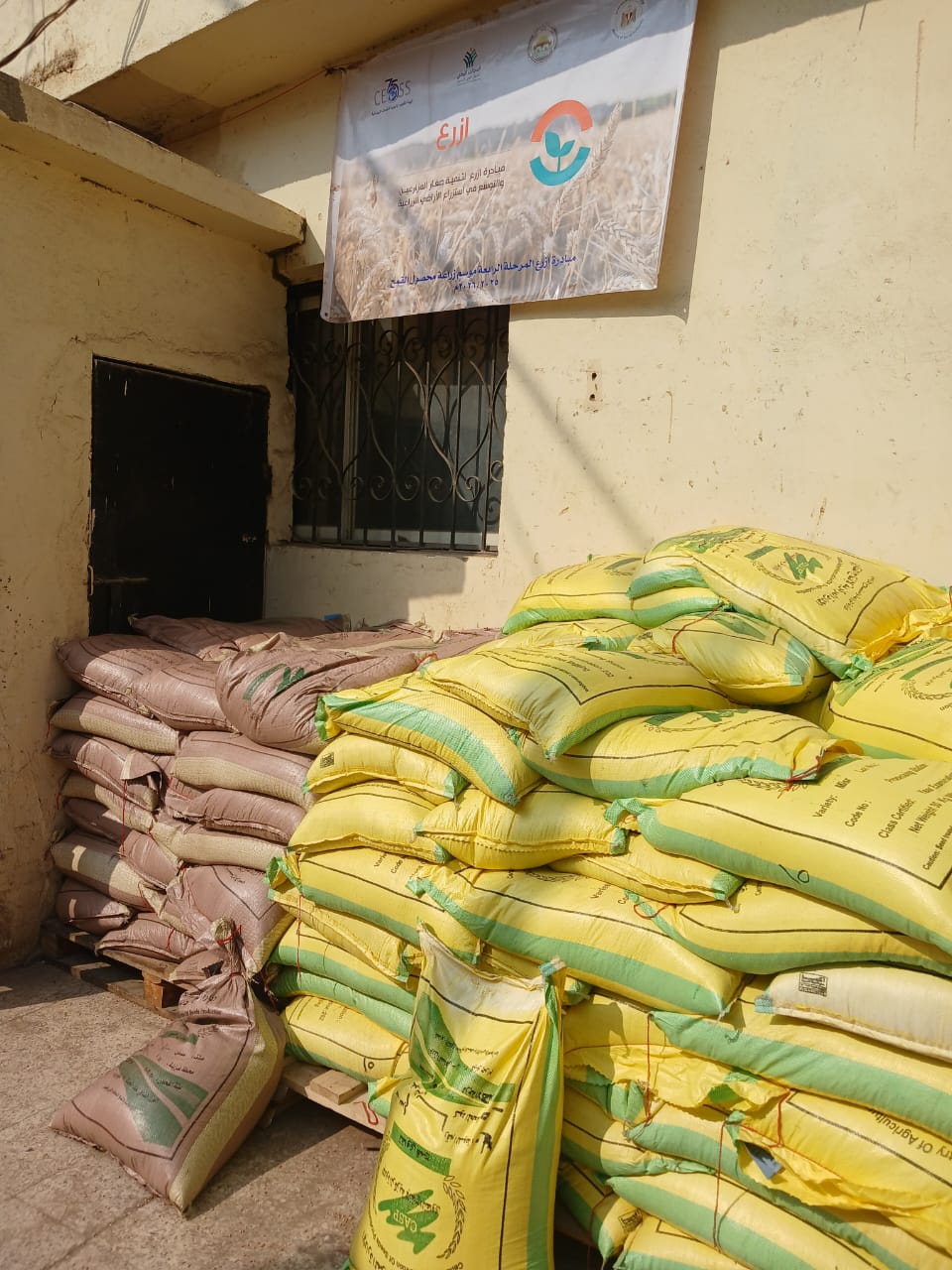
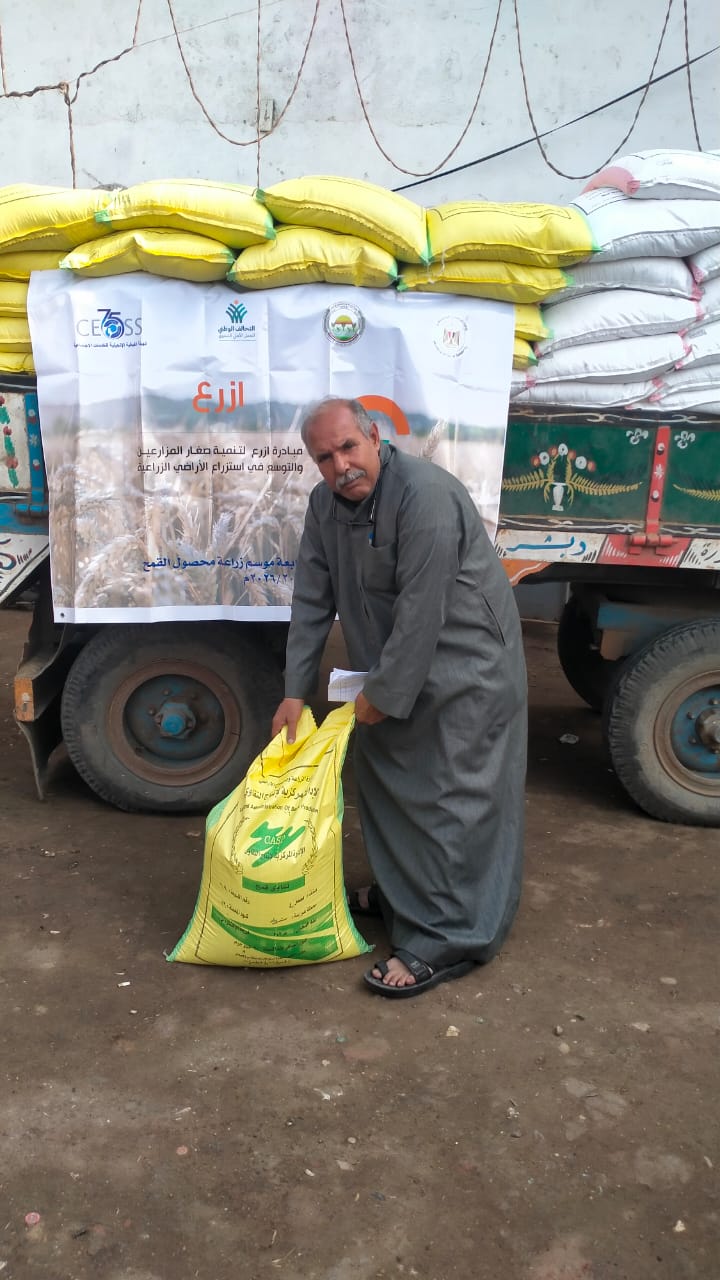
“The initiative provides high-yield seeds through the outlets of the Central Administration for Seeds of the Ministry of Agriculture, with 50% support for participating farmers. The varieties include: Misr 3, Misr 4, Giza 171, Sakha 95, Seds 12, Seds 14, Seds 15, Beni Suef 5, and Beni Suef 7, according to the approved varietal map for each governorate.”
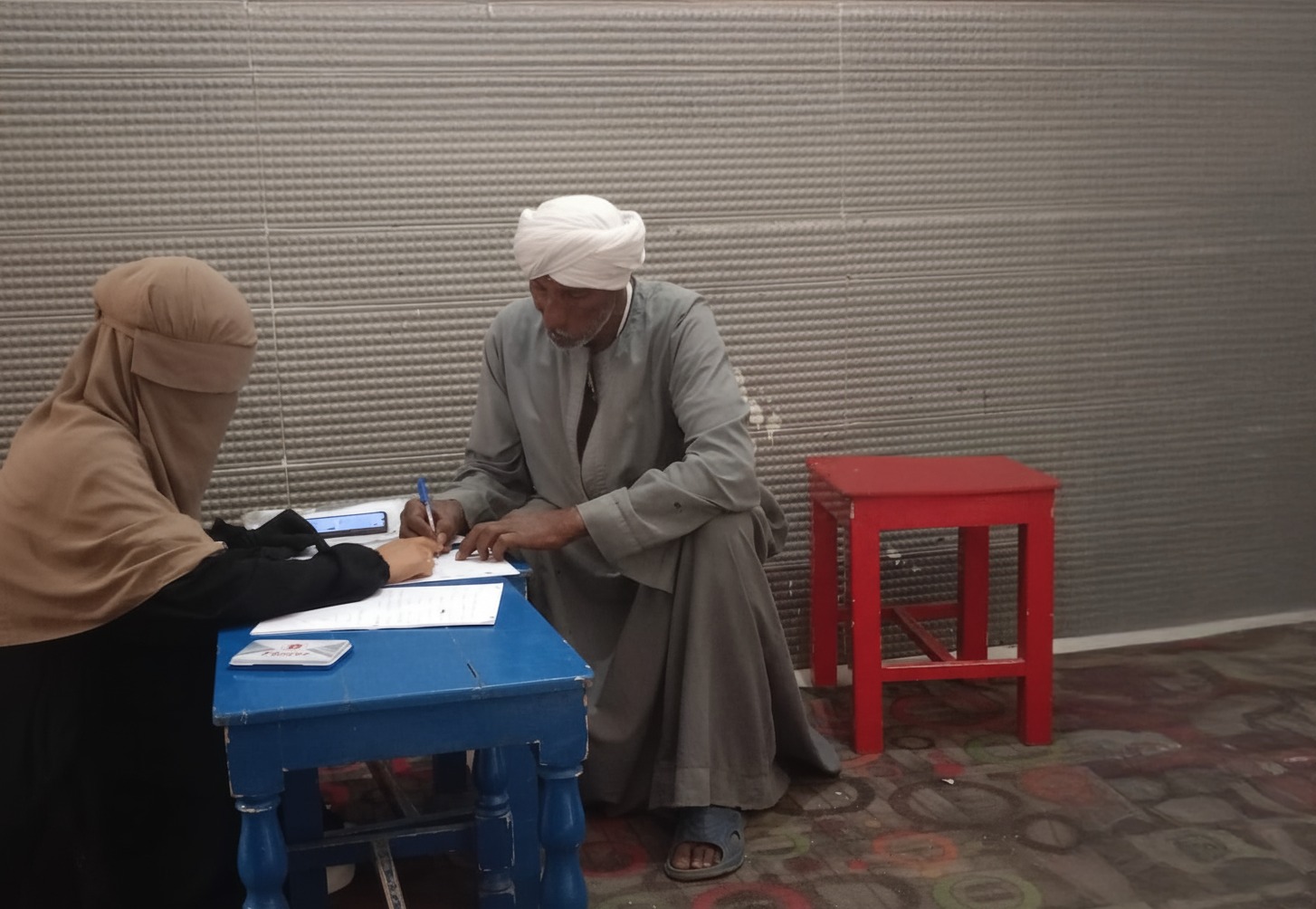
The organization called on all farmers to visit partner civil society associations or contact volunteer teams to fill out the “Ezraa” application form and obtain subsidized seeds at a price of 425 EGP per sack, in order to enhance the economic and social empowerment of farmers, ensure strategic wheat self-sufficiency, and support community stability in rural Egypt.