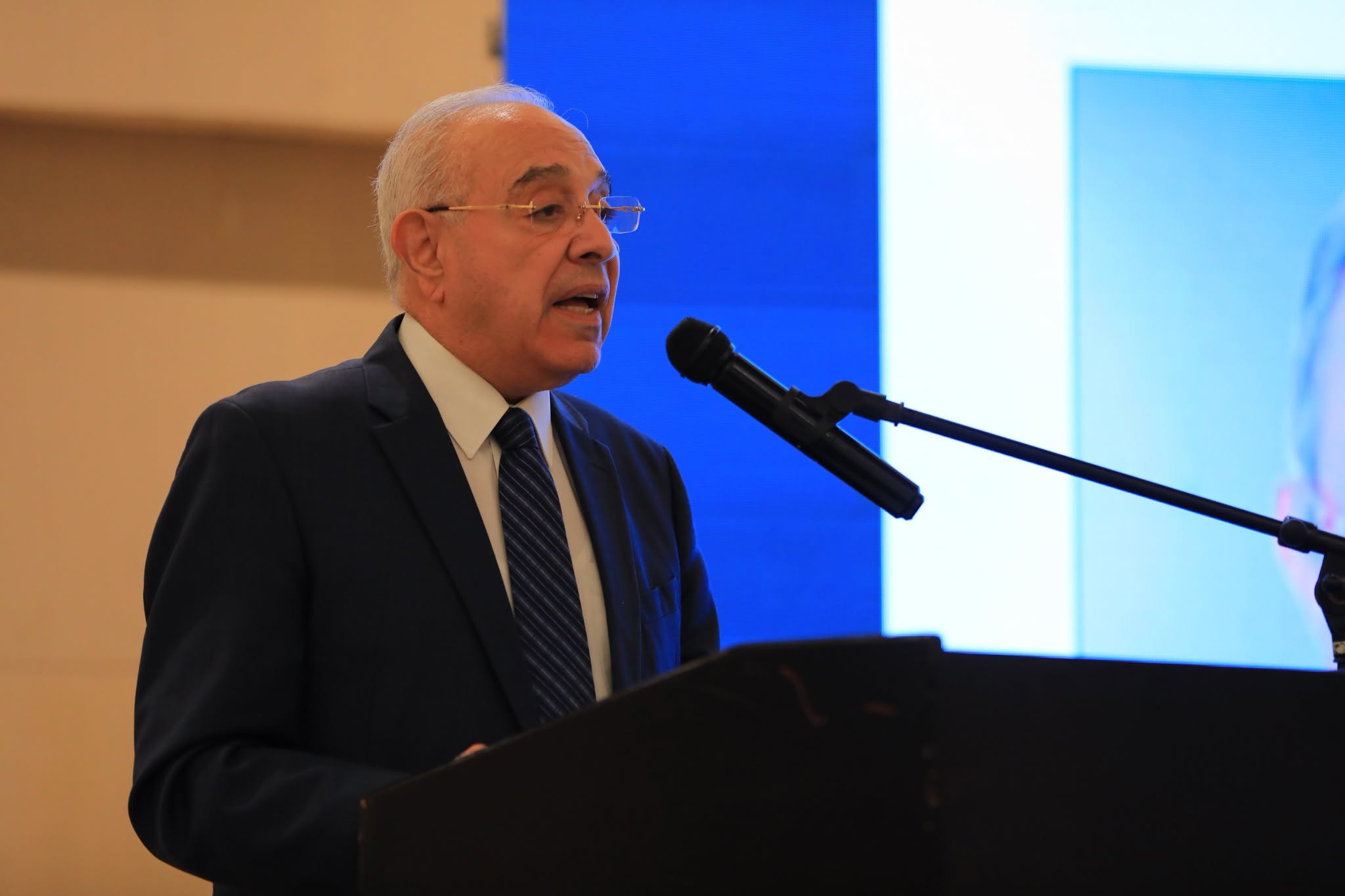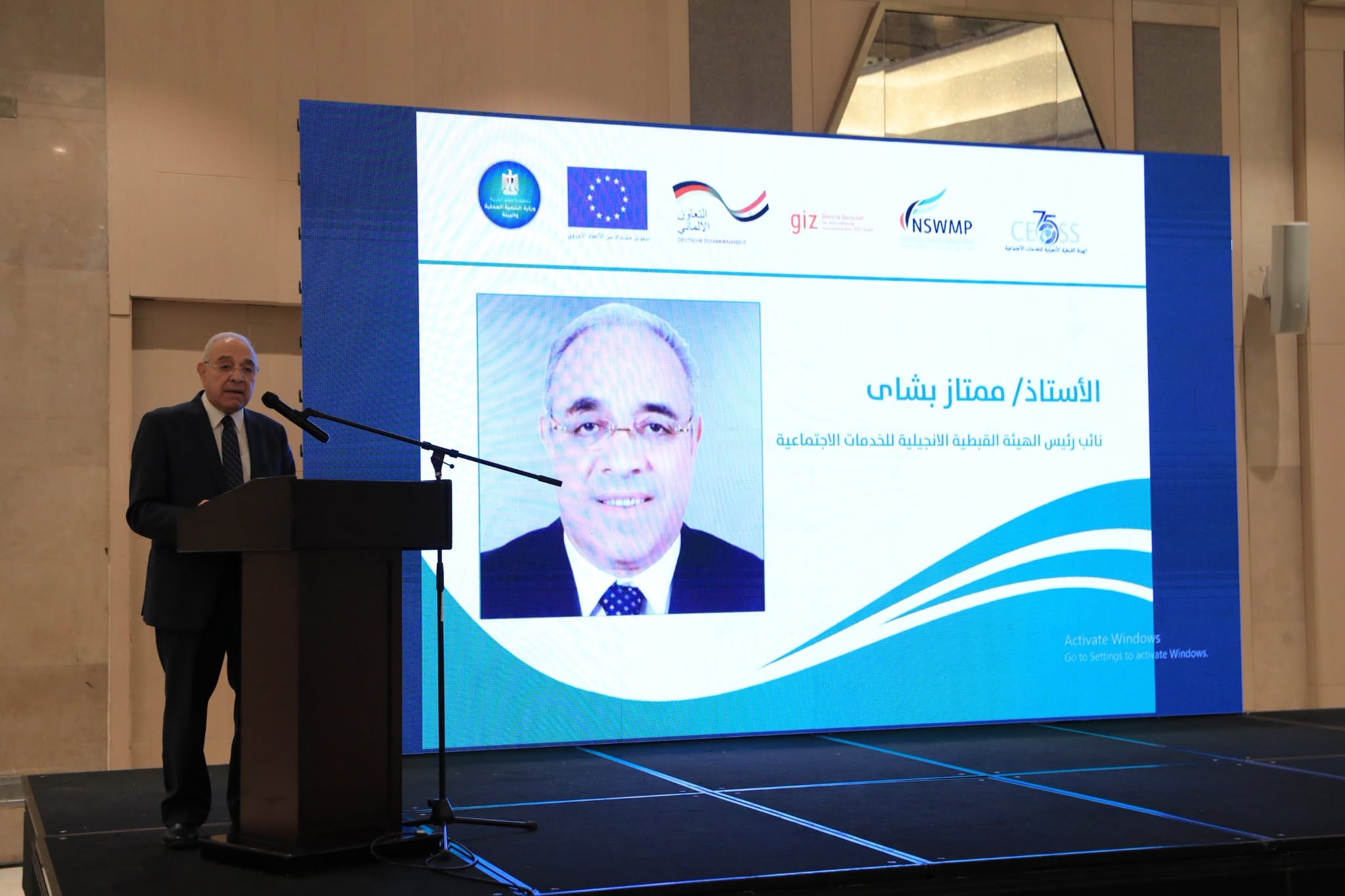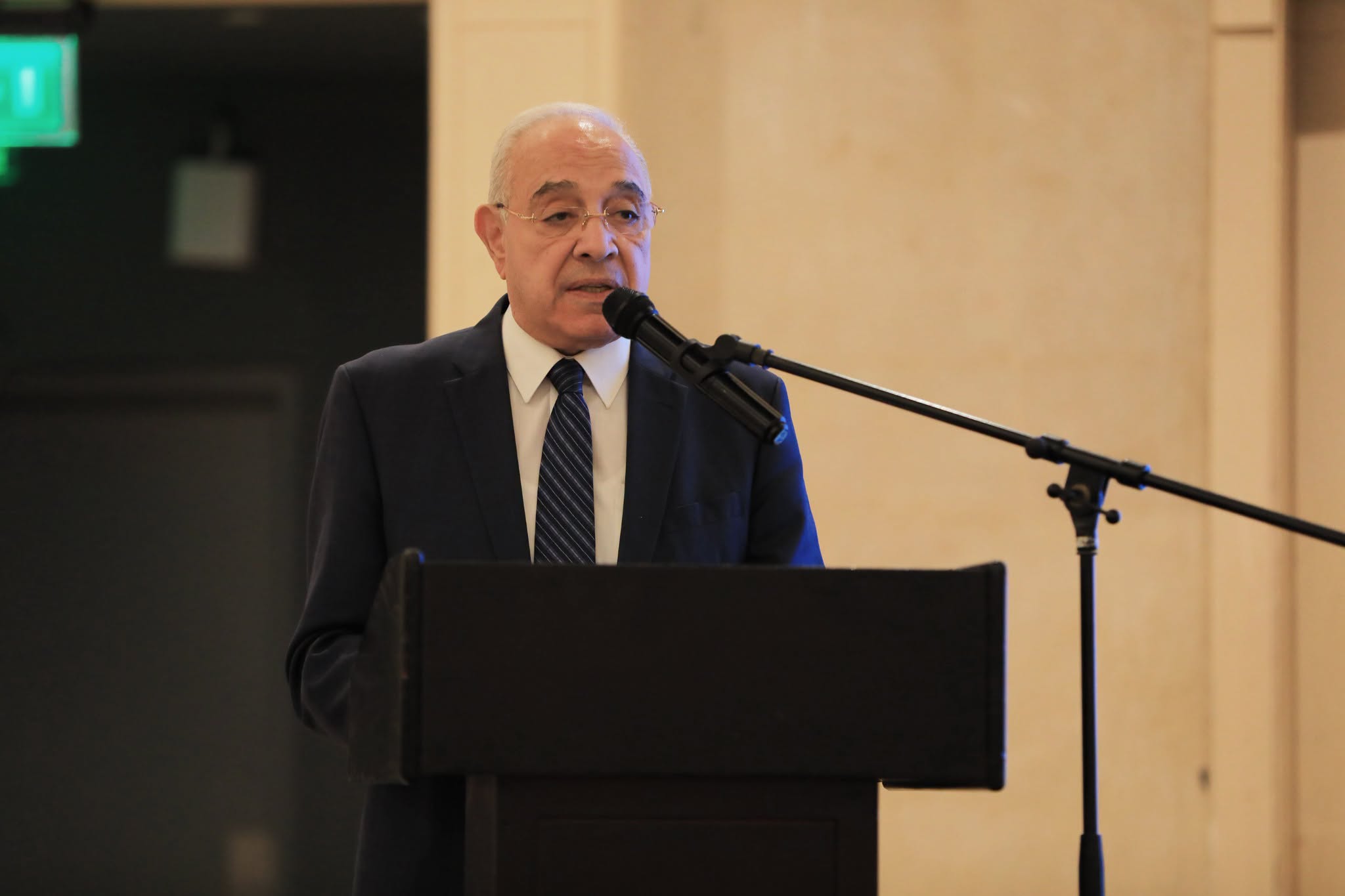
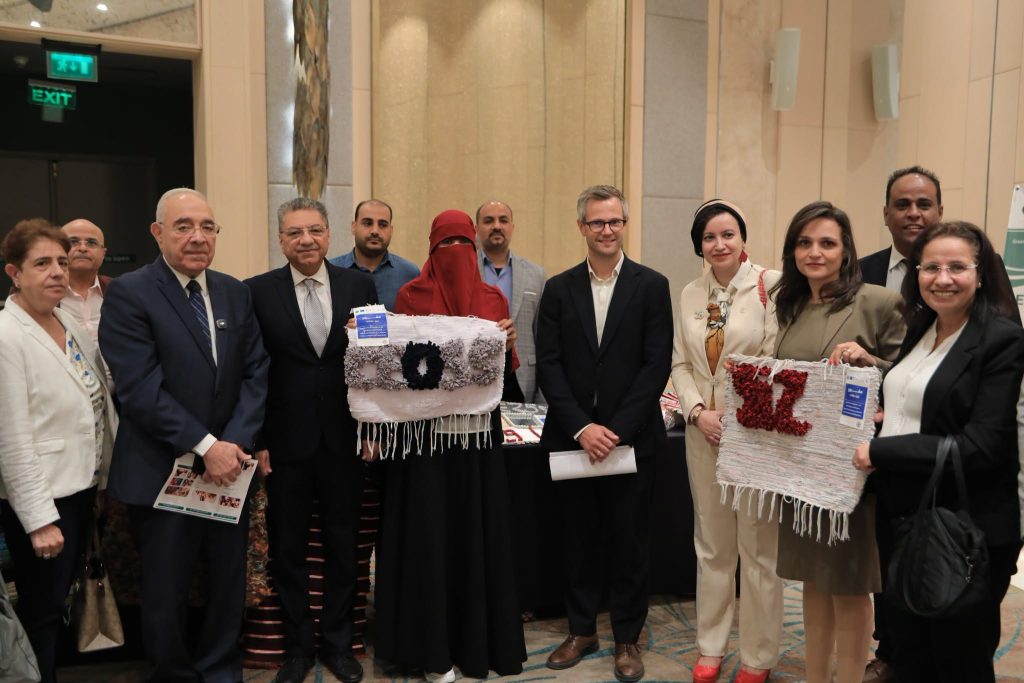
Mr. Momtaz Beshay, Vice President of CEOSS:
“Empowering civil society organizations and building their capacities are essential to sustaining environmental initiatives and advancing development in local communities.”
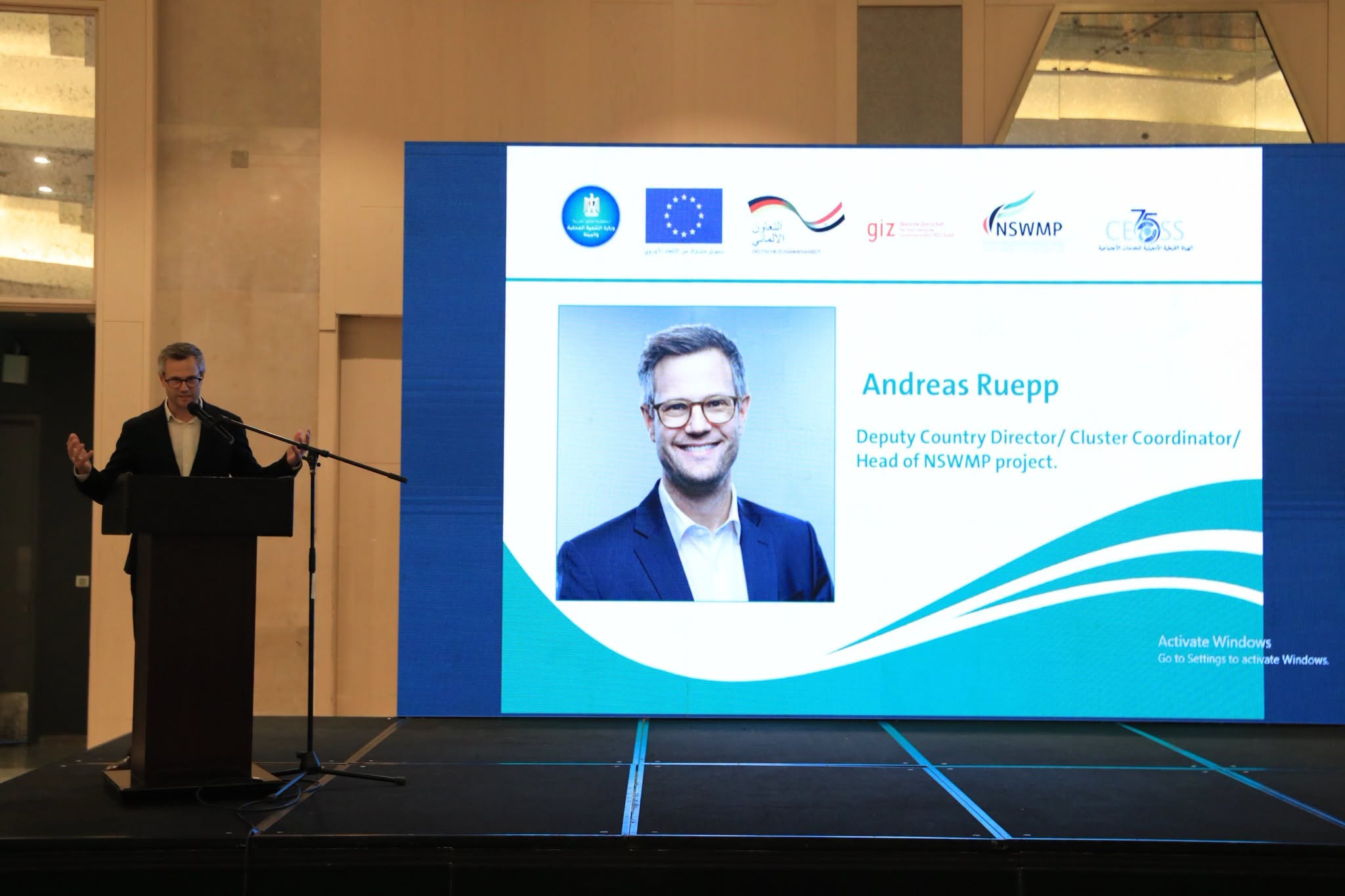
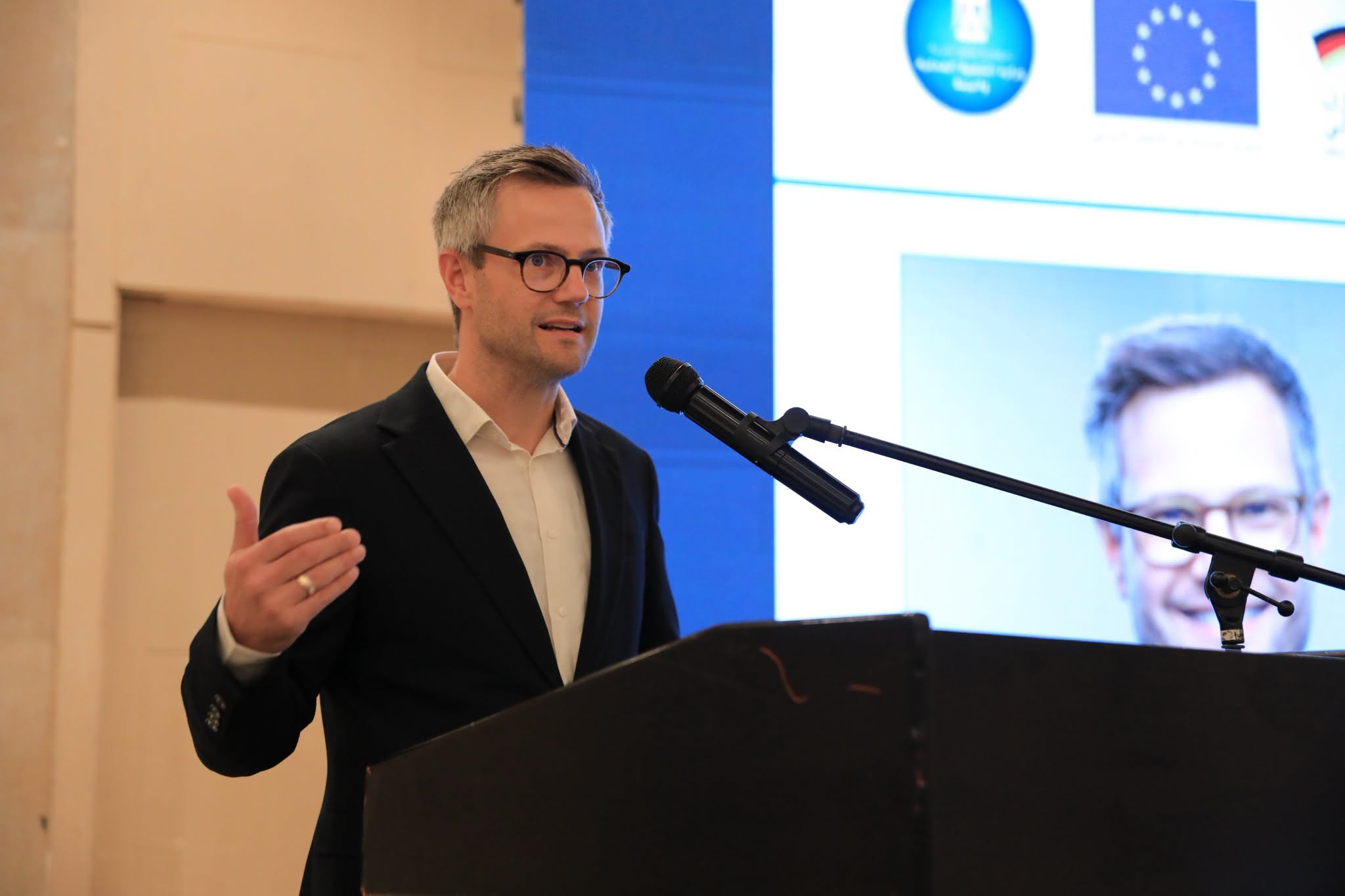
Andreas Rupp, Business Sector and Green Transformation Coordinator and EU Green Project Manager, National Solid Waste Management Programme, GIZ:
“Partnerships and the exchange of expertise support the development of practical solutions to environmental and climate challenges.”
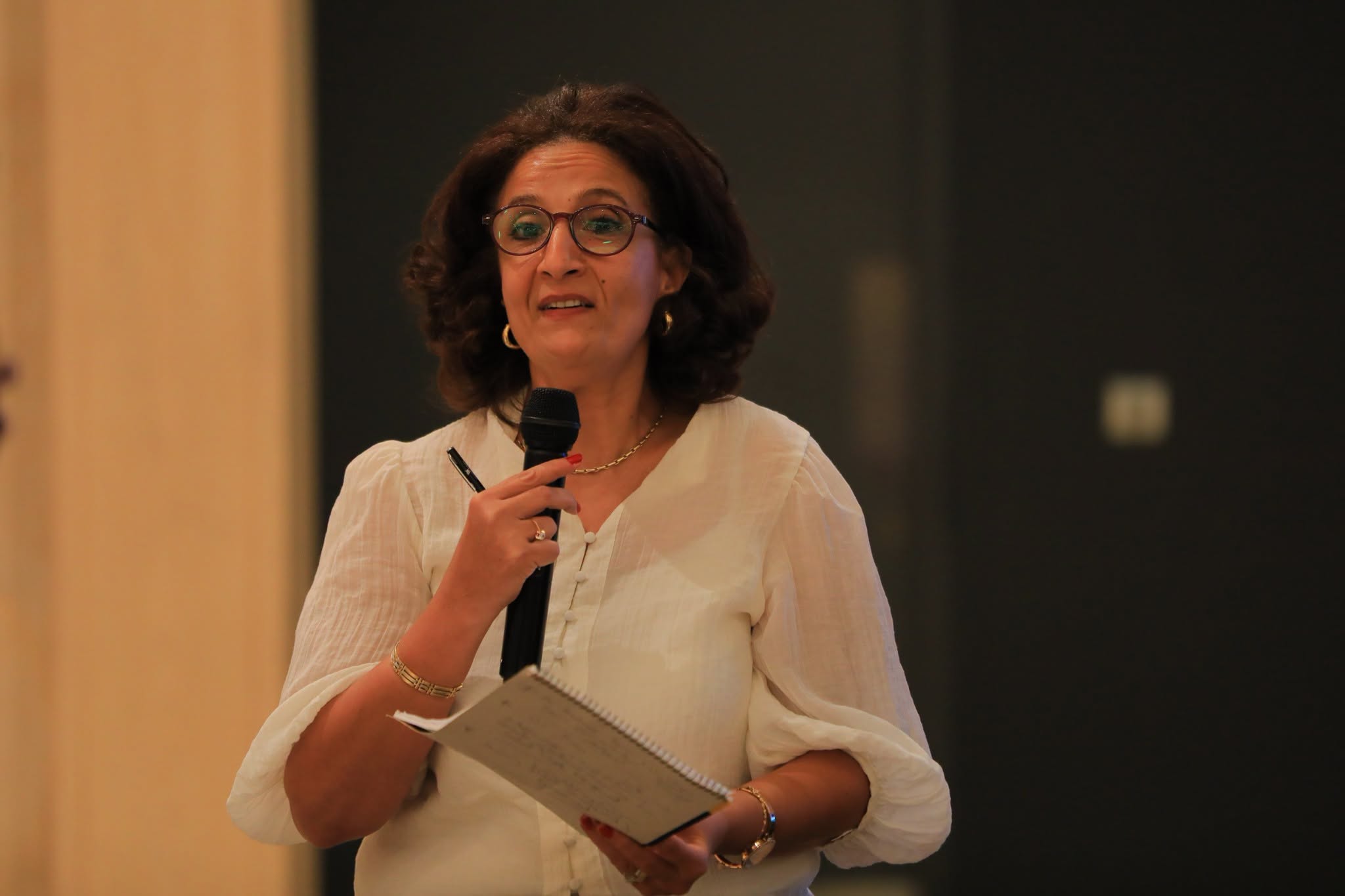
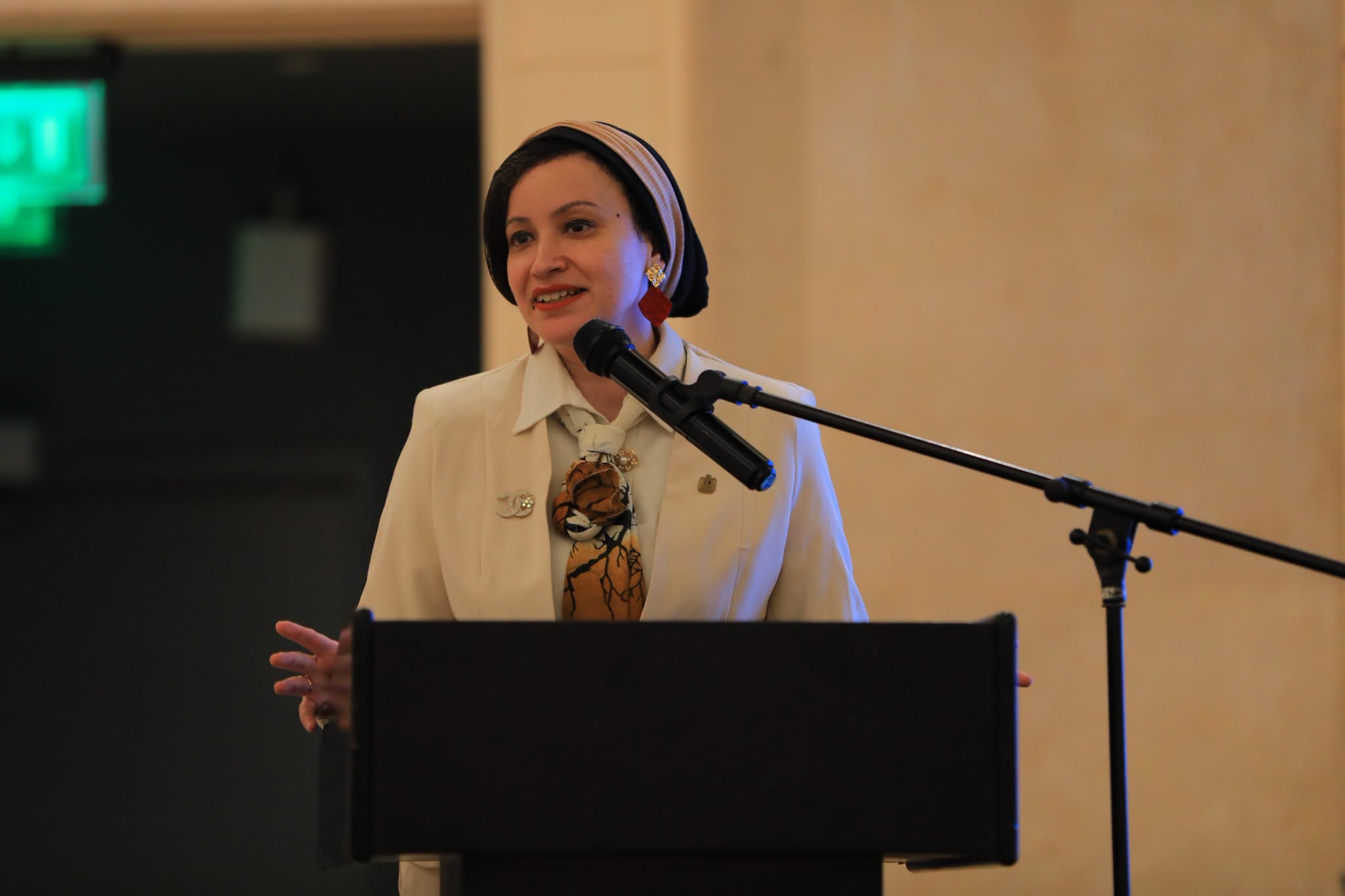
Dr. Mona Shehab, Director of the National Solid Waste Management Programme, representing the Ministry of Local Development and Environment:
“Local initiatives raise environmental awareness and support waste management efforts.”
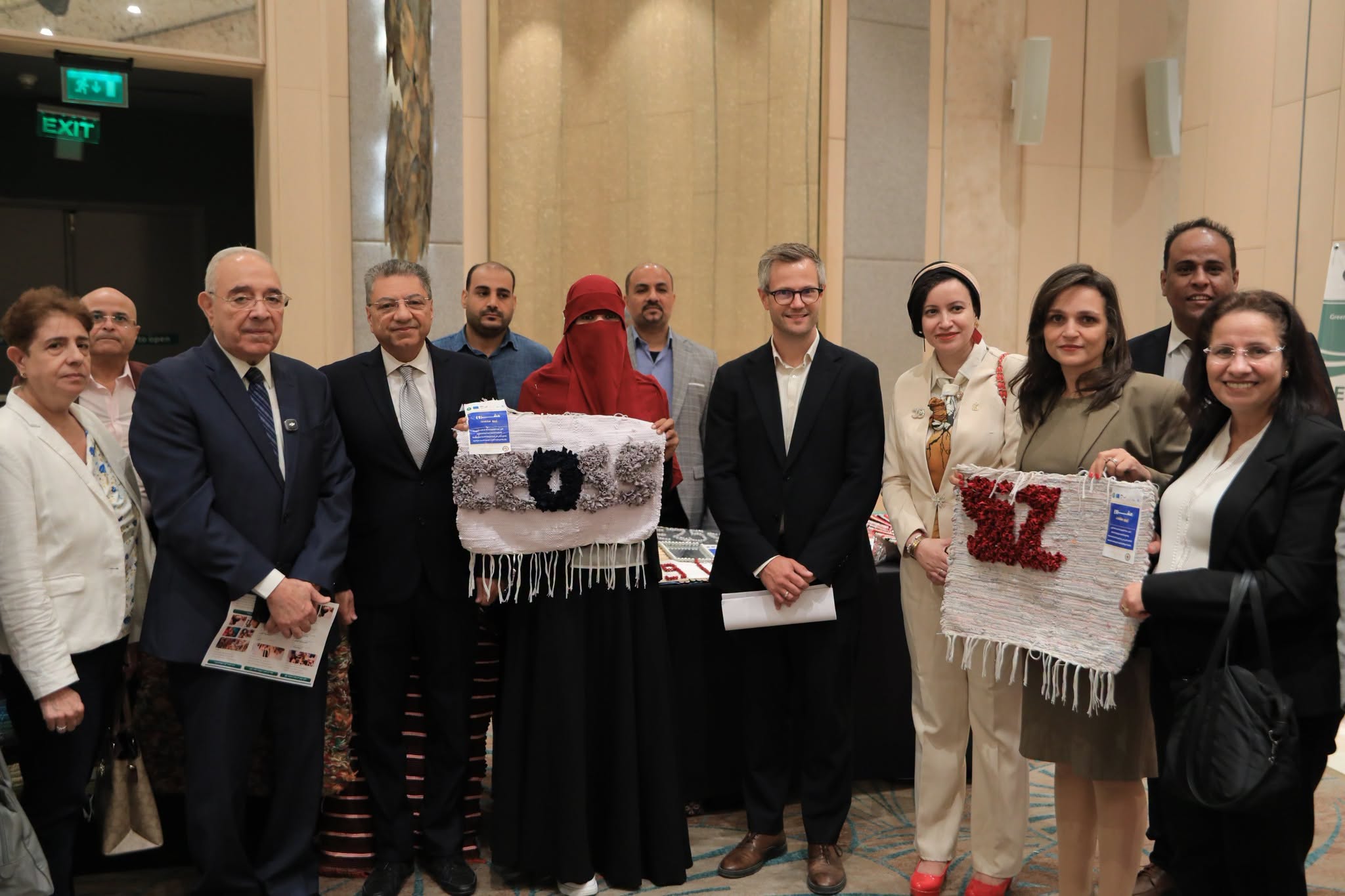
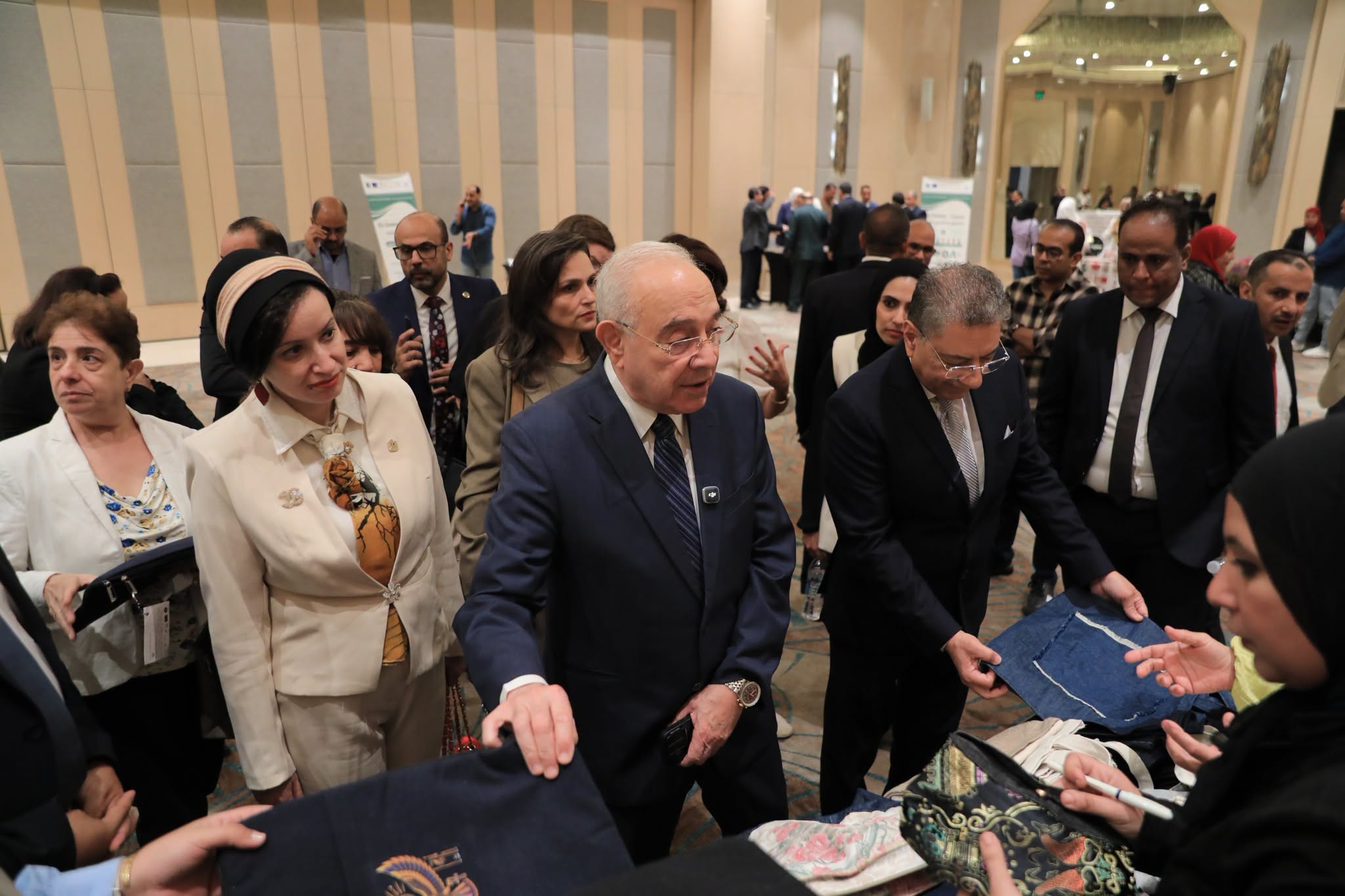
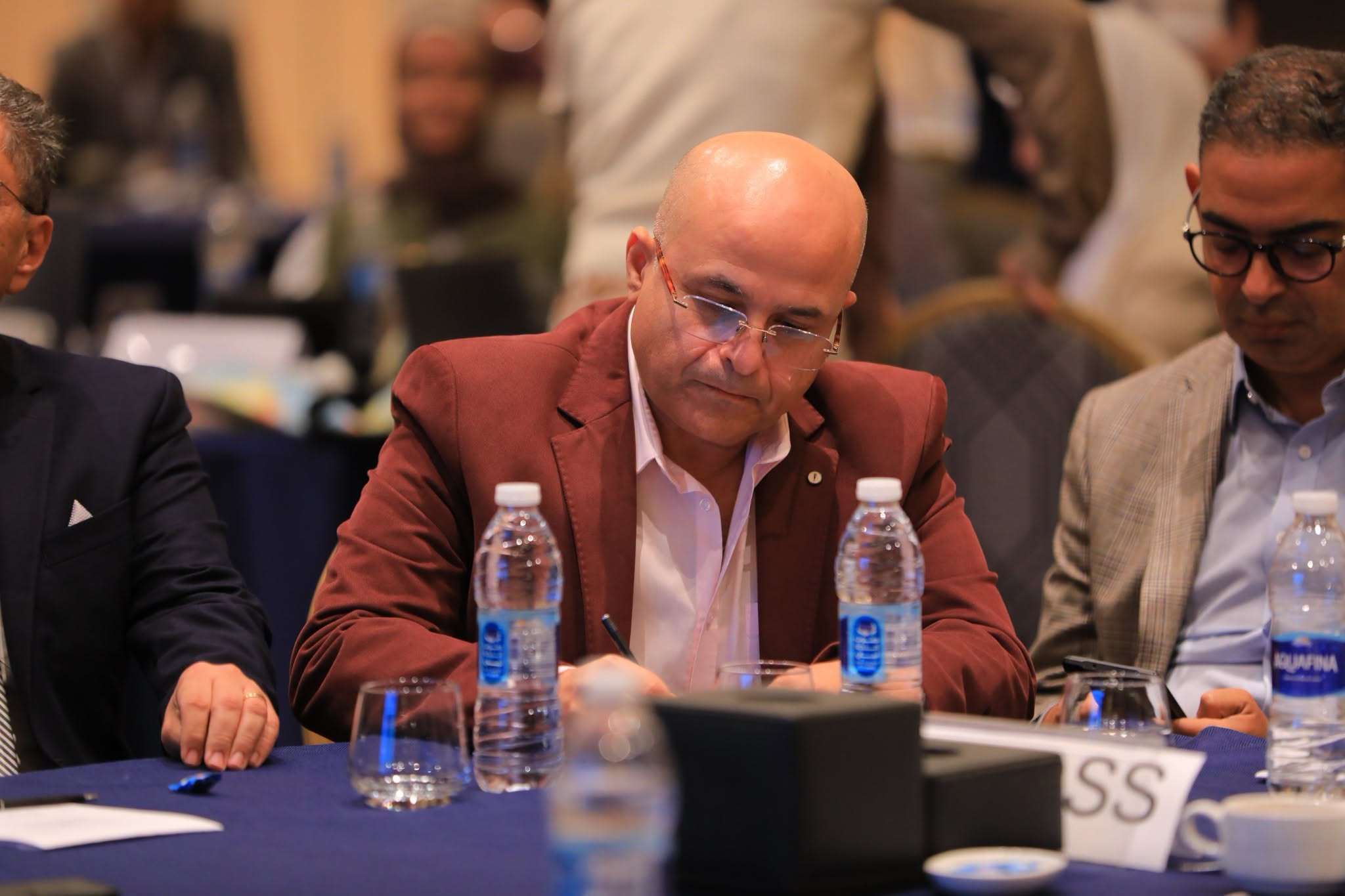
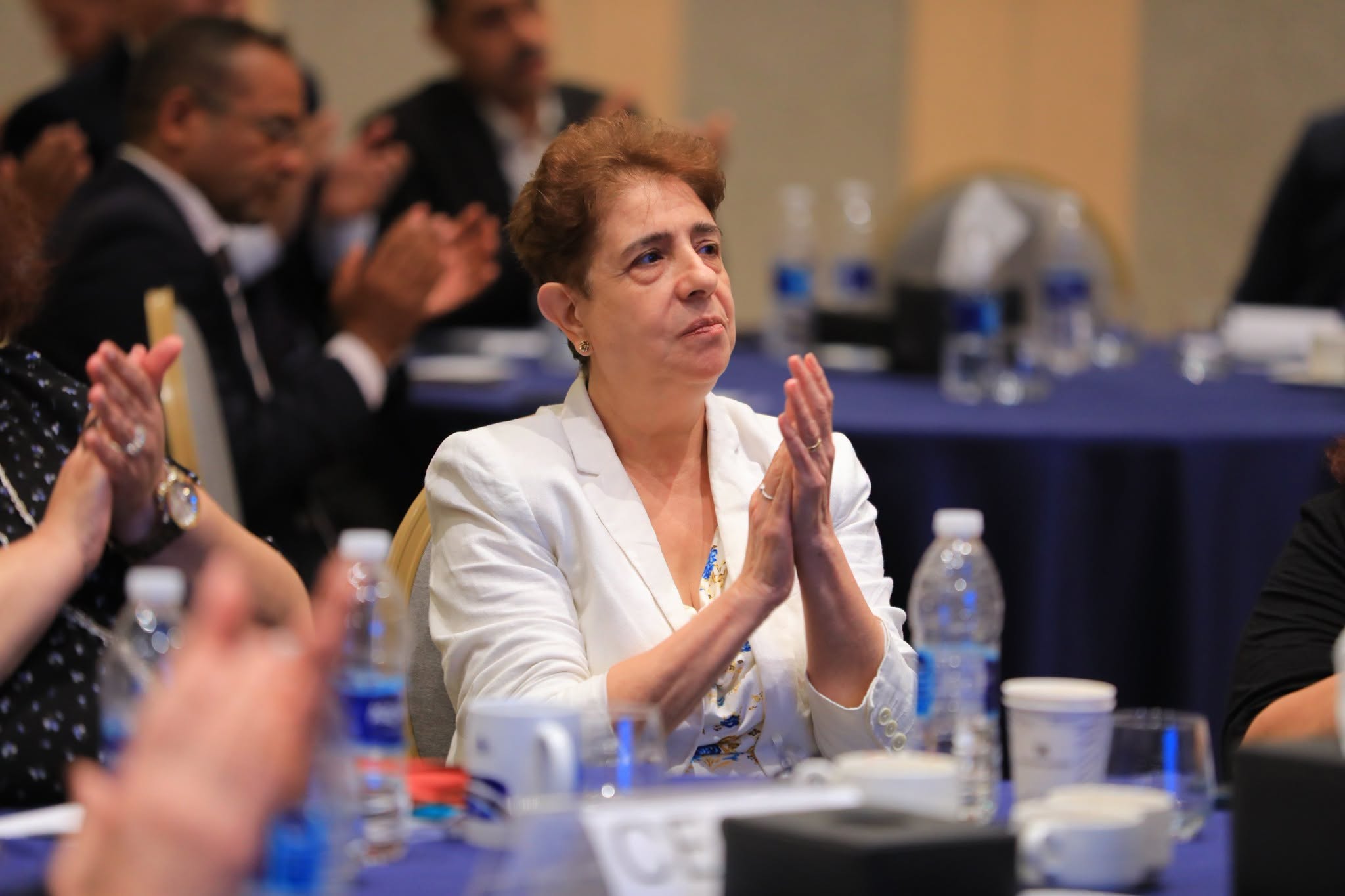
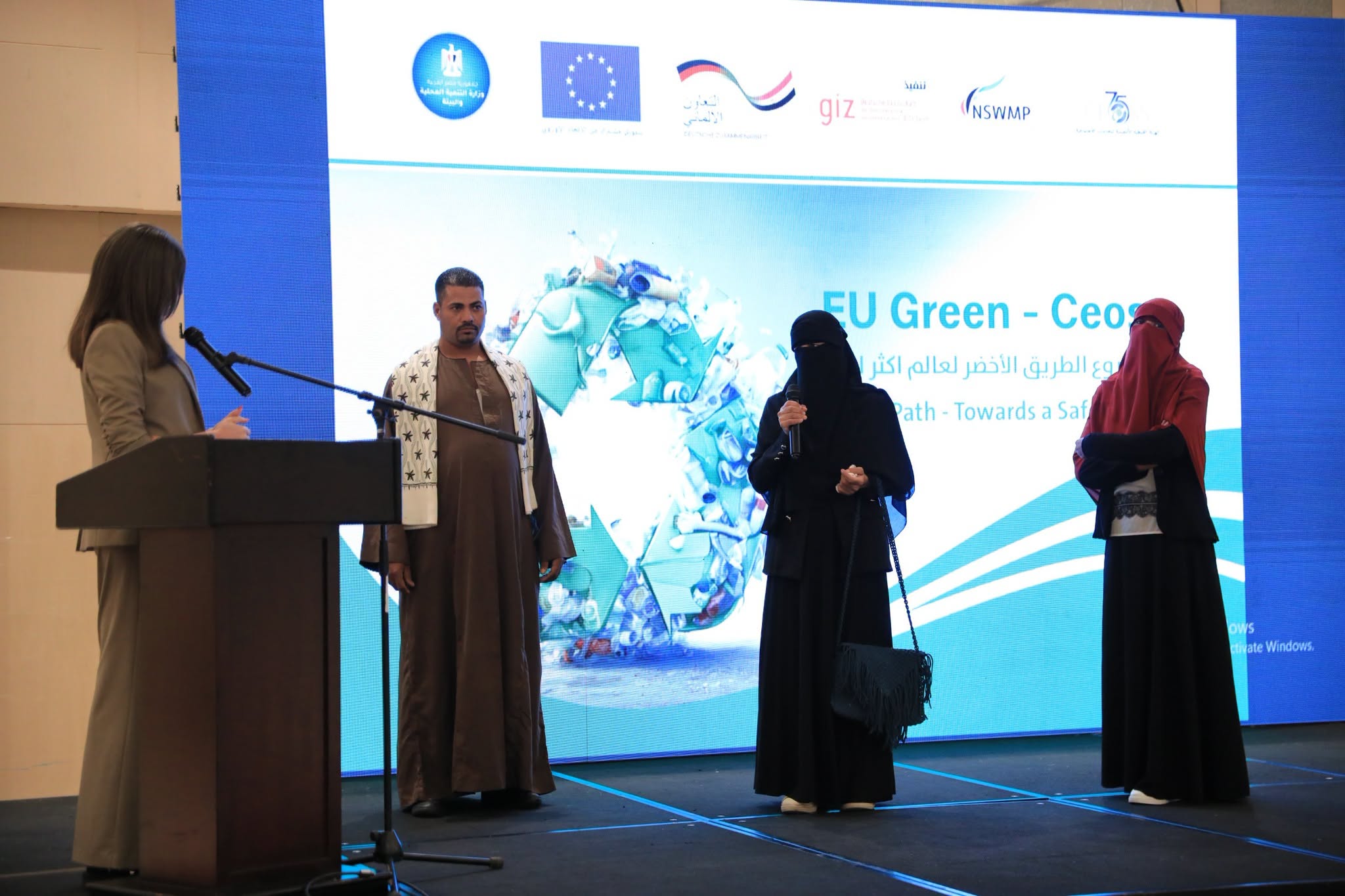
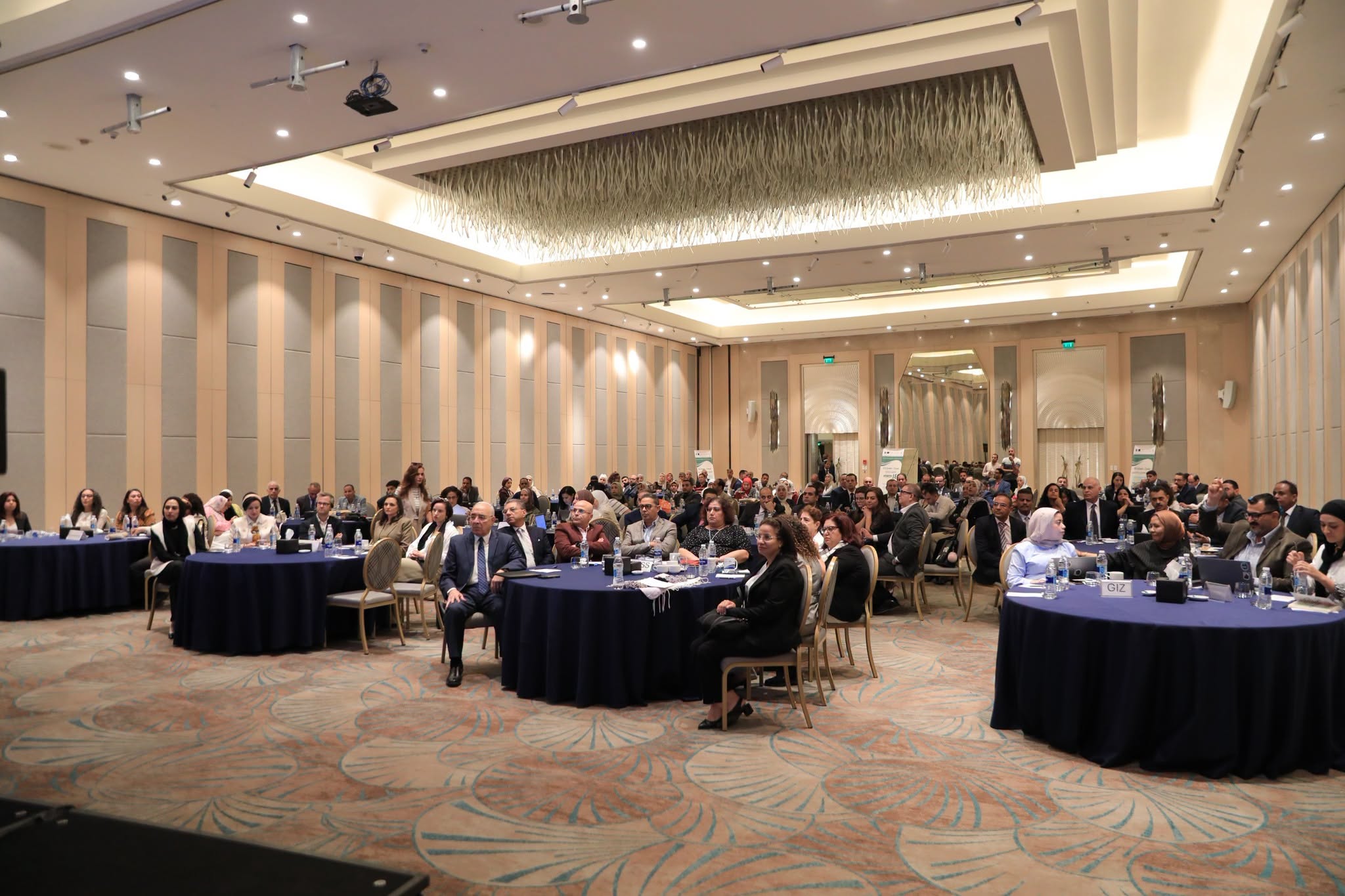
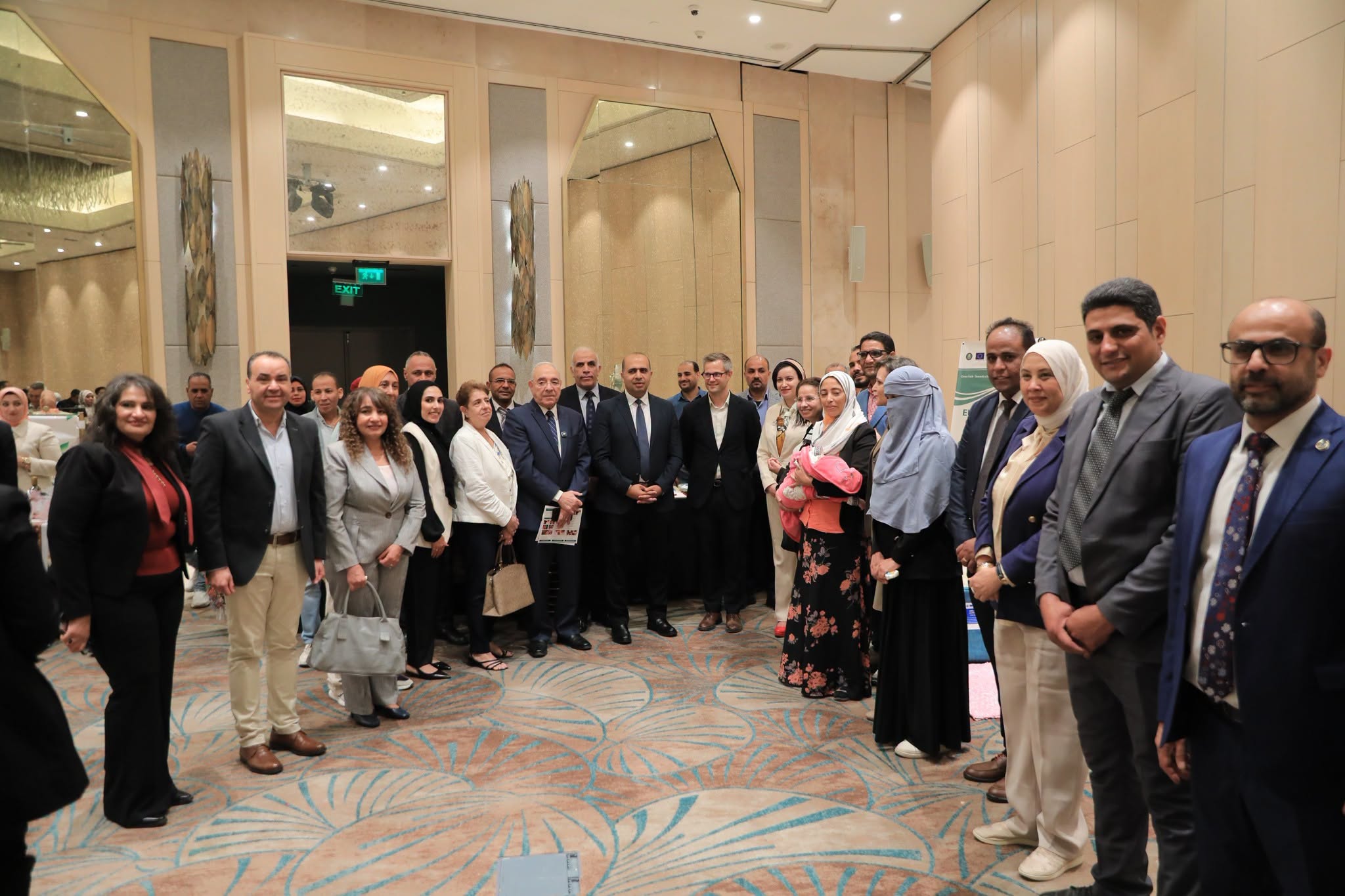
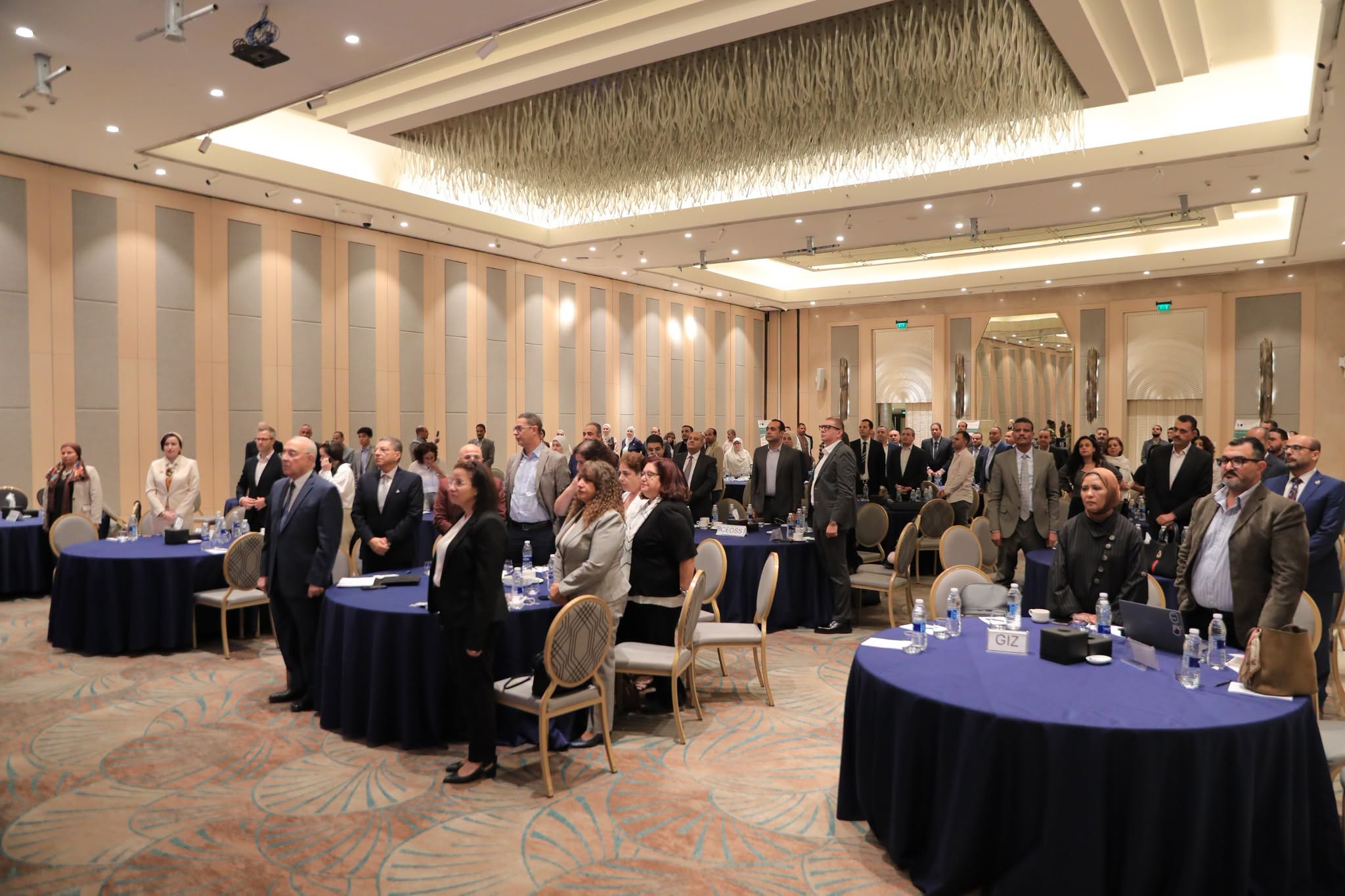
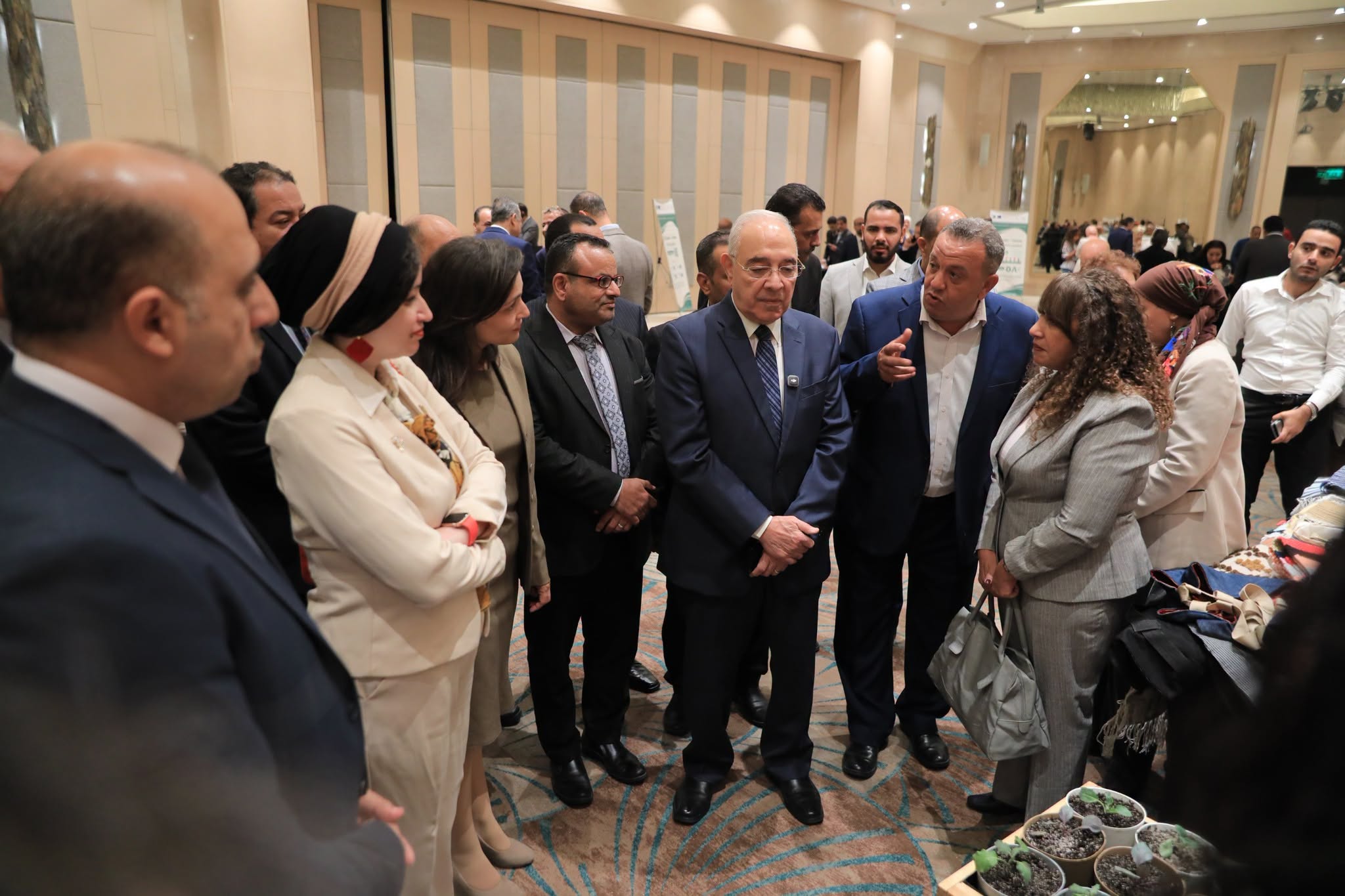
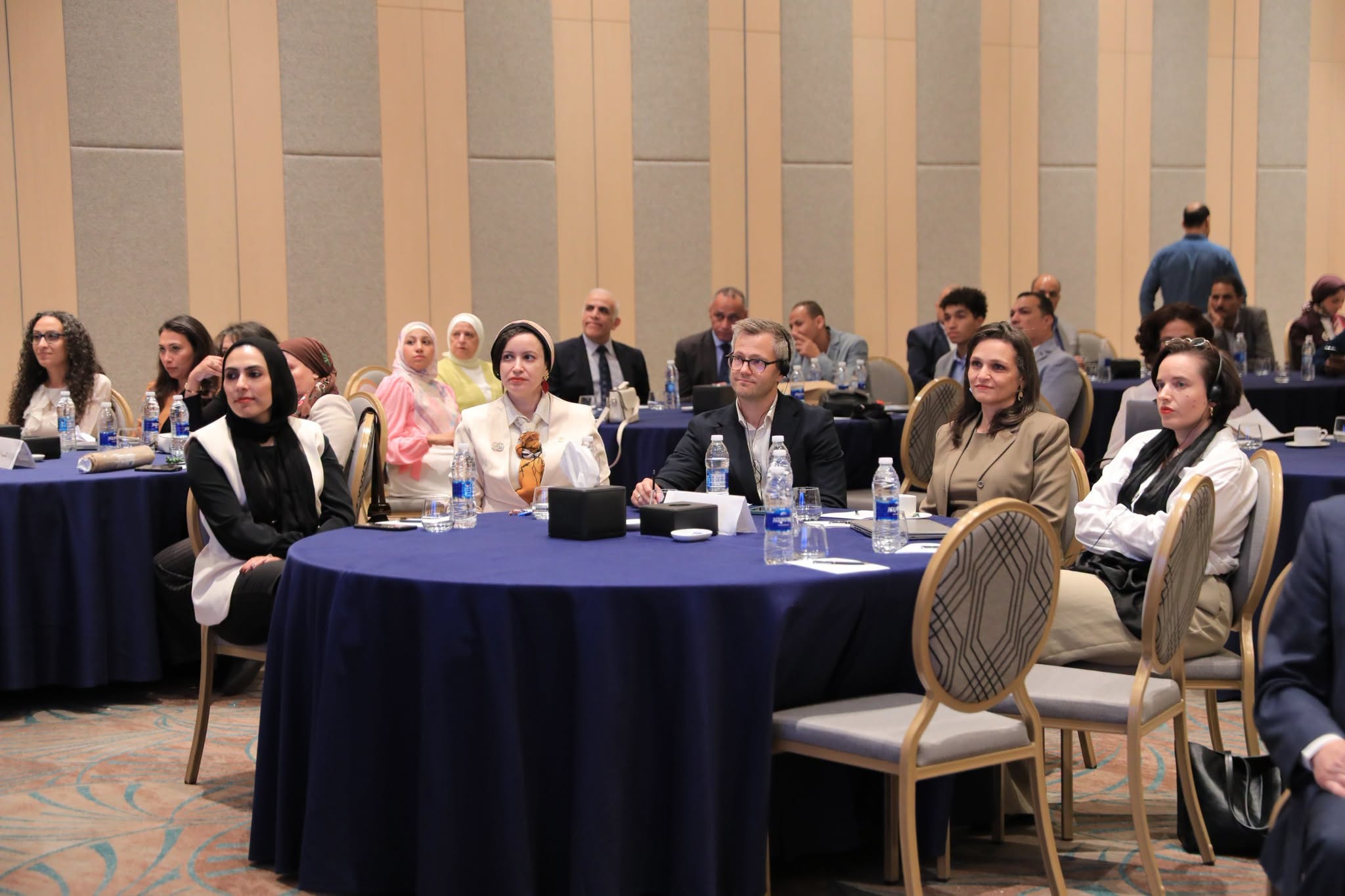
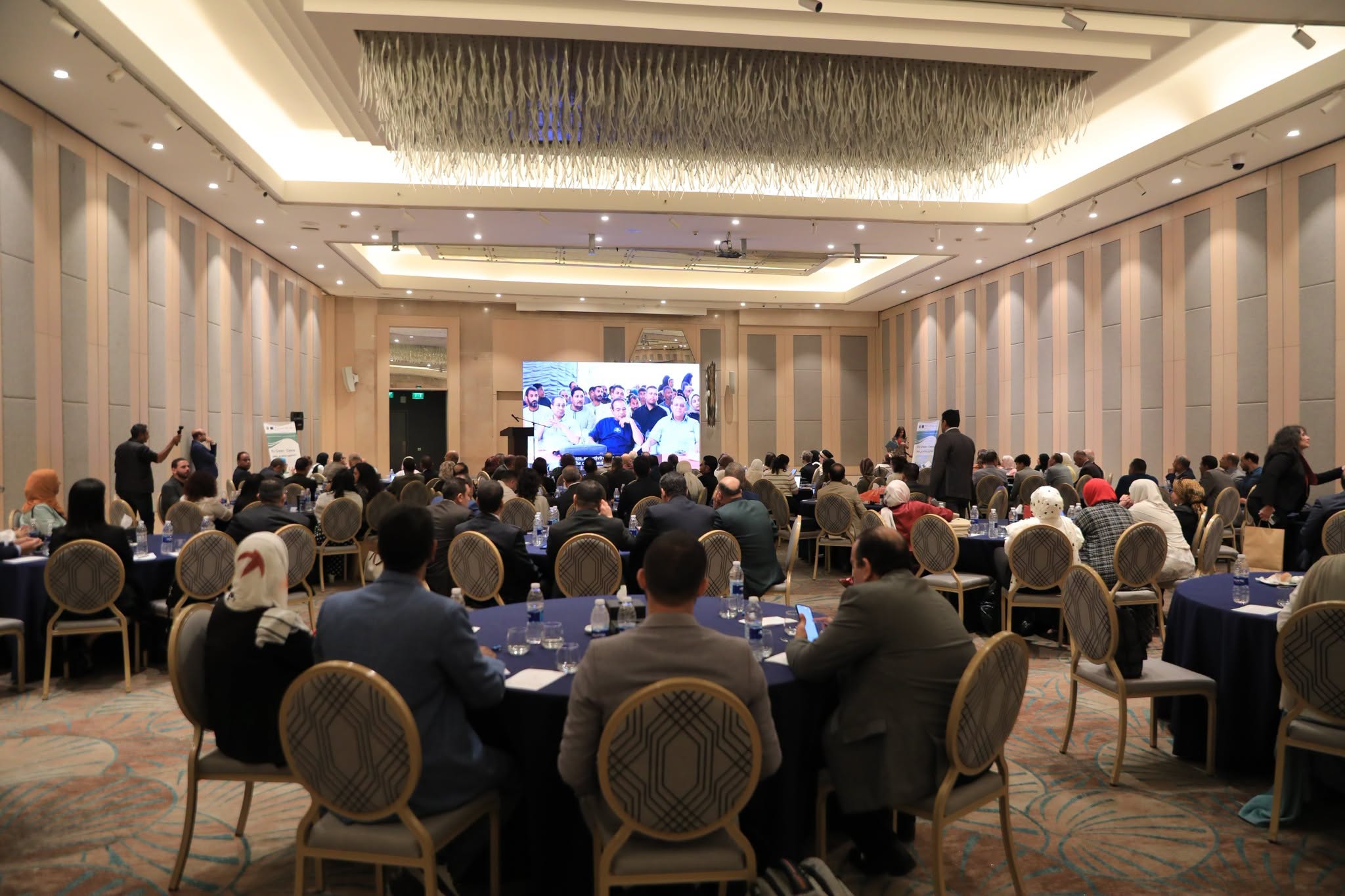
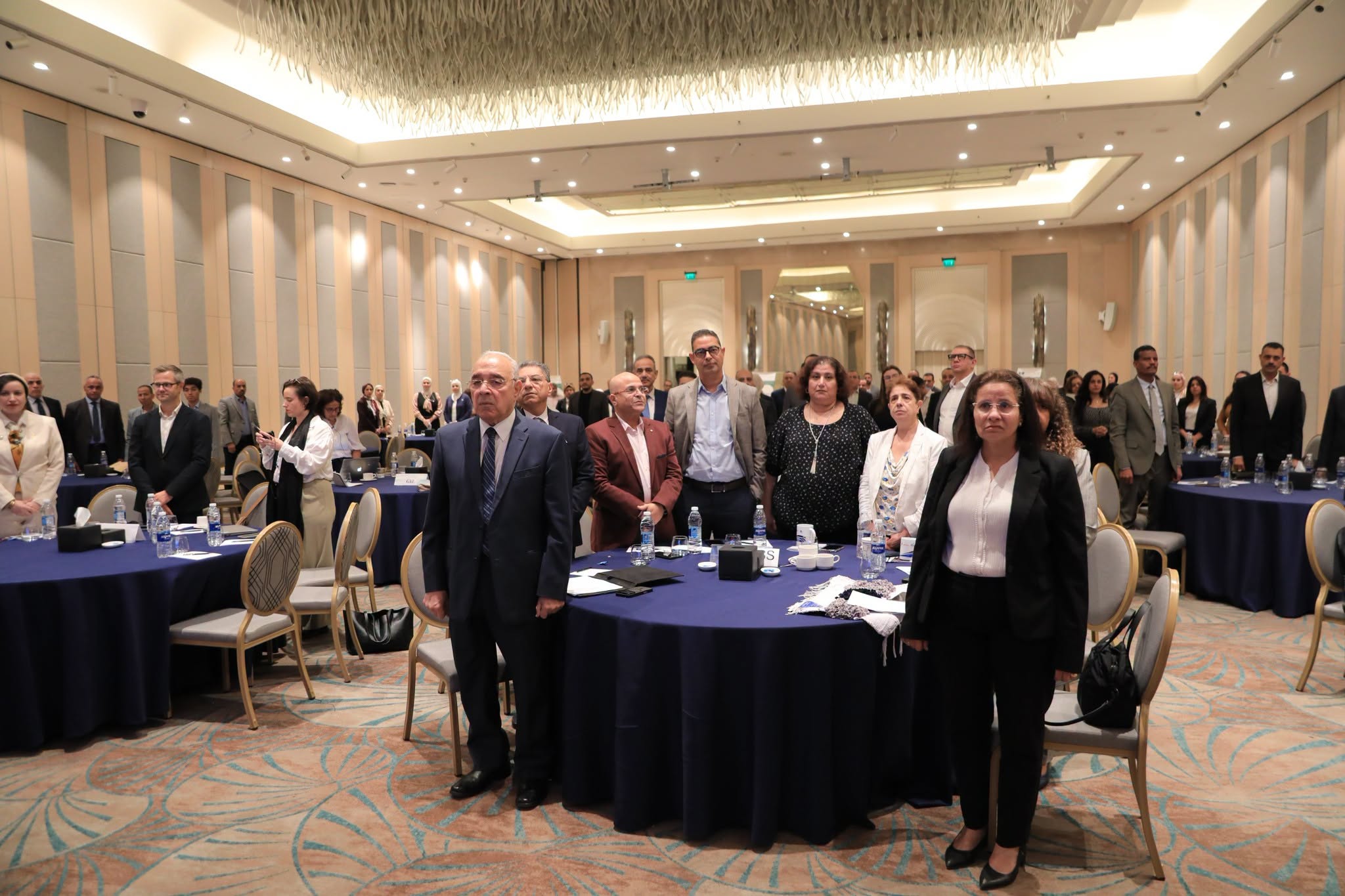
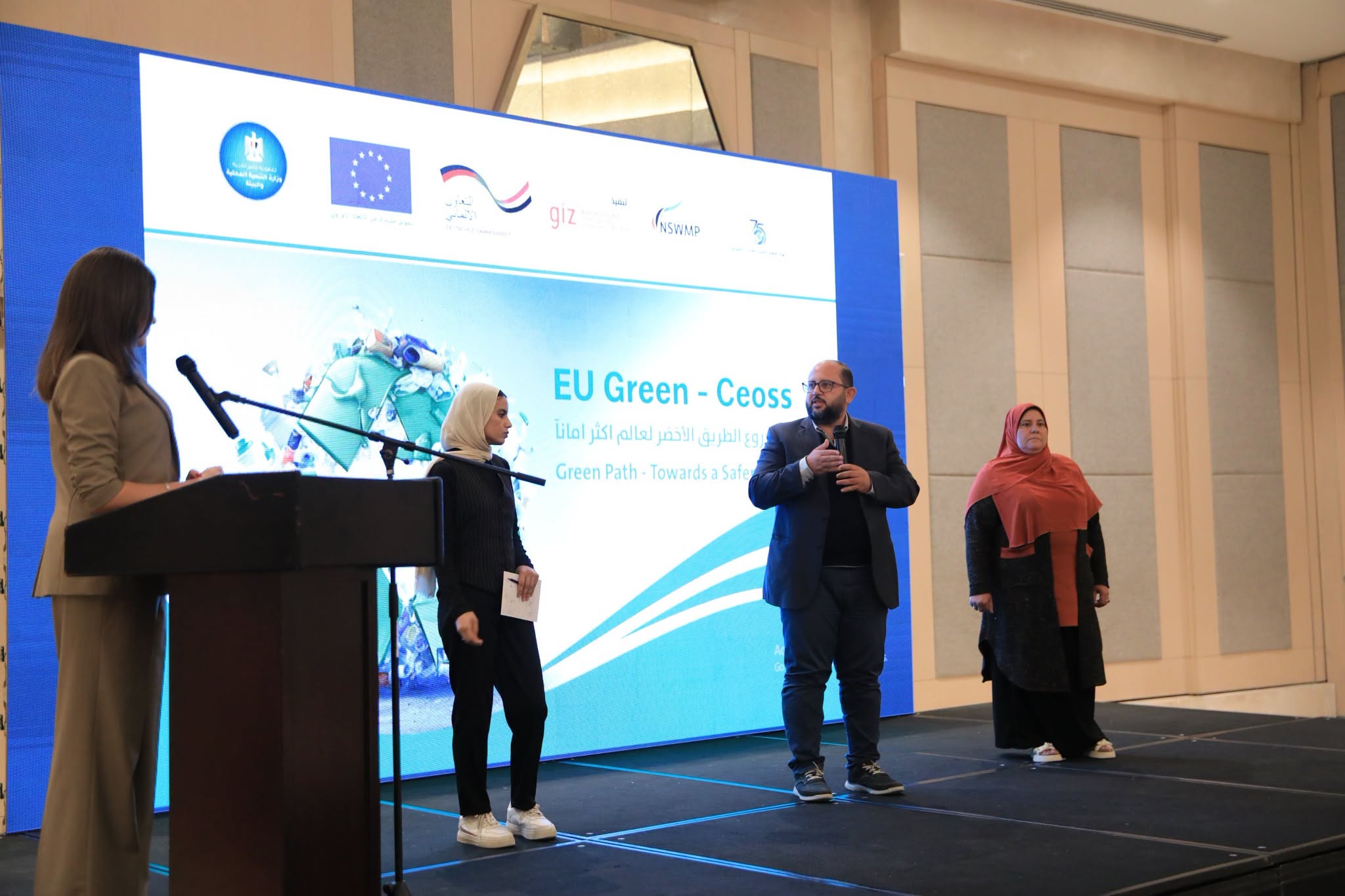
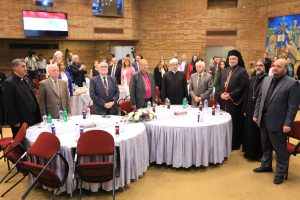
The Coptic Evangelical Organization for Social Services (CEOSS) held the closing event of the EU Green project, “Green Path – Towards a Safer World,” on Wednesday, bringing together executive officials, representatives of the relevant ministries, international institutions, and partner civil society organizations.
The project is part of the EU Green programme, jointly funded by the European Union and the German government and implemented by Deutsche Gesellschaft für Internationale Zusammenarbeit (GIZ), in cooperation with the Ministries of Local Development and Environment and in partnership with CEOSS. It supports sustainable development efforts and empowers civil society organizations to play an active role in protecting the environment and improving quality of life in local communities.
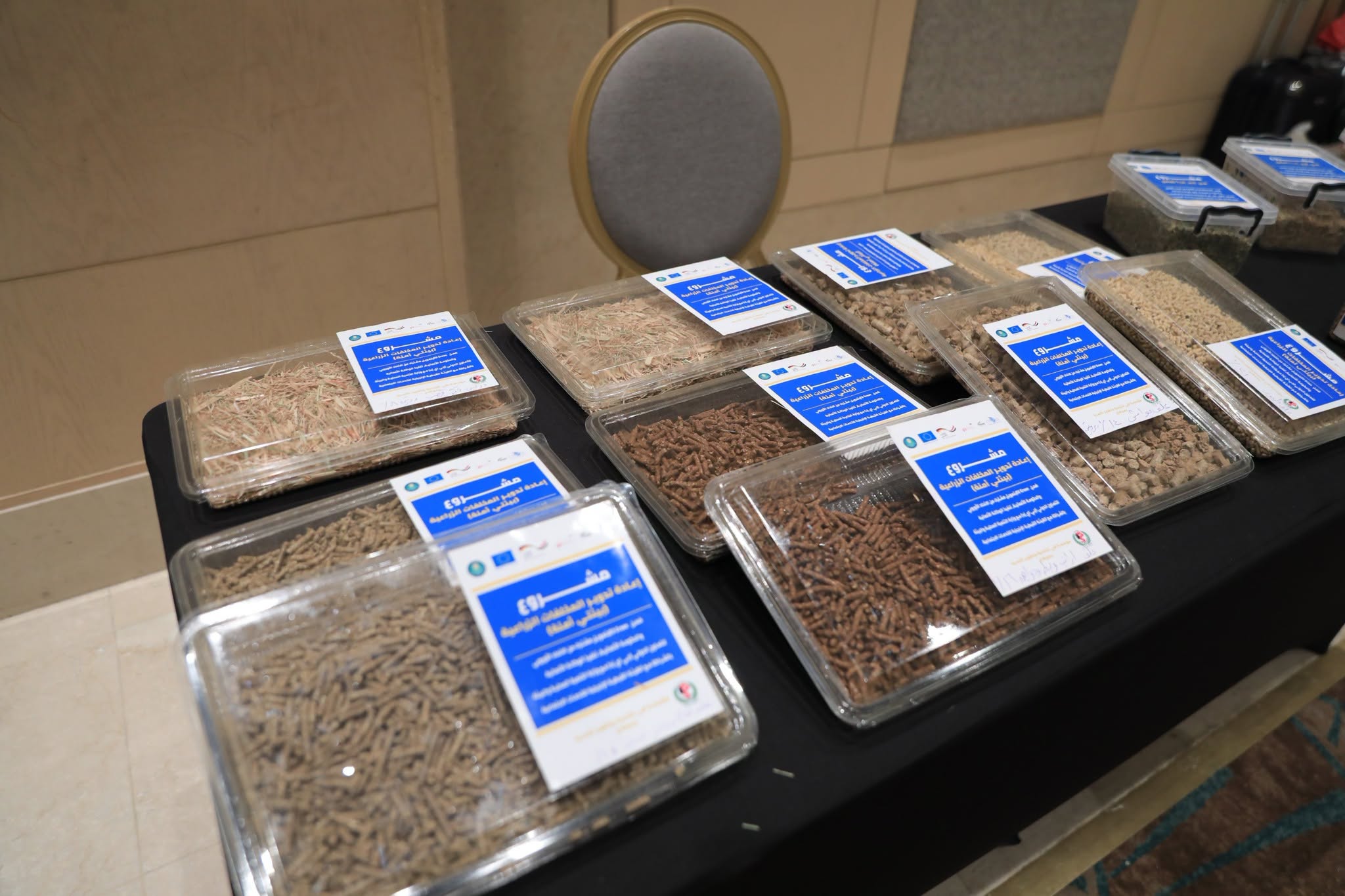
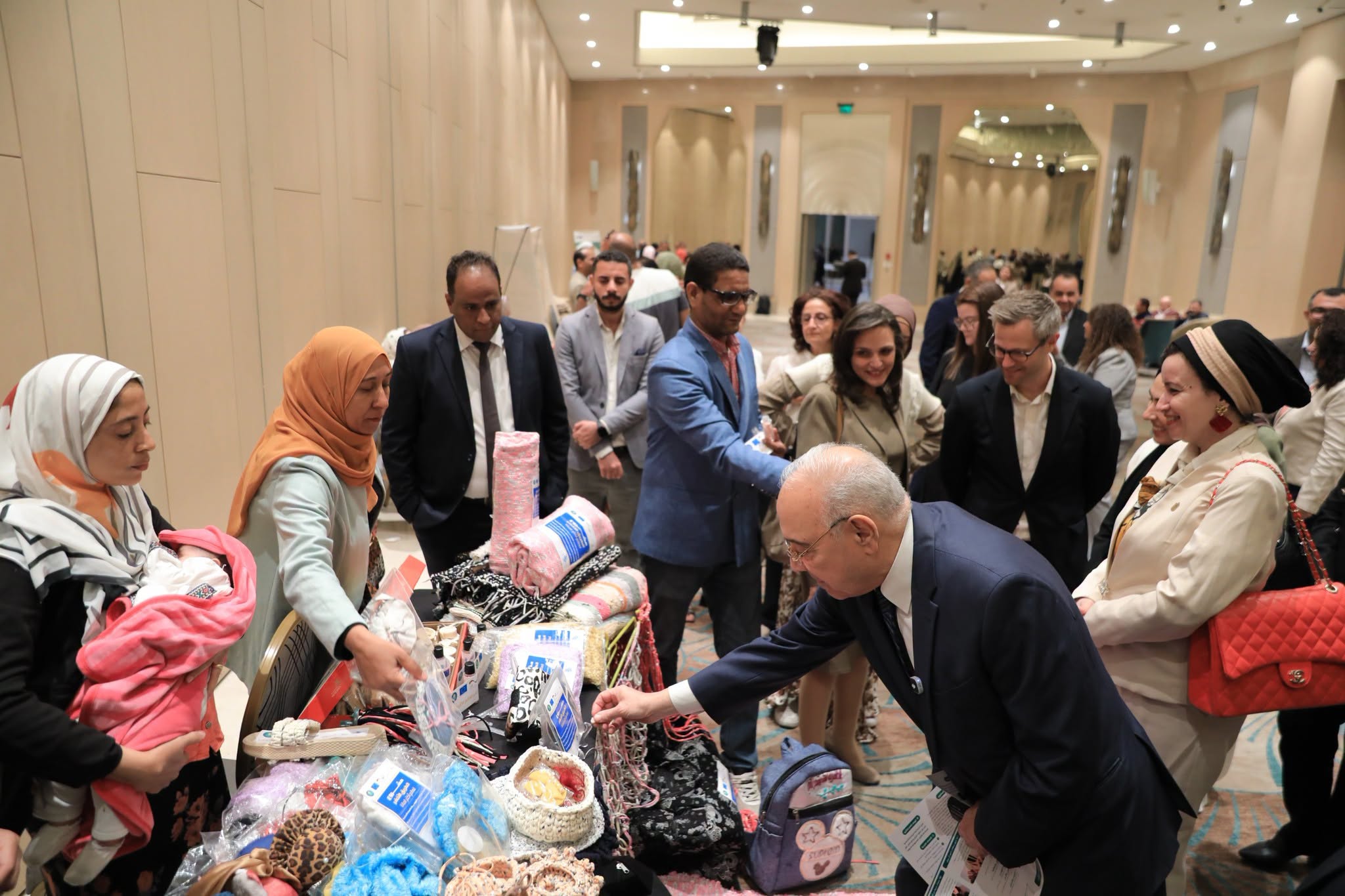
The event highlighted the project’s main results and the experiences of partner organizations in implementing environmental initiatives. It also featured beneficiaries’ stories, the challenges they faced, and lessons learned from efforts to raise environmental awareness, improve the management and recycling of solid and agricultural waste, and adapt to the impacts of climate change.
In his remarks, Mr. Momtaz Beshay, Vice President of CEOSS, highlighted the project’s importance in supporting environmental initiatives and strengthening the role of civil society organizations. He emphasized that successful development projects depend on partners’ ability to coordinate their efforts, reach local communities, and respond to their actual needs.
He added that equipping civil society organizations with the knowledge and tools needed to implement initiatives is a fundamental step toward sustainable development. He noted that lasting impact requires continued capacity building, stronger community participation, and opportunities to develop initiatives and extend their benefits.
Mr. Andreas Rupp, Business Sector and Green Transformation Coordinator and EU Green Project Manager within GIZ’s National Solid Waste Management Programme in Egypt, discussed the importance of cooperation between national institutions and development partners in supporting practical solutions to environmental and climate challenges.
He stressed that effective partnerships and the exchange of expertise and knowledge help strengthen local communities’ capacities, improve working methods, and support initiatives whose results can be built upon to sustain environmental protection efforts and advance sustainable development.
Dr. Mona Shehab, Director of the National Solid Waste Management Programme, representing the Ministry of Local Development and Environment, also addressed the importance of local environmental initiatives and the role of civil society organizations in supporting national efforts to protect the environment and address the impacts of climate change.
She noted that coordinated government, institutional, and community efforts help spread environmental awareness, encourage citizen participation, and develop practical waste management models that can be replicated and expanded within local communities.
Eng. Lamiaa Saeed, representing GIZ, also participated in the event as part of the cooperation among project partners to support environmental initiatives and strengthen the capacities of civil society organizations, contributing to sustainable development in local communities.
The project strengthened the capacities and developed the skills of 14 civil society organizations and associations in Gharbia, Assiut, and Qena governorates, enabling them to design and implement environmental initiatives that respond to local community needs.
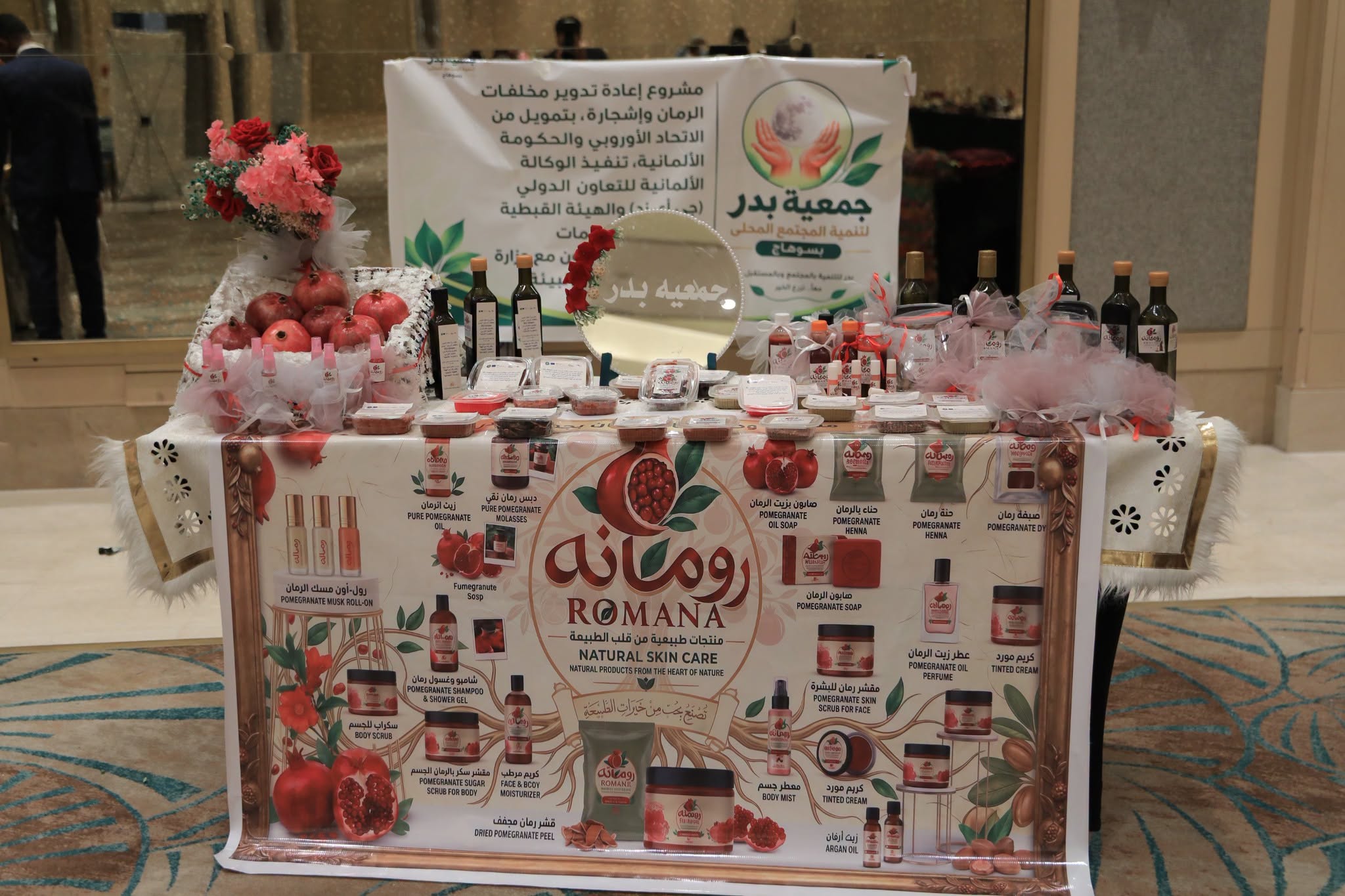
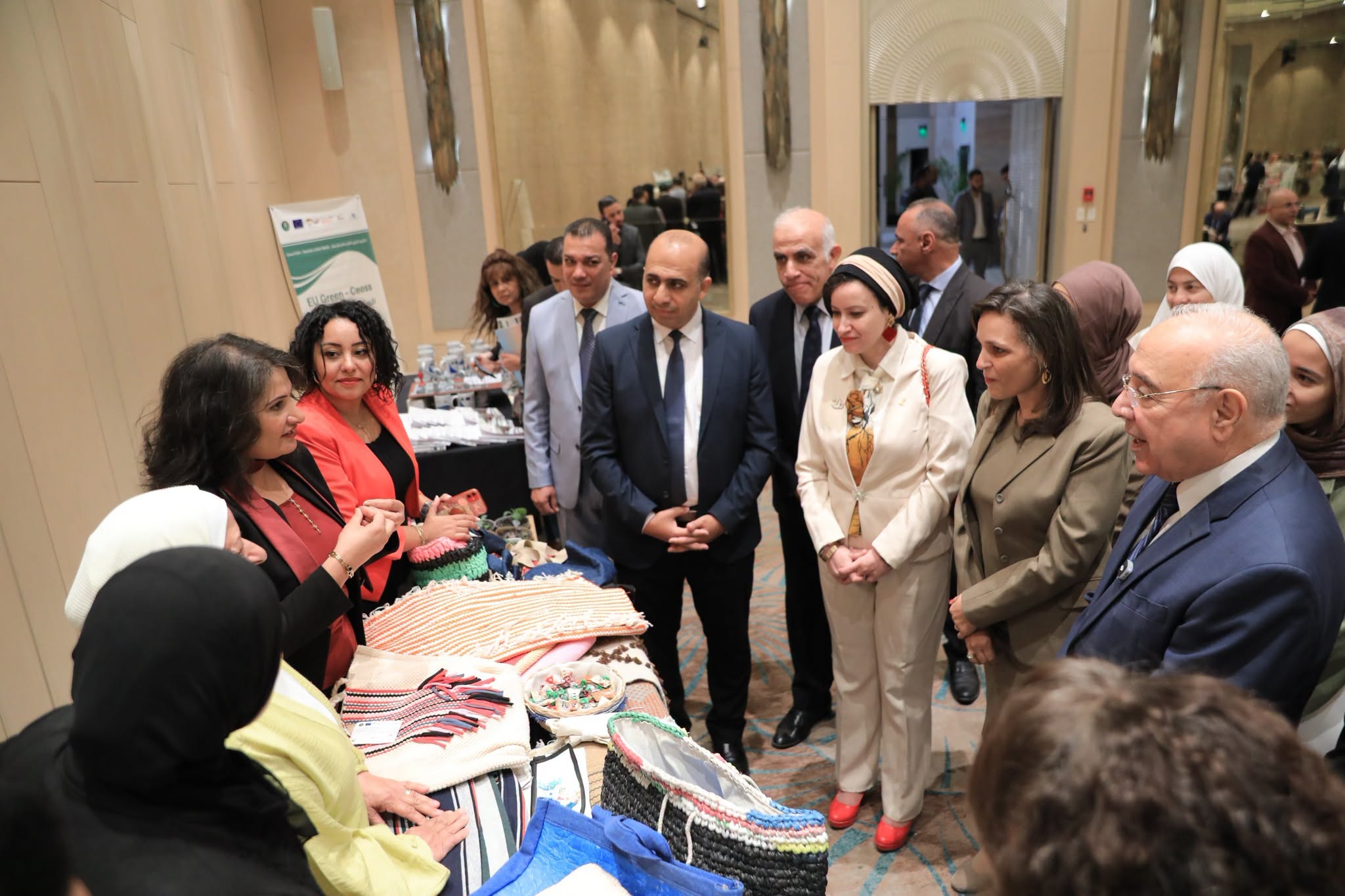
The initiatives focused on managing and recycling solid and agricultural waste, raising environmental awareness among citizens, strengthening community participation, and supporting efforts to adapt to climate change and reduce its impacts on the environment and society.
Activities ranged from awareness campaigns and community outreach to efforts encouraging citizens to engage with environmental issues. These initiatives demonstrated the important role of civil society organizations in translating knowledge into practical action and promoting a culture of shared responsibility for environmental protection.
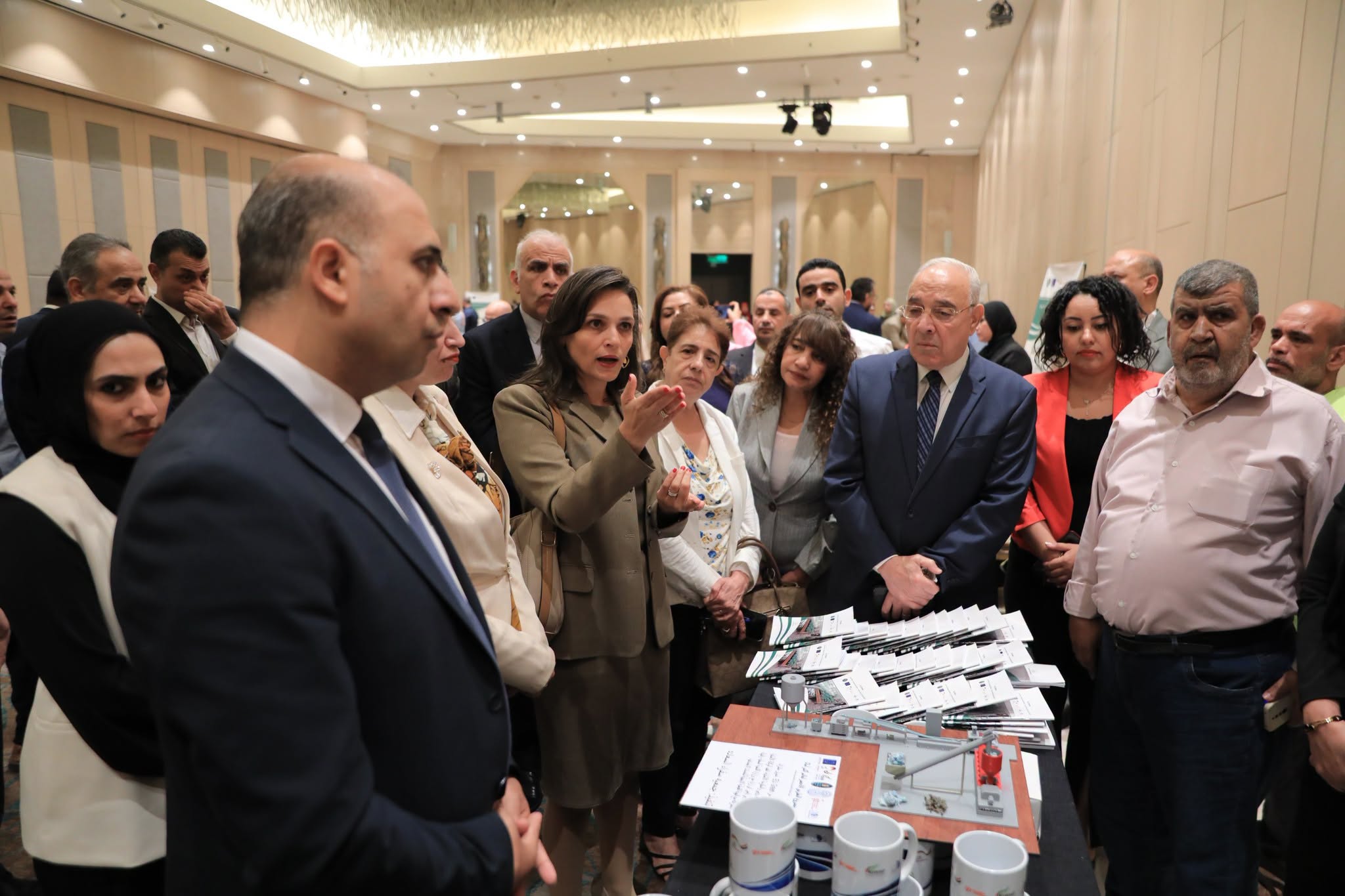
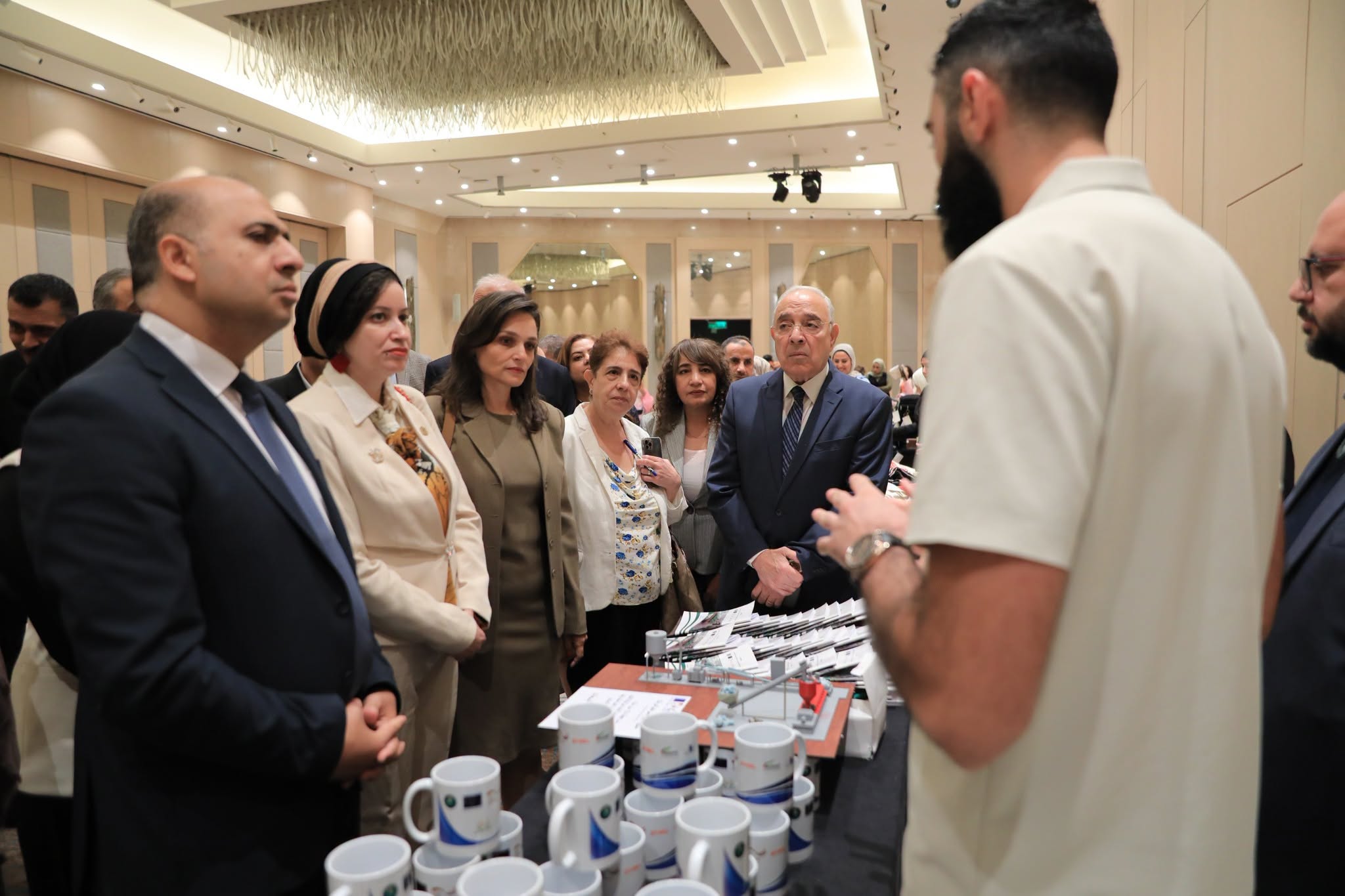
To sustain knowledge and support capacity building, the project produced five specialized awareness guides covering waste management, recycling project management, project financial management, climate change, and machinery and equipment maintenance and operation.
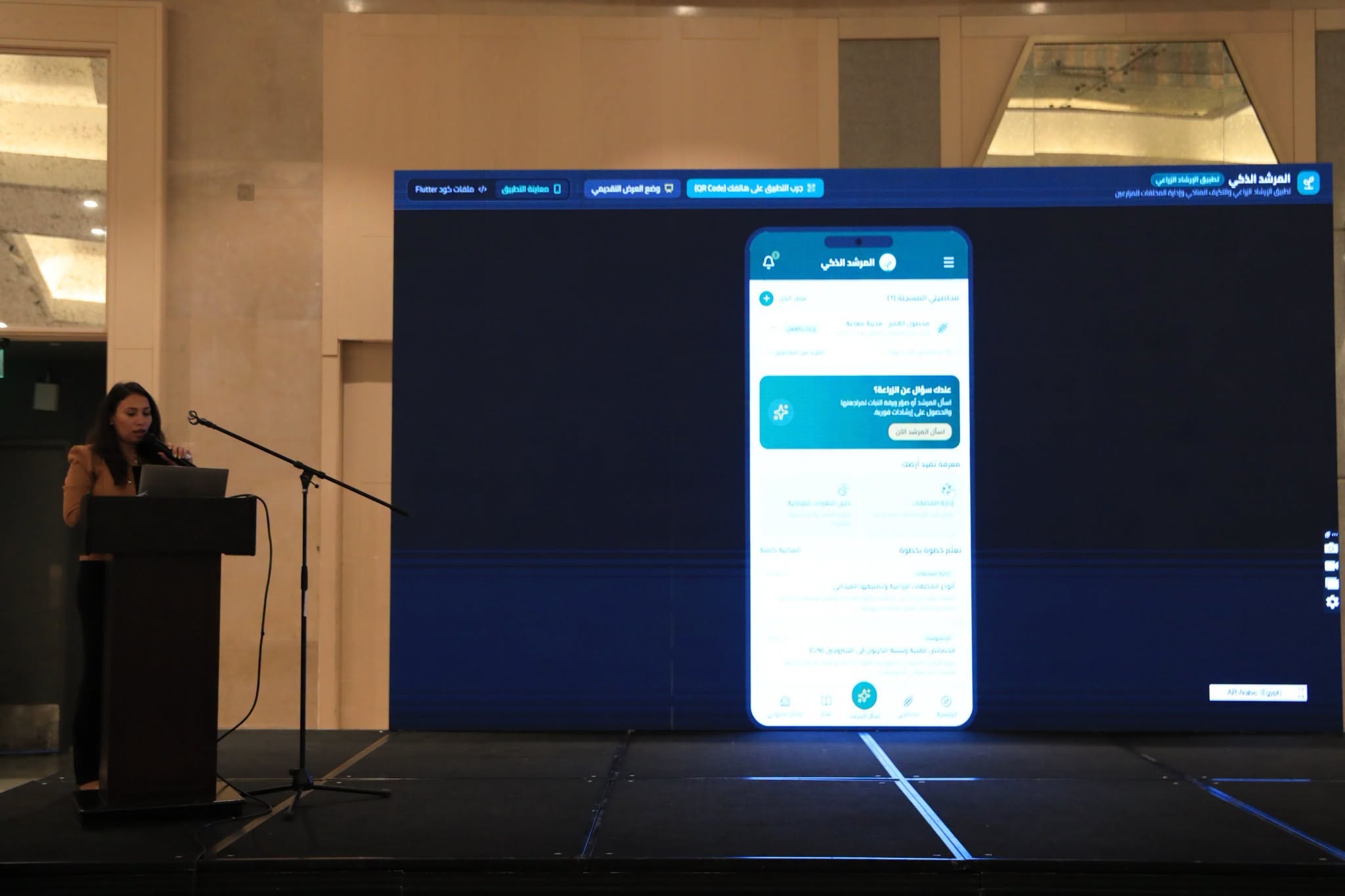
The event also marked the launch of the upgraded “Smart Guide” app, redesigned to be more user-friendly and provide information and guidance on waste management and climate change.
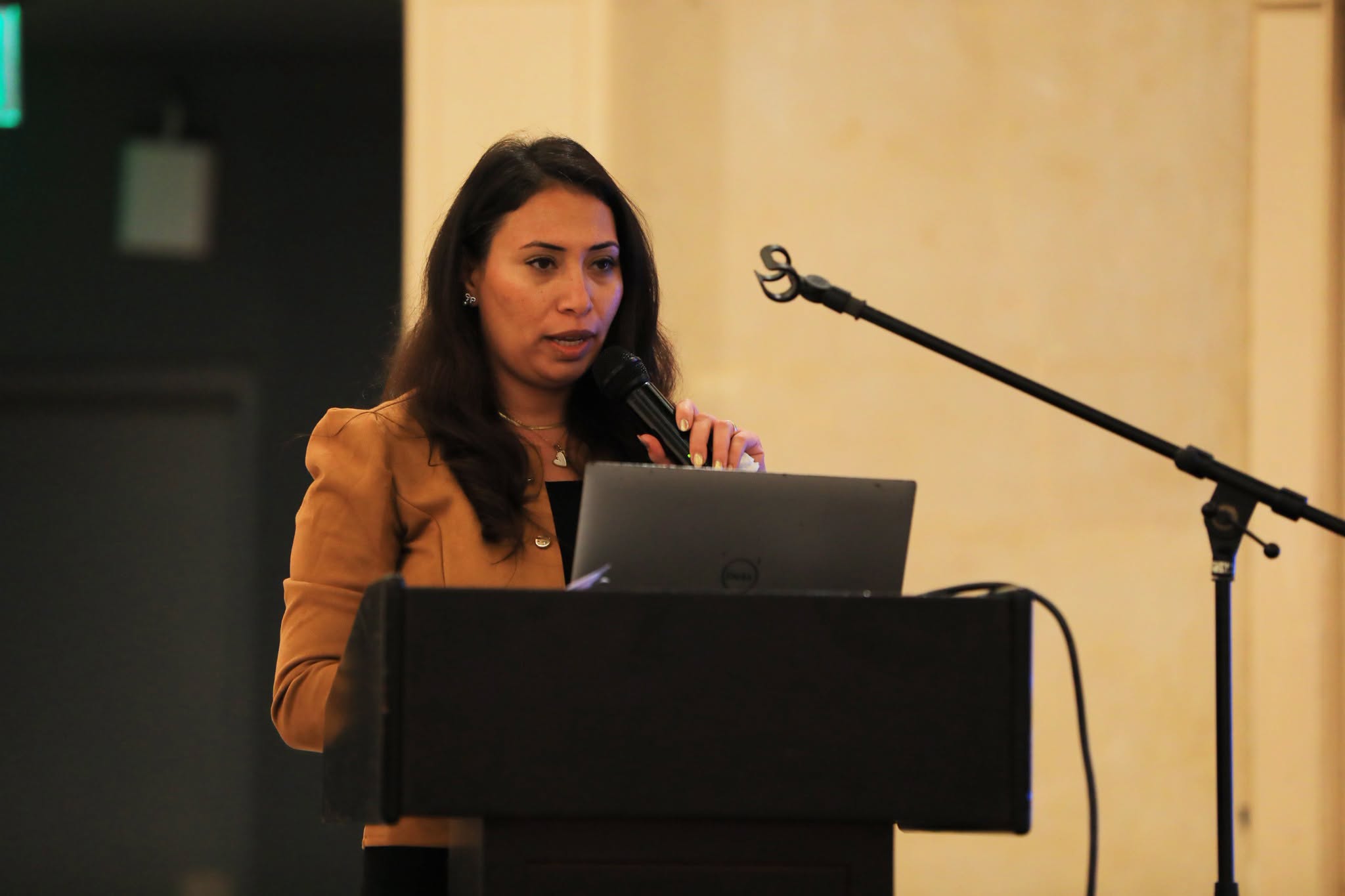
Eng. Marian Metry, a member of the project team, presented the app and its features, explaining its role in facilitating access to environmental knowledge and supporting local initiatives. She highlighted how digital solutions can help raise awareness and promote sustainable environmental practices.
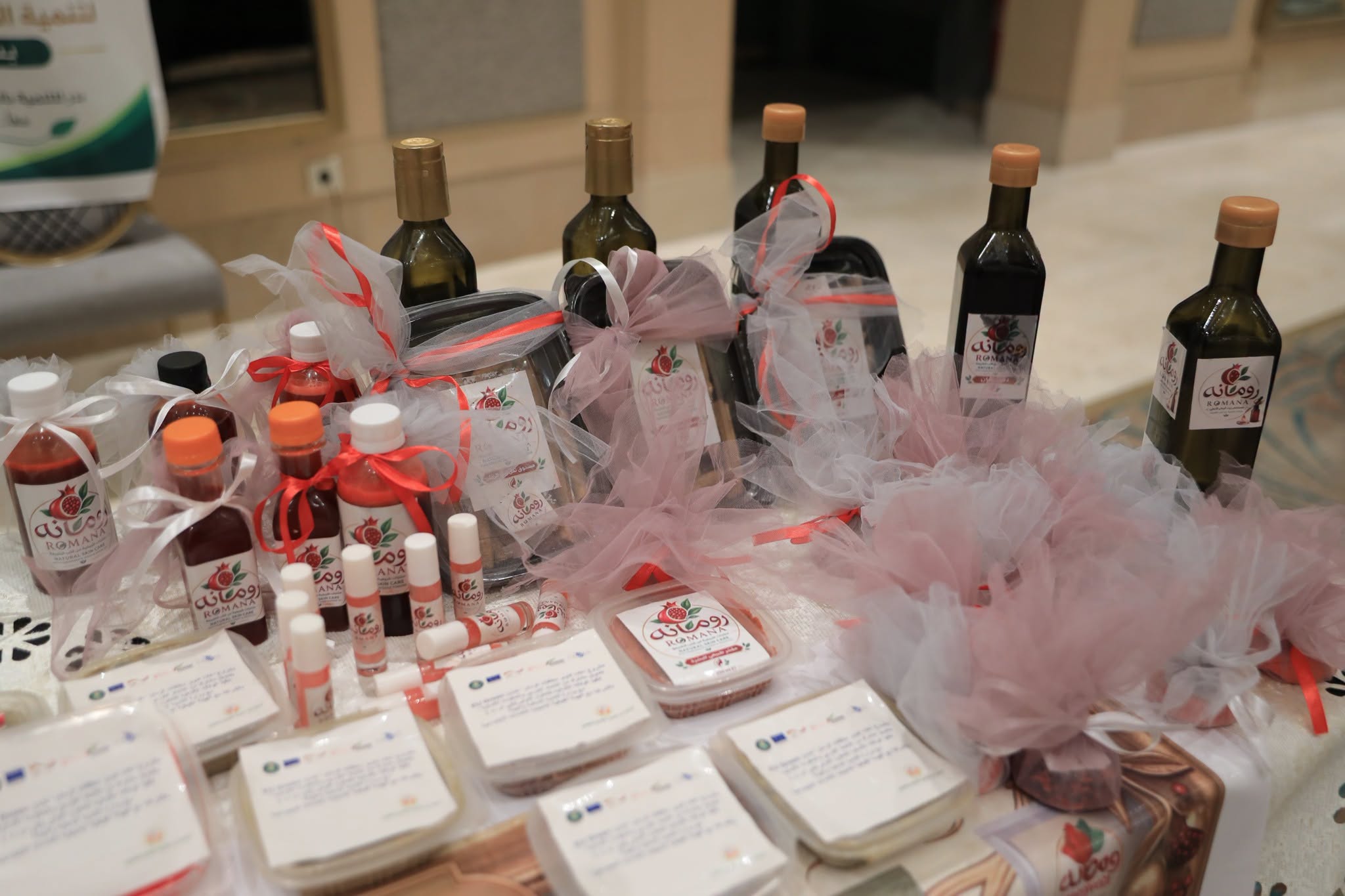
The event also showcased success stories from civil society organizations in the participating governorates. Beneficiaries shared their experiences of the changes the initiatives brought to their communities, the challenges they encountered, and proposed ways to sustain and develop the initiatives after the project’s conclusion.
The event concluded by emphasizing the importance of continued cooperation among national institutions, development partners, and civil society organizations, while building on the project’s results and experience to sustain environmental initiatives, strengthen communities’ ability to address challenges, and improve quality of life.