Dr. Rev. Andrea Zaki:
The Family Is the Primary Incubator of National Identity, and Supporting It Is a Shared National Responsibility
His Eminence Dr. Osama Al-Azhari:
The Family Is the First Institution in Building the Individual, and Children’s Addiction to Smart Devices Is Among the Most Serious Challenges
Counselor Amal Ammar:
The Family Is “the Nation in Its First Form,” and Women’s Empowerment Is Key to Its Stability
Ambassador Alaa Youssef:
Strengthening the Role of the Family Is a National Priority, and Egypt Is a Model of Diversity and Social Cohesion
Cairo, July 20, 2026
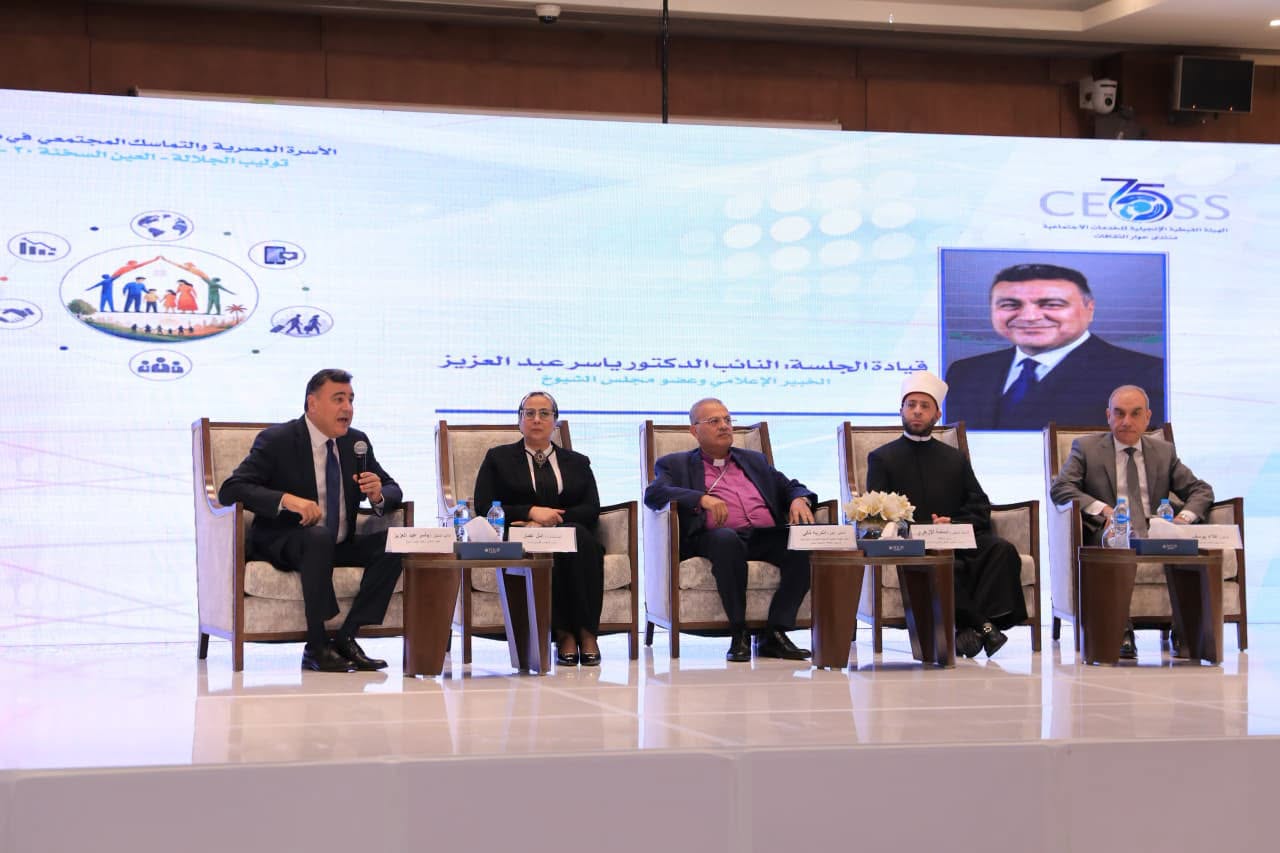
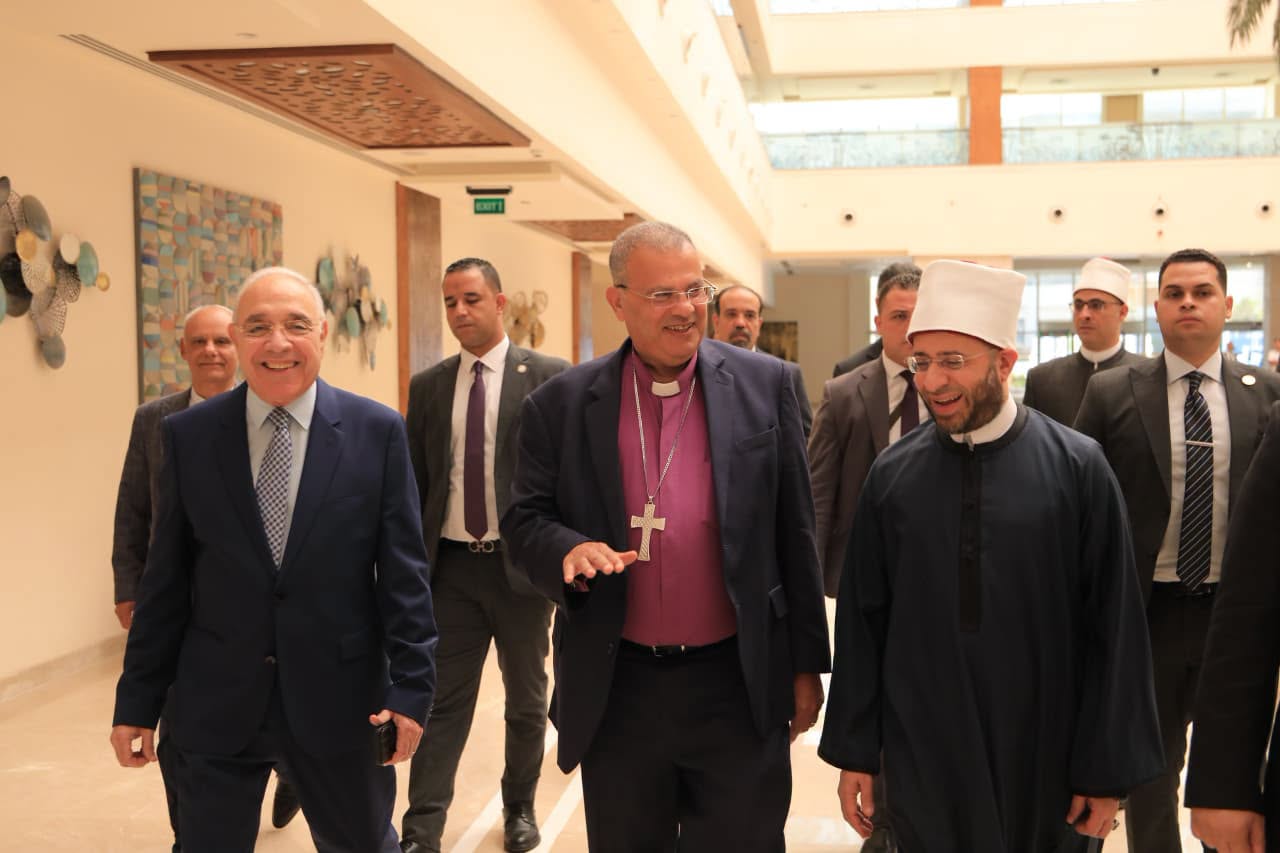
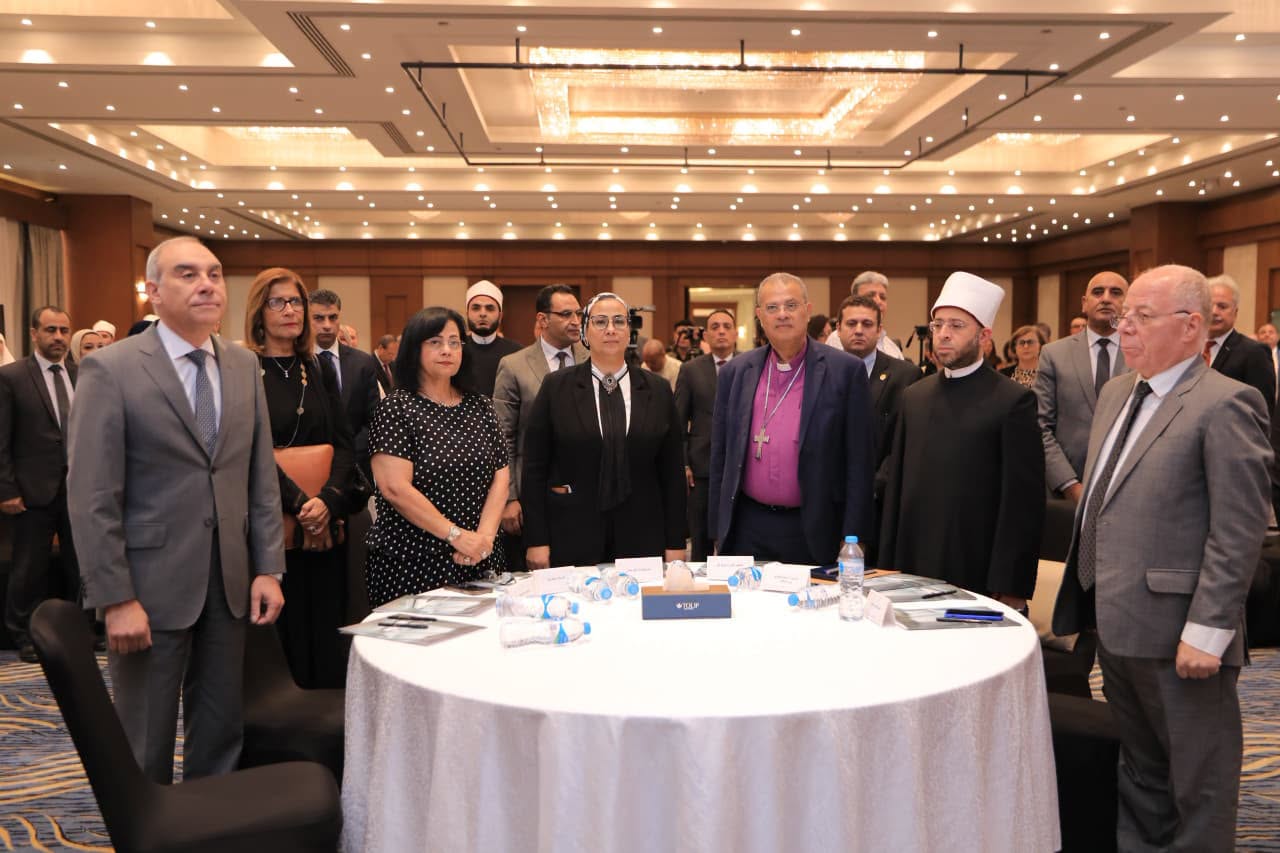
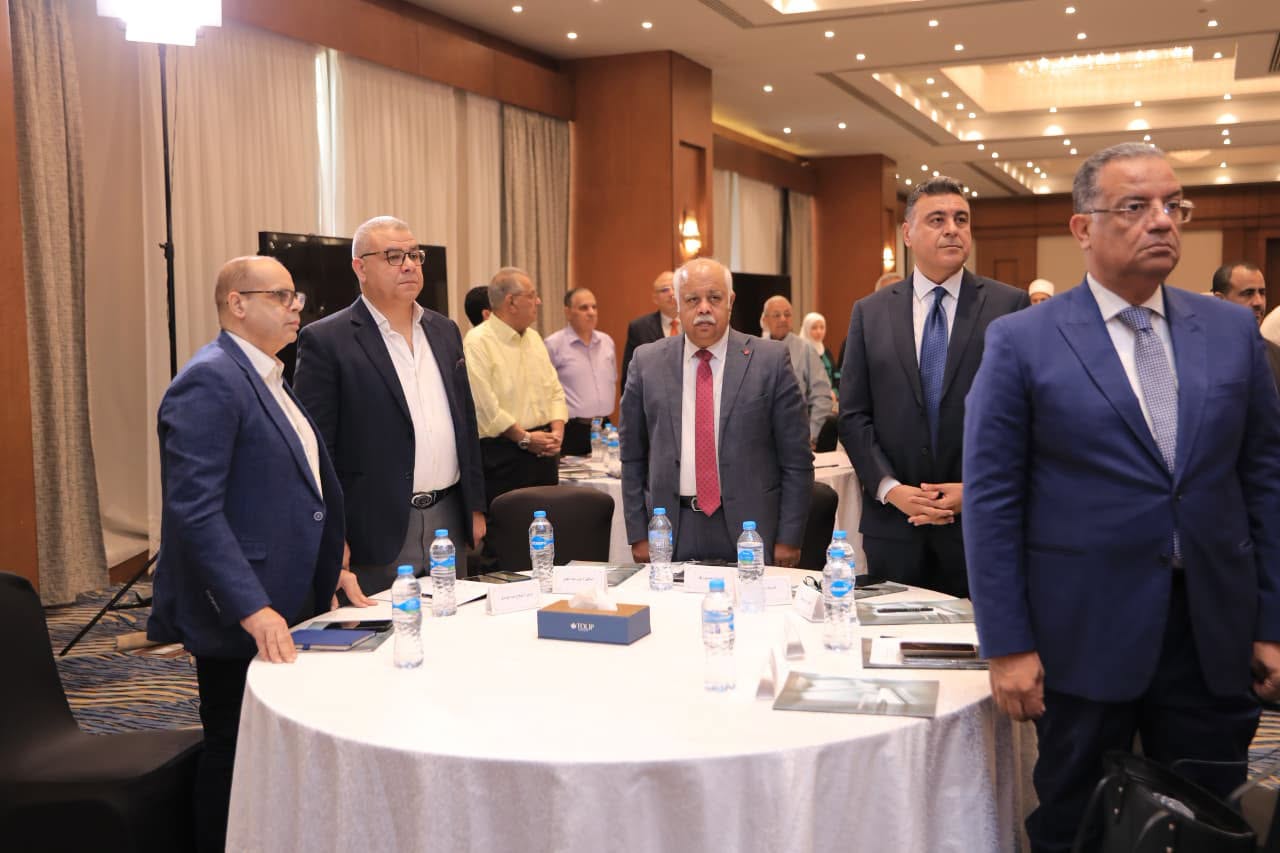
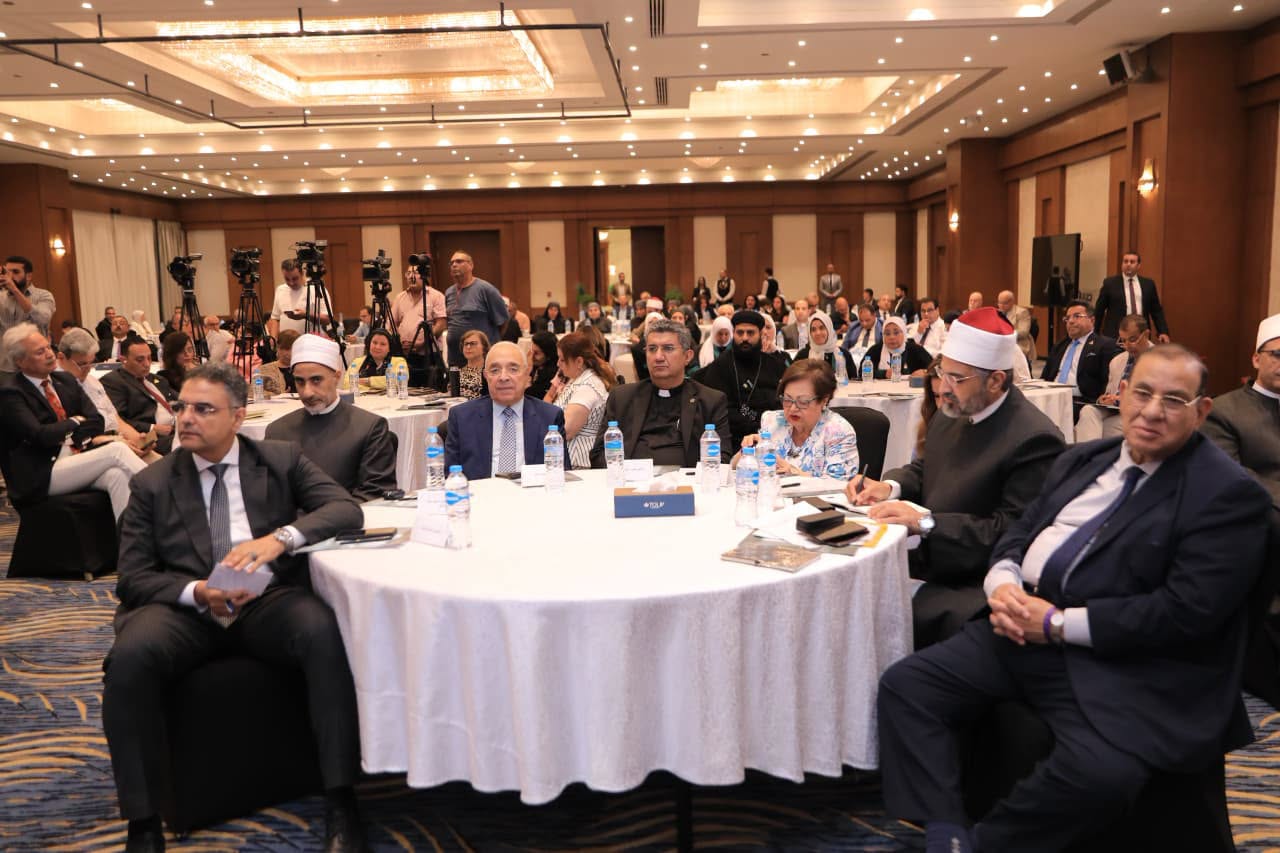
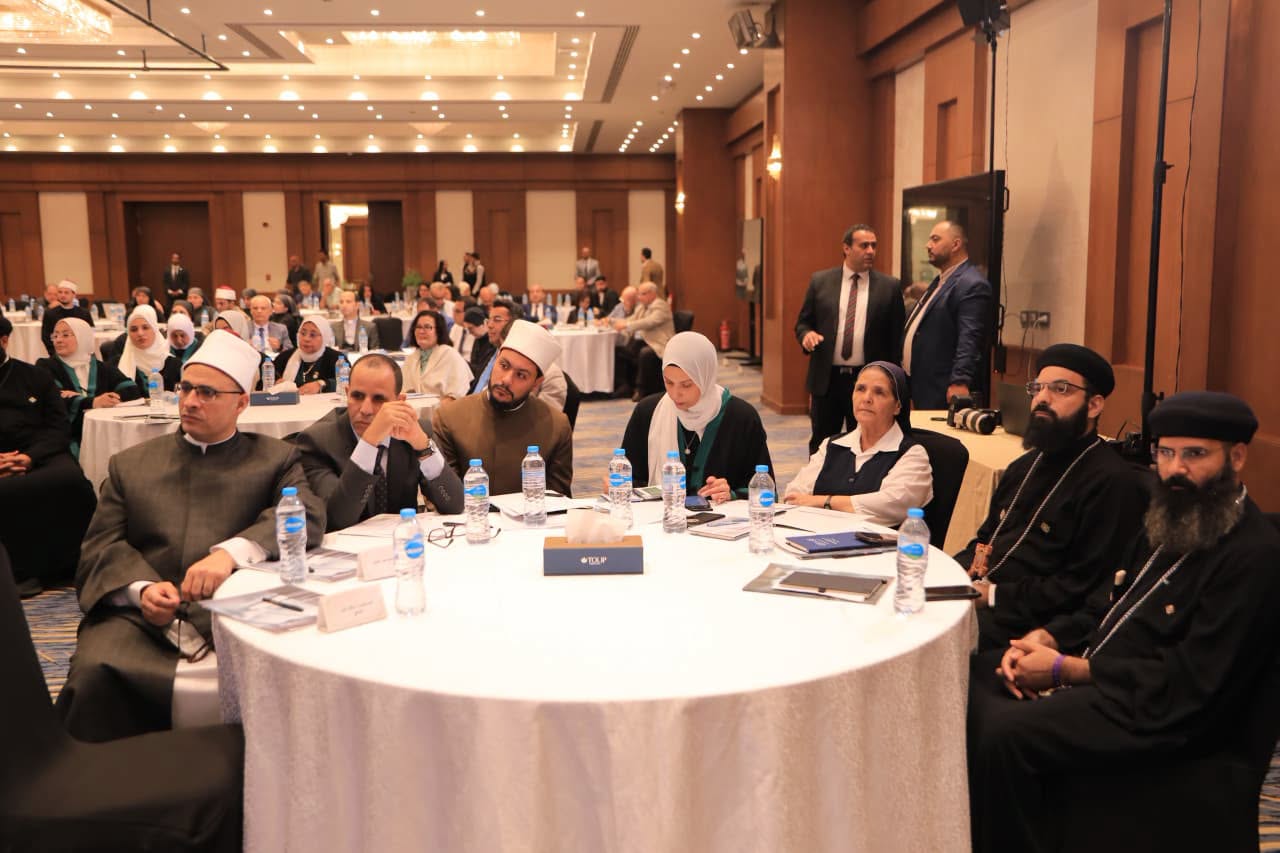
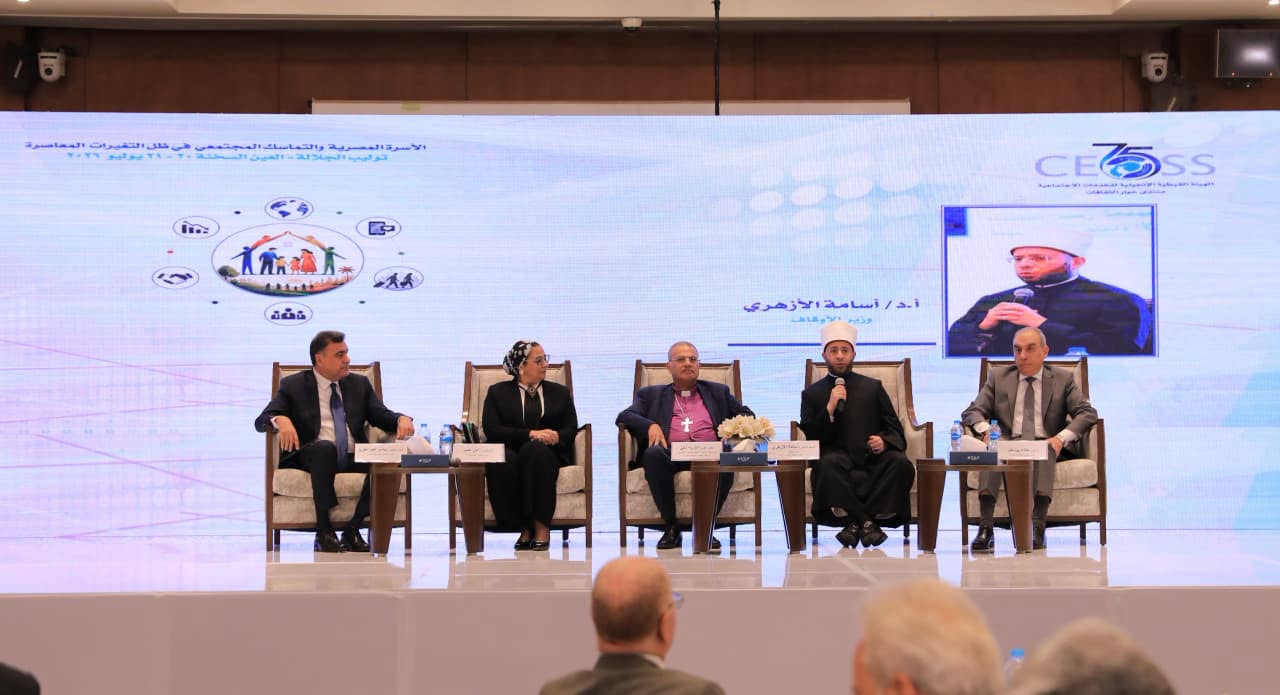
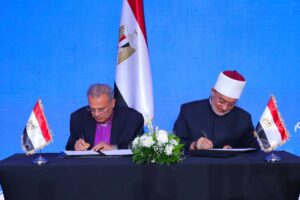
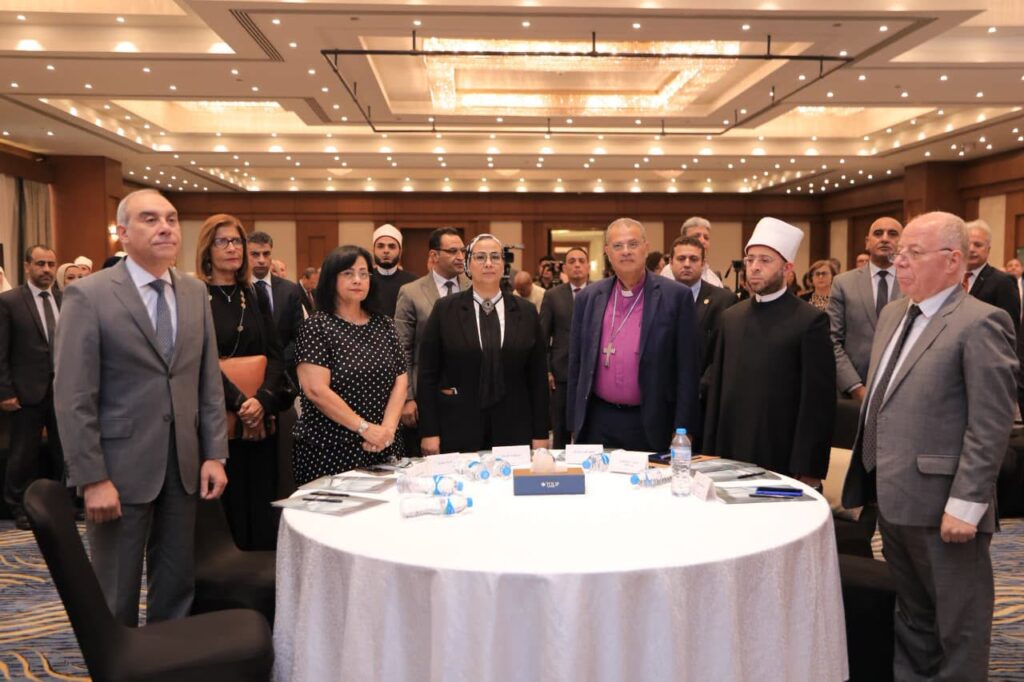
Dr. Rev. Andrea Zaki, President of the Evangelical Community in Egypt and President of the Coptic Evangelical Organization for Social Services, and Dr. Osama Al-Azhari, Minister of Awqaf, attended the opening of the “Egyptian Family and Social Cohesion Amid Contemporary Changes” Conference.
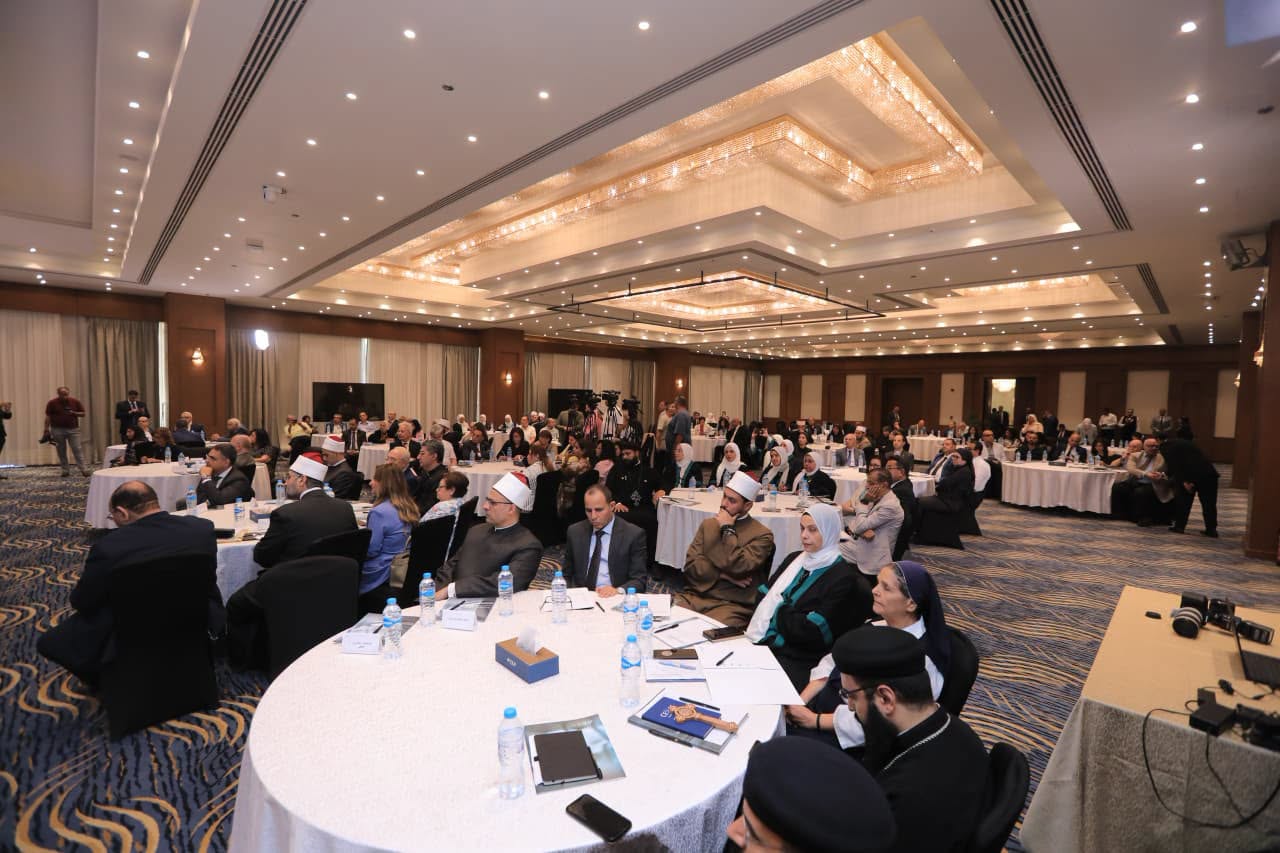
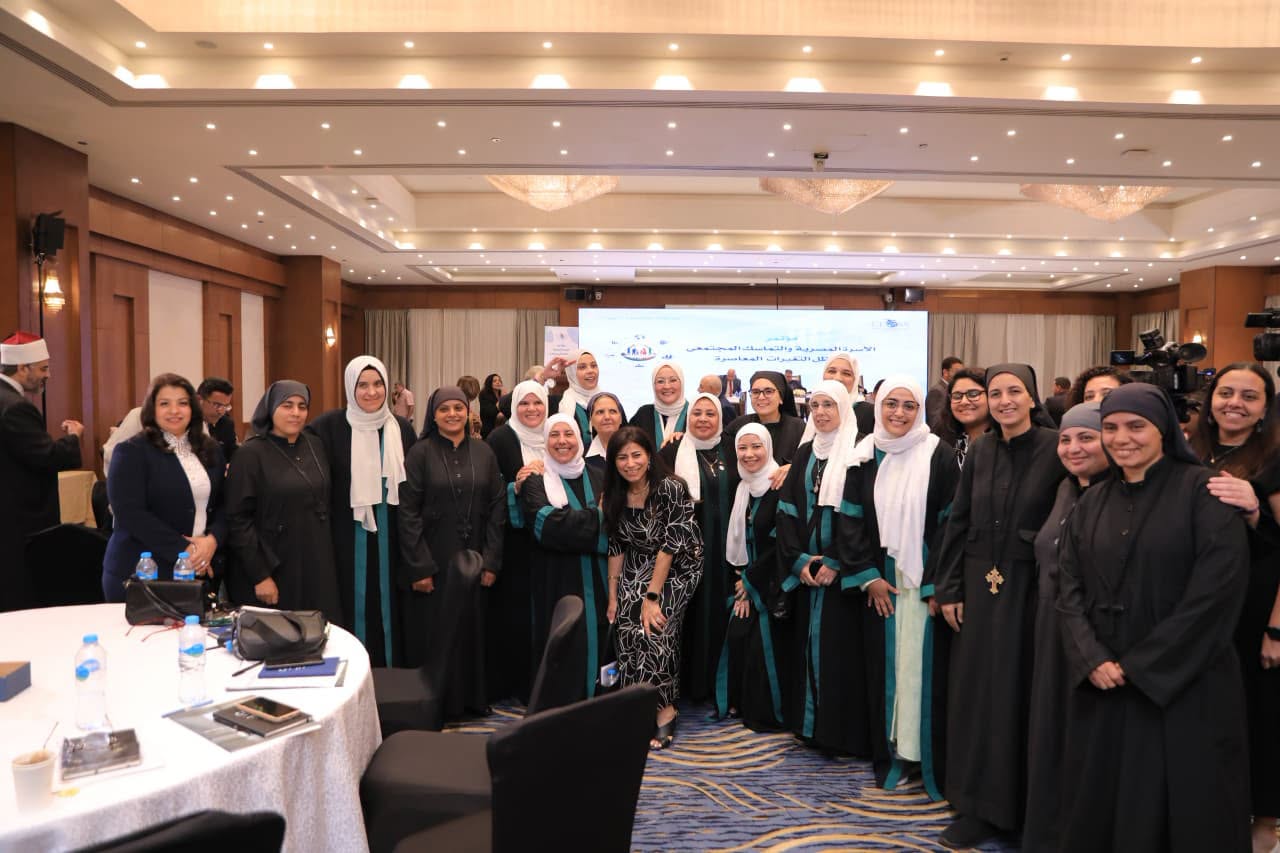
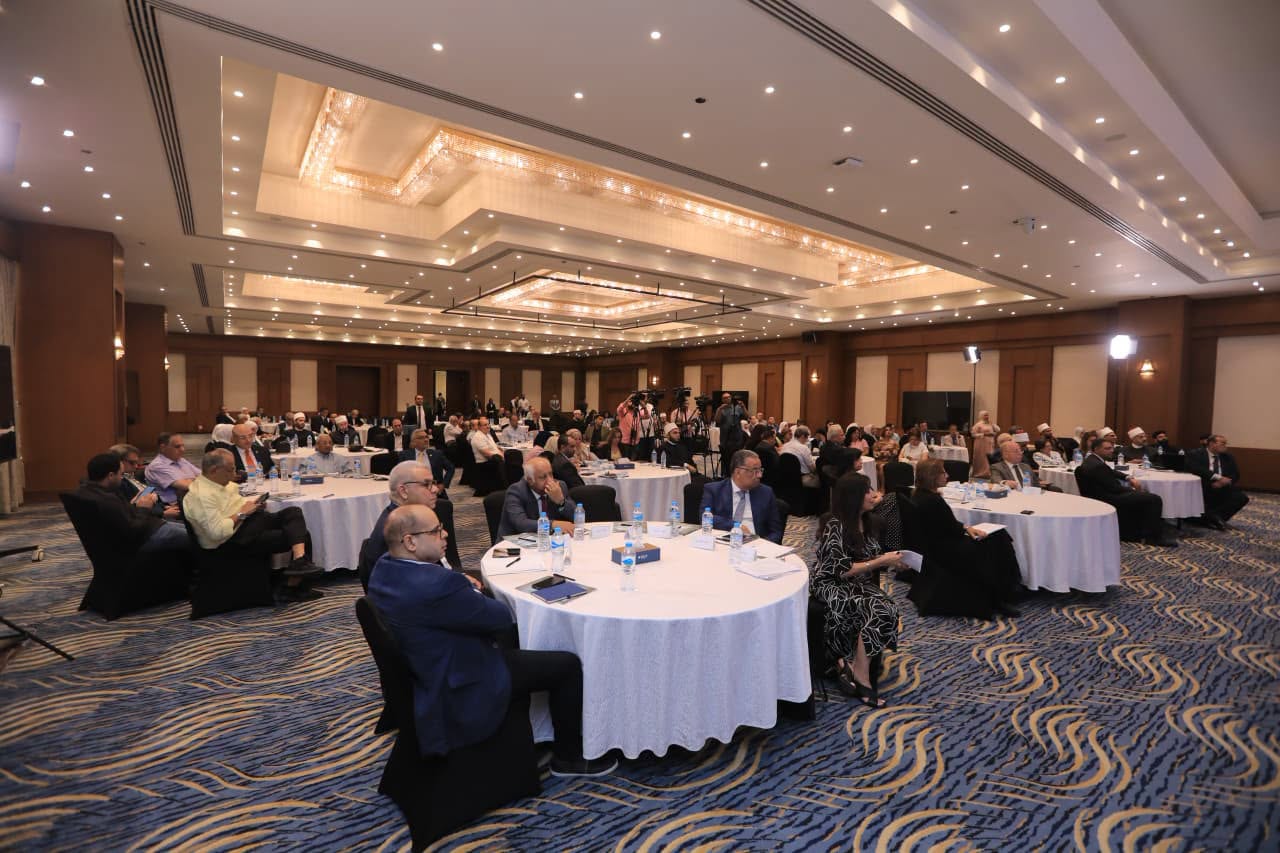
The conference was organized by the Coptic Evangelical Organization for Social Services through the Forum for Intercultural Dialogue, with the participation of religious, national, parliamentary, academic, and media leaders.
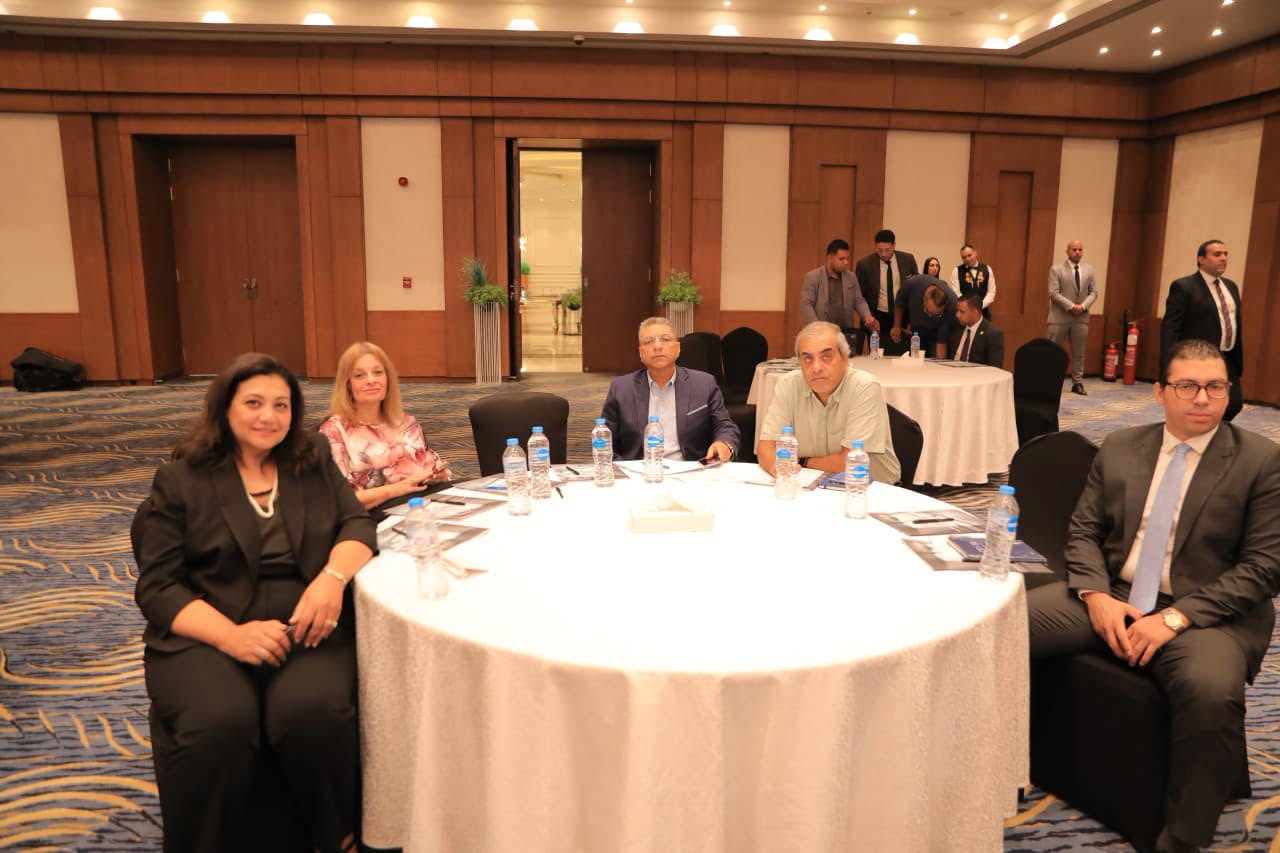
The opening session was attended by Ambassador Alaa Youssef, Chairman of the State Information Service, and Counselor Amal Ammar, President of the National Council for Women. The session, entitled “The Family and National Identity,” was moderated by Dr. Yasser Abdel Aziz, a member of the Senate.
Dr. Rev. Andrea Zaki stated that the family is the first institution in which individuals learn belonging, responsibility, and respect for others. He stressed that a strong national identity begins with a strong family, that social cohesion is built upon family cohesion, and that supporting the family is a shared national responsibility requiring the coordinated efforts of the state and educational, religious, and media institutions.
He added that the Coptic Evangelical Organization believes that investing in people is the true gateway to building society. He explained that the conference seeks to promote dialogue among national, religious, academic, and media institutions, as well as civil society organizations, with the aim of strengthening family stability and reinforcing national identity and social cohesion.
For his part, Dr. Osama Al-Azhari, Minister of Awqaf, explained that the family is the first institution responsible for building the individual and that this responsibility is shared among the family, educational institutions, religious institutions, the media, the wider community, and public behavior.
He also praised the role of the Coptic Evangelical Organization in serving society and promoting national dialogue.
The Minister of Awqaf warned against children’s addiction to smart devices, emphasizing that excessive use may lead to social isolation and widen the gap between children, their families, and society.
Ms. Samira Luka, Head of the Dialogue Sector at the Coptic Evangelical Organization for Social Services, opened the conference program and highlighted the importance of dialogue on family issues and the family’s role in human development and the promotion of social cohesion.
In her remarks, Counselor Amal Ammar, President of the National Council for Women, described the Egyptian family as “the nation in its first form” and the first line of defense against extremism and violence. She stressed that preserving its stability is a shared national responsibility.
She noted that women’s empowerment is one of the most important keys to family stability and that investing in women is an investment in the nation’s future.
Ambassador Alaa Youssef, Chairman of the State Information Service, stressed that strengthening the role of the family is a national priority and that the state places Egyptian citizens and families at the forefront of its priorities.
He added that pluralism and diversity are sources of strength for Egyptian society and that Egypt represents a model for preserving social cohesion and the unity of the national fabric.
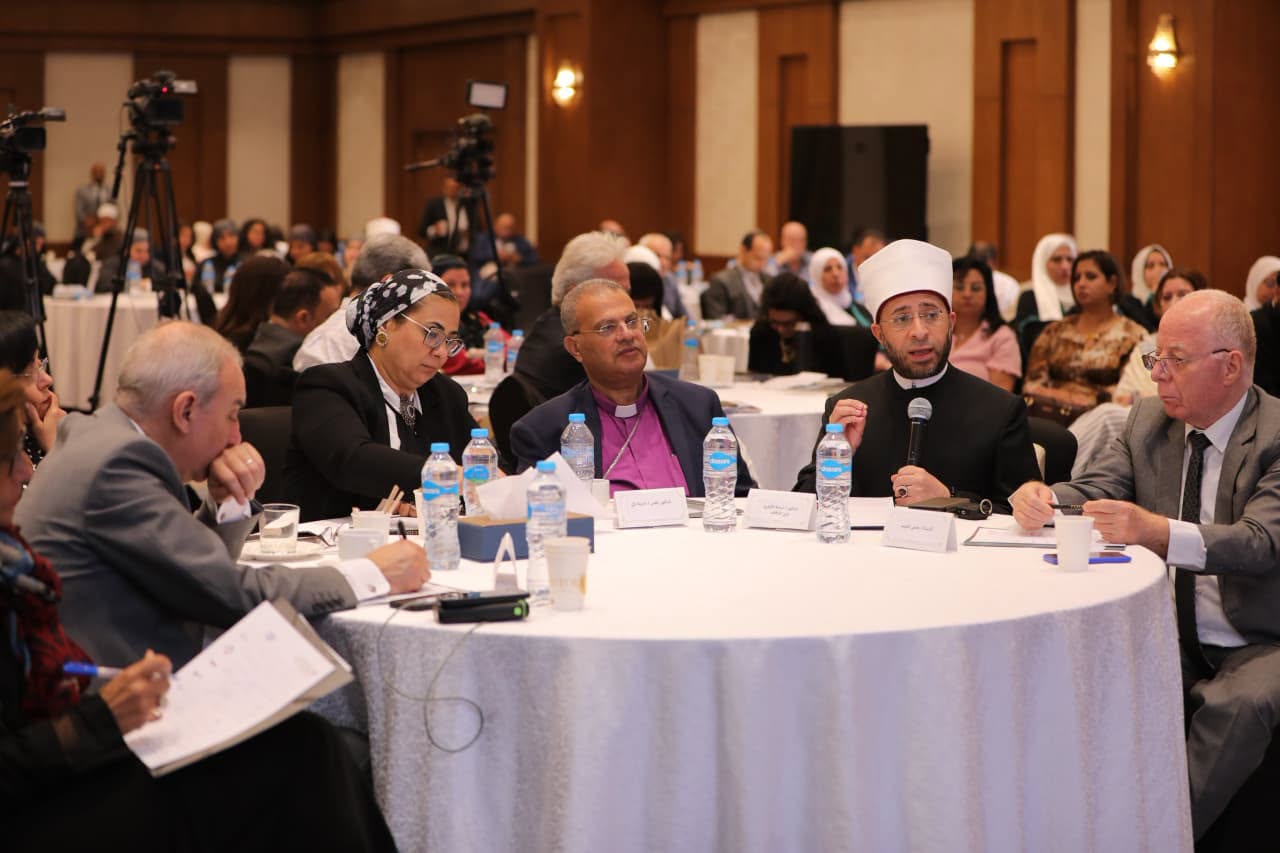
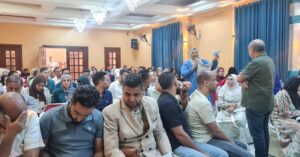
The opening session featured an open discussion and active engagement between the audience and the speakers. The discussion addressed several issues and challenges facing Egyptian families and explored ways to strengthen their role in human development, reinforce national identity, and promote social cohesion.
The conference continued with a session entitled “Family-Supportive Policies: Current Realities and Future Aspirations,” moderated by journalist Hamdy Rizk. The session featured Dr. Tarek Radwan, Chairman of the Human Rights Committee in the House of Representatives, and Dr. Howaida Adly, Professor of Political Science and a member of the National Council for Human Rights.
On its second day, the conference also discussed “Contemporary Challenges, Their Impact on the Family, and Mechanisms for Addressing Them.” The session was moderated by Ms. Ola El-Shafie, Chairperson of Youm7 newspaper and website, with the participation of Dr. Amr El-Wardany, Chairman of the Religious Affairs Committee in the House of Representatives, and Rev. Amir Tharwat, President of the Evangelical Synod of the Nile.
The conference concluded with a session entitled “A Future Vision to Strengthen the Family’s Role in Achieving Social Cohesion,” moderated by Dr. Mahmoud Mosallam, a member of the Senate. Participants included Dr. Saeed El-Masry, Professor of Sociology and former Secretary-General of the Supreme Council of Culture, and Dr. Hanan Girgis, Deputy Chief Executive Officer of the Egyptian Center for Public Opinion Research, Baseera.