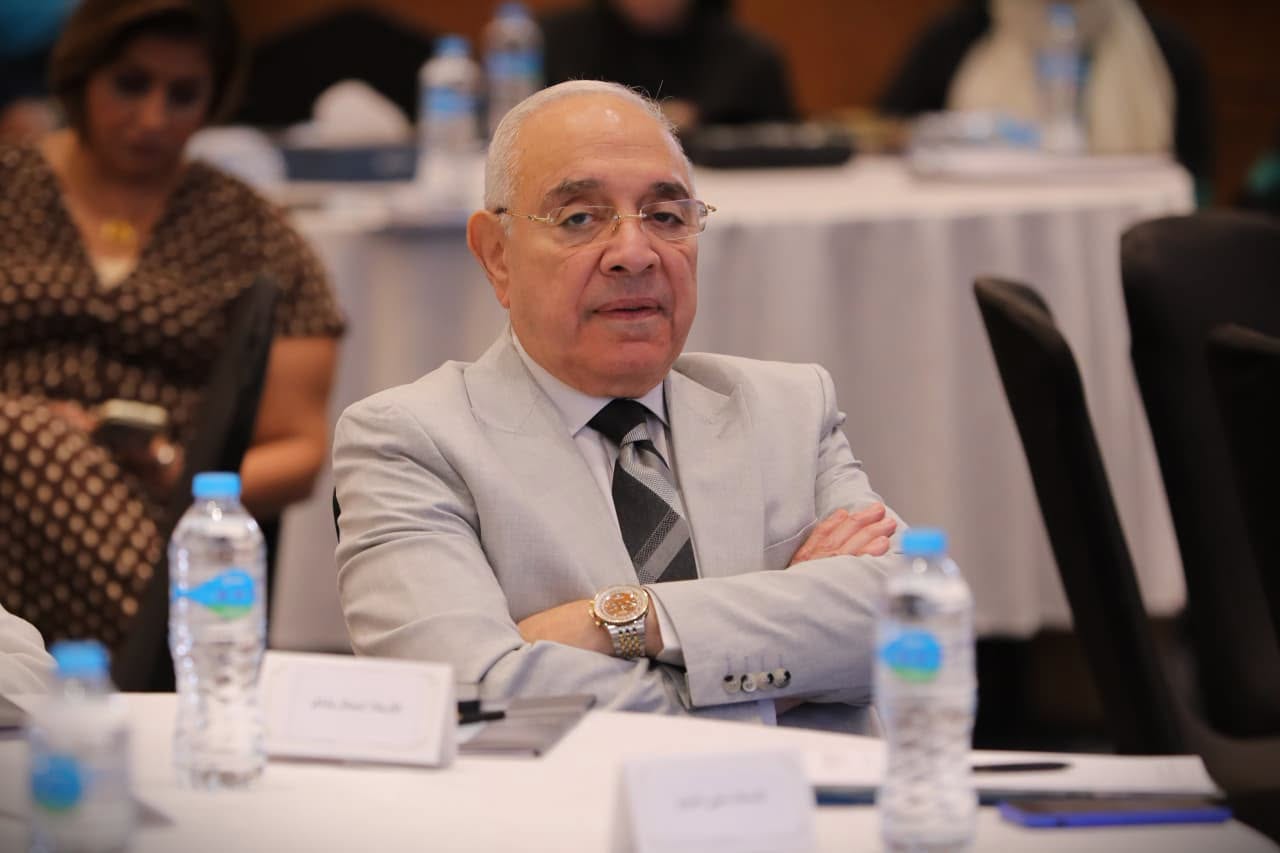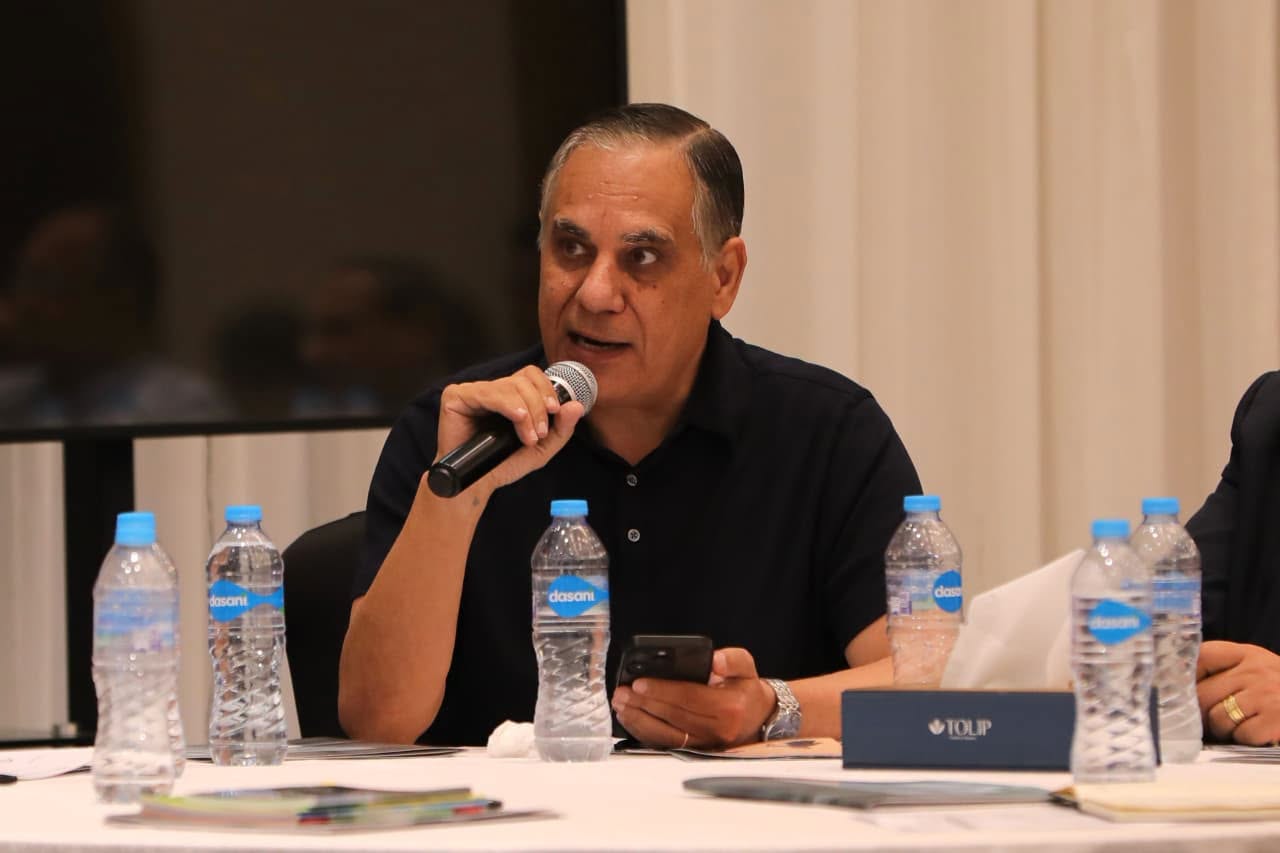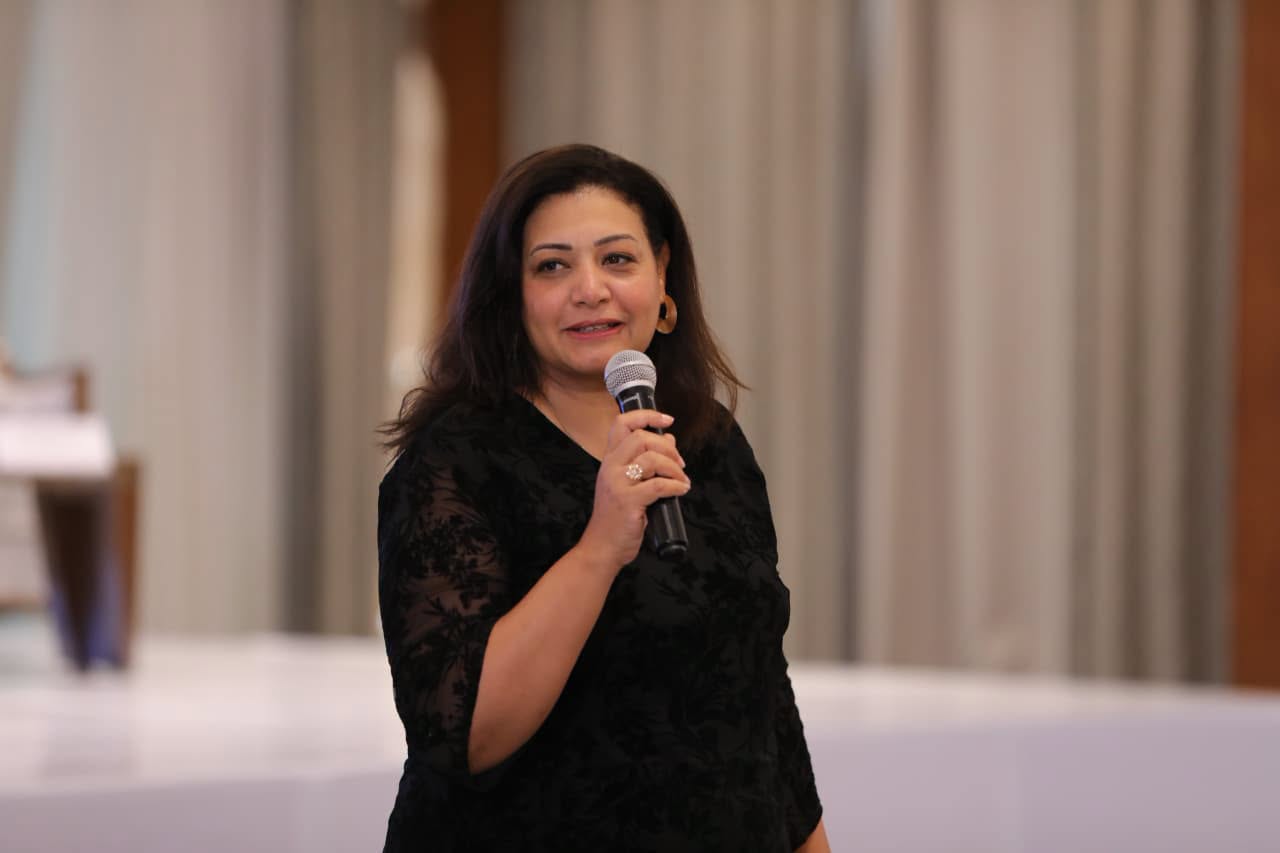
Rev. Amir Tharwat:
Artificial Intelligence Cannot Replace Human Dialogue and Family Support
Dr. Amr El-Wardany:
The Family Is Facing a “Loss of Meaning” Crisis, Highlighting the Need to Establish Psychological and Family Counseling Clinics in Mosques and Churches
Dr. Saeed El-Masry:
A Future Vision to Strengthen the Family’s Role in Achieving Social Cohesion
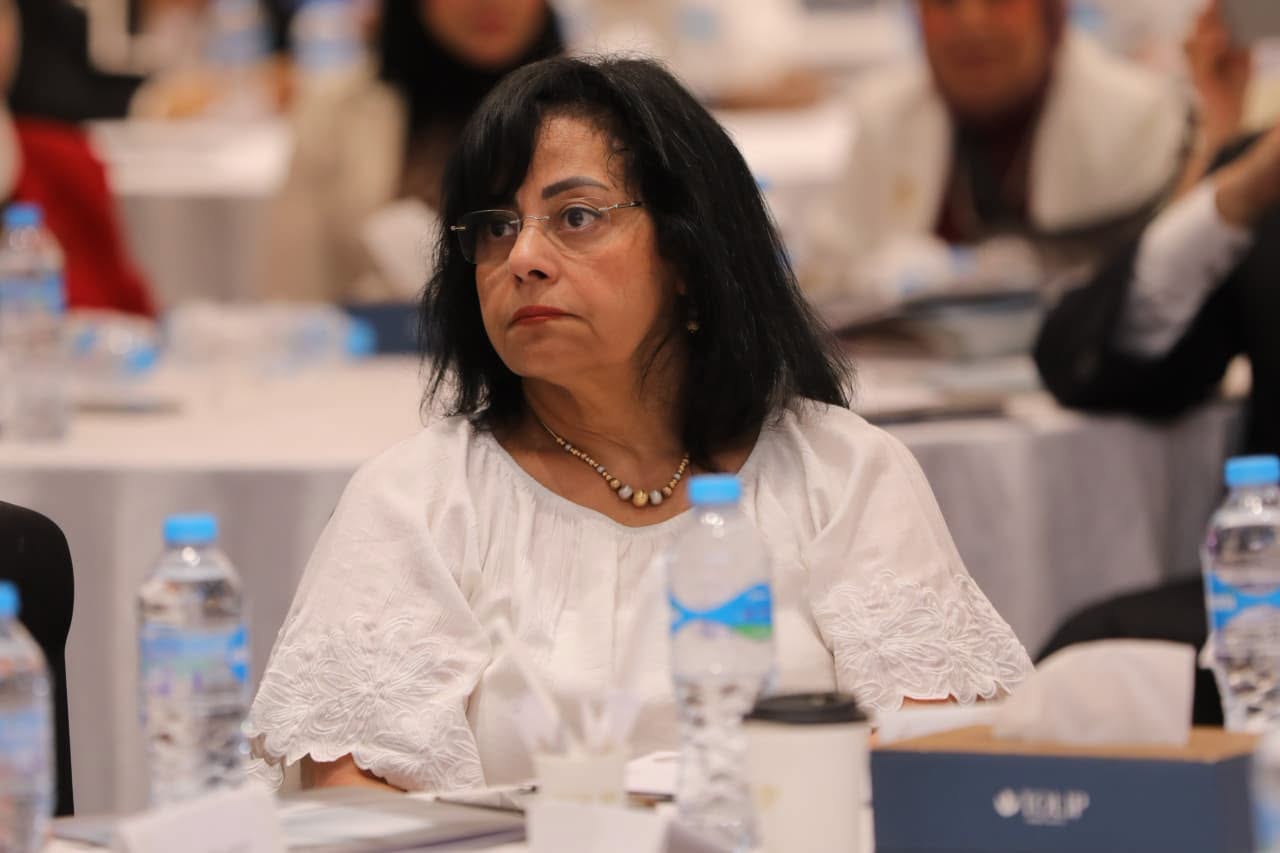
Dr. Hanan Girgis:
Supporting the Family Requires Visions and Initiatives Better Equipped to Address Future Challenges
Cairo, July 21, 2026
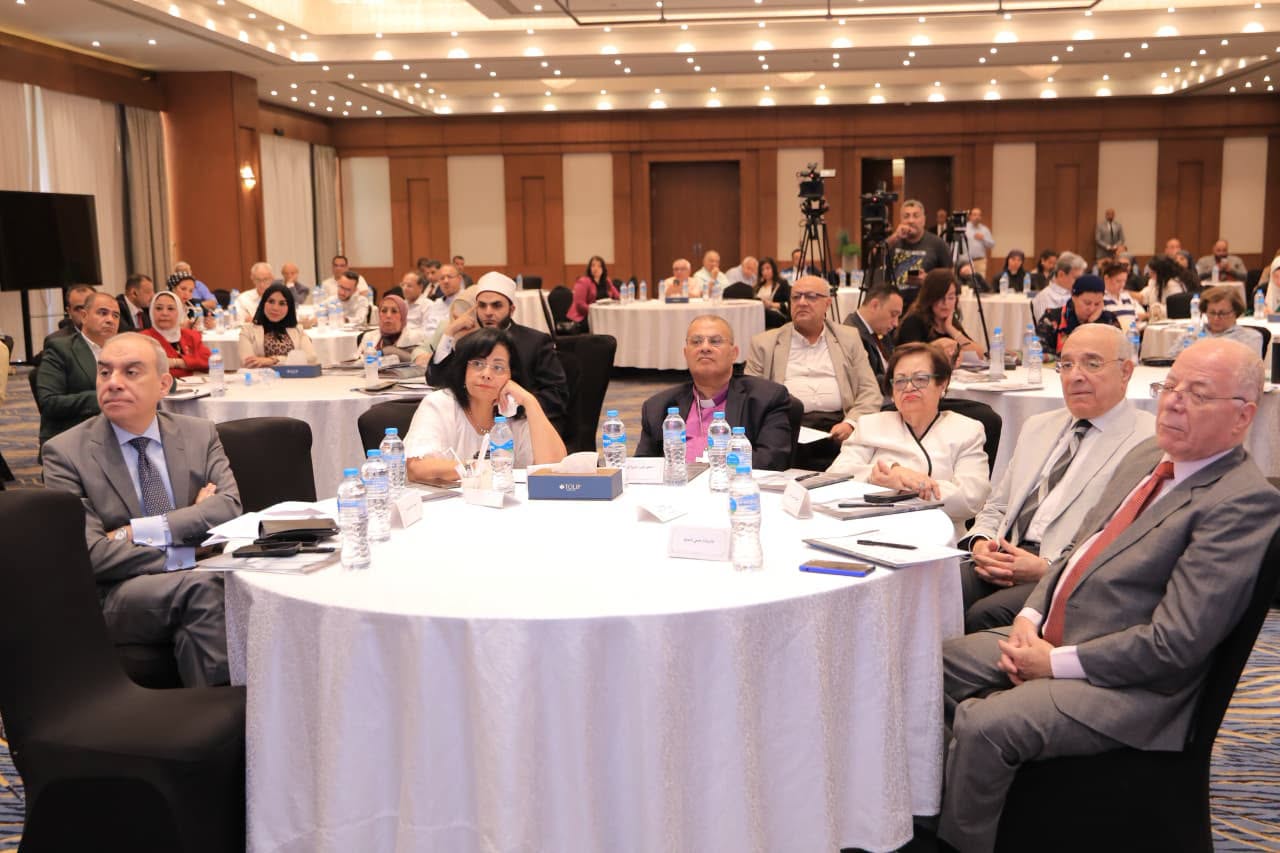
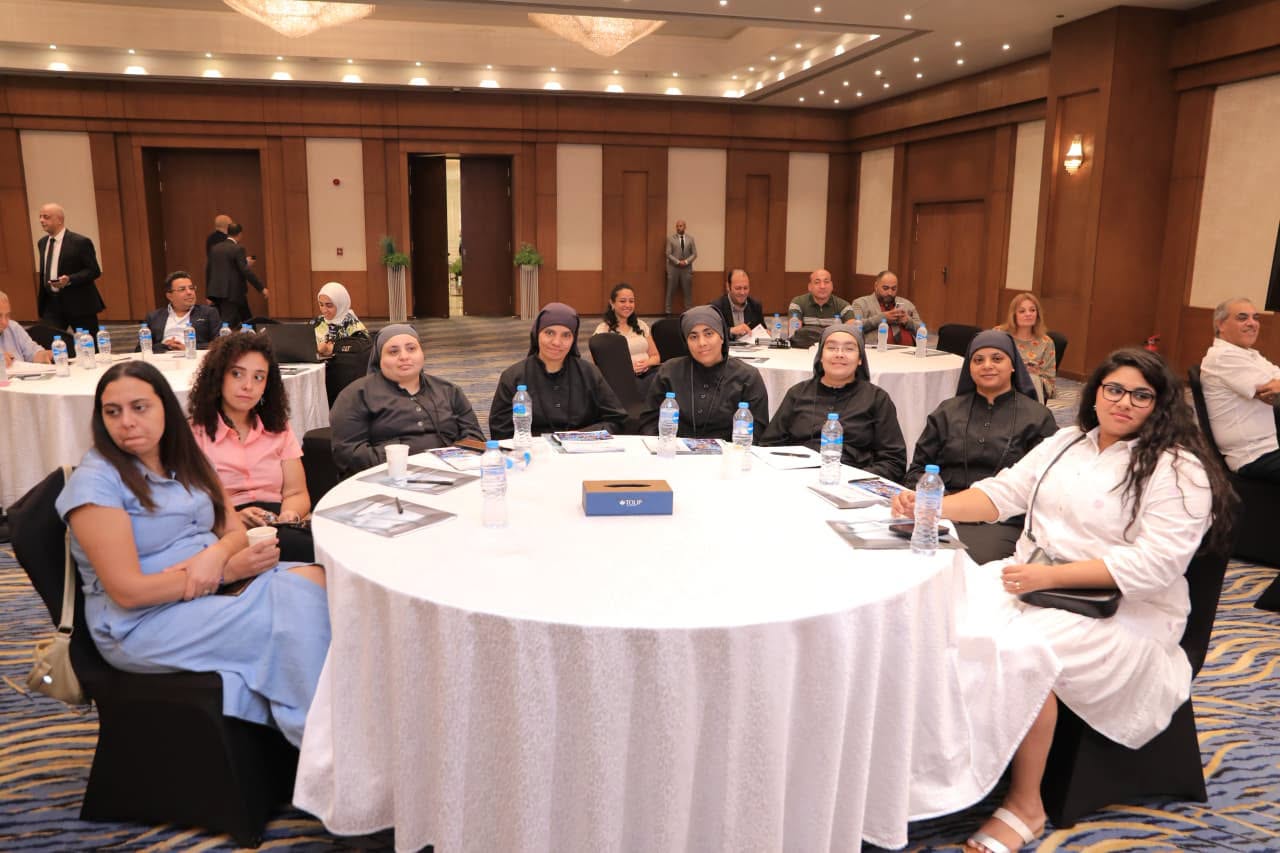
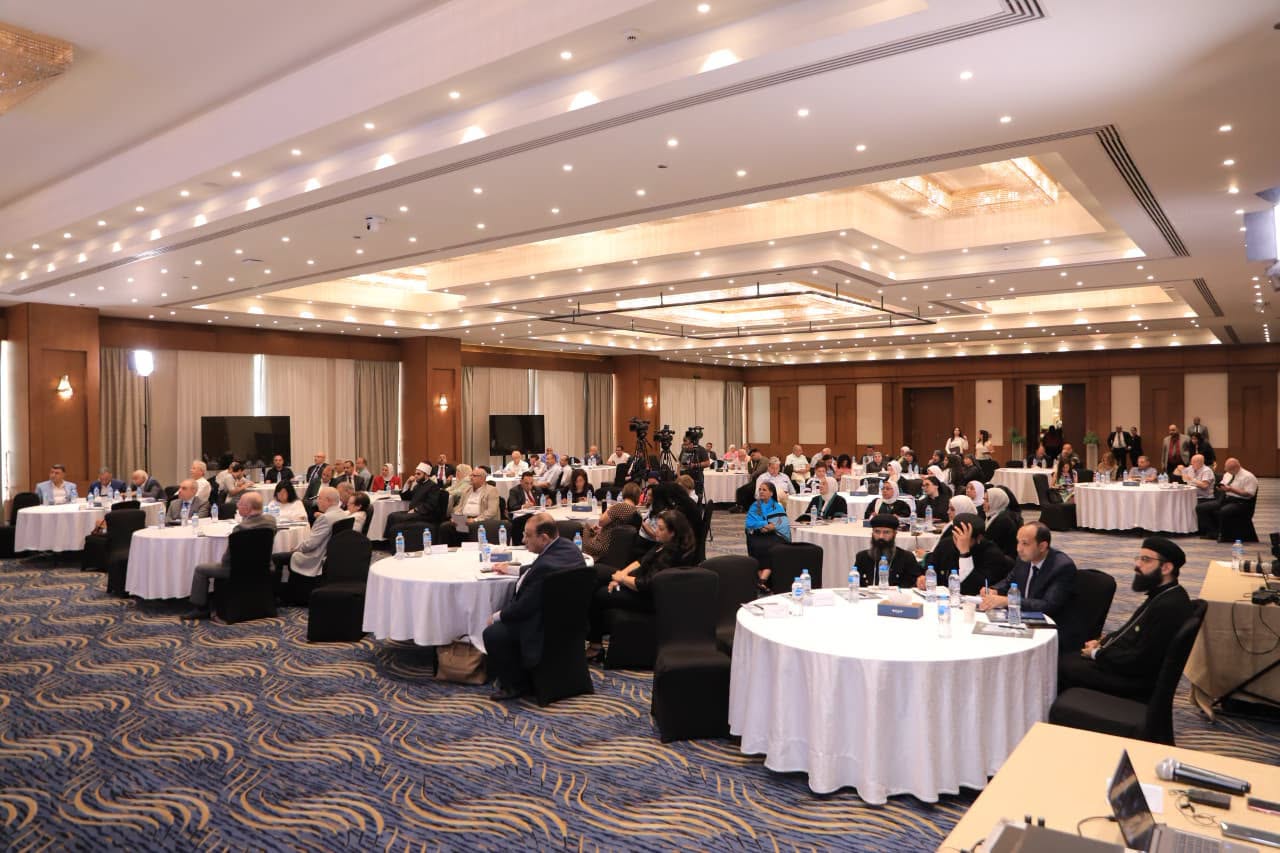
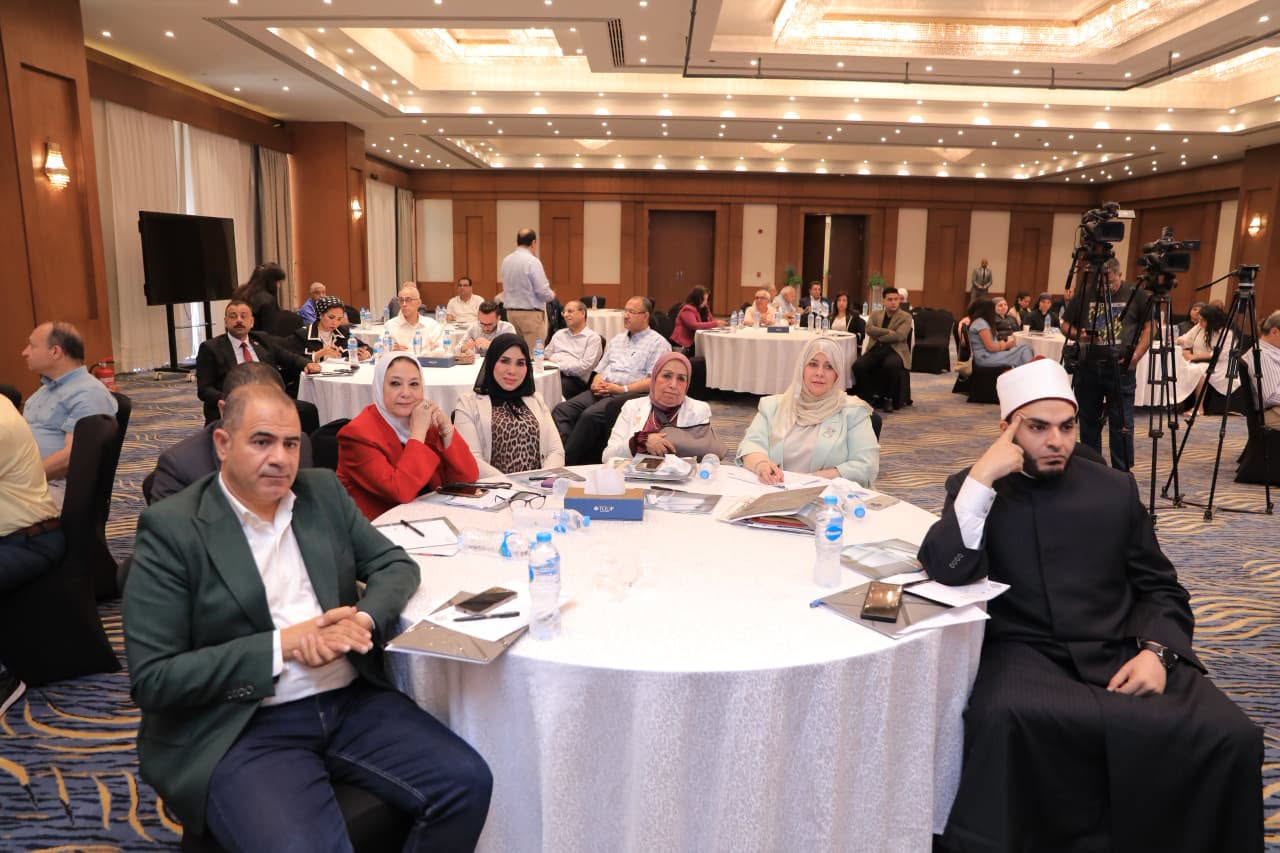
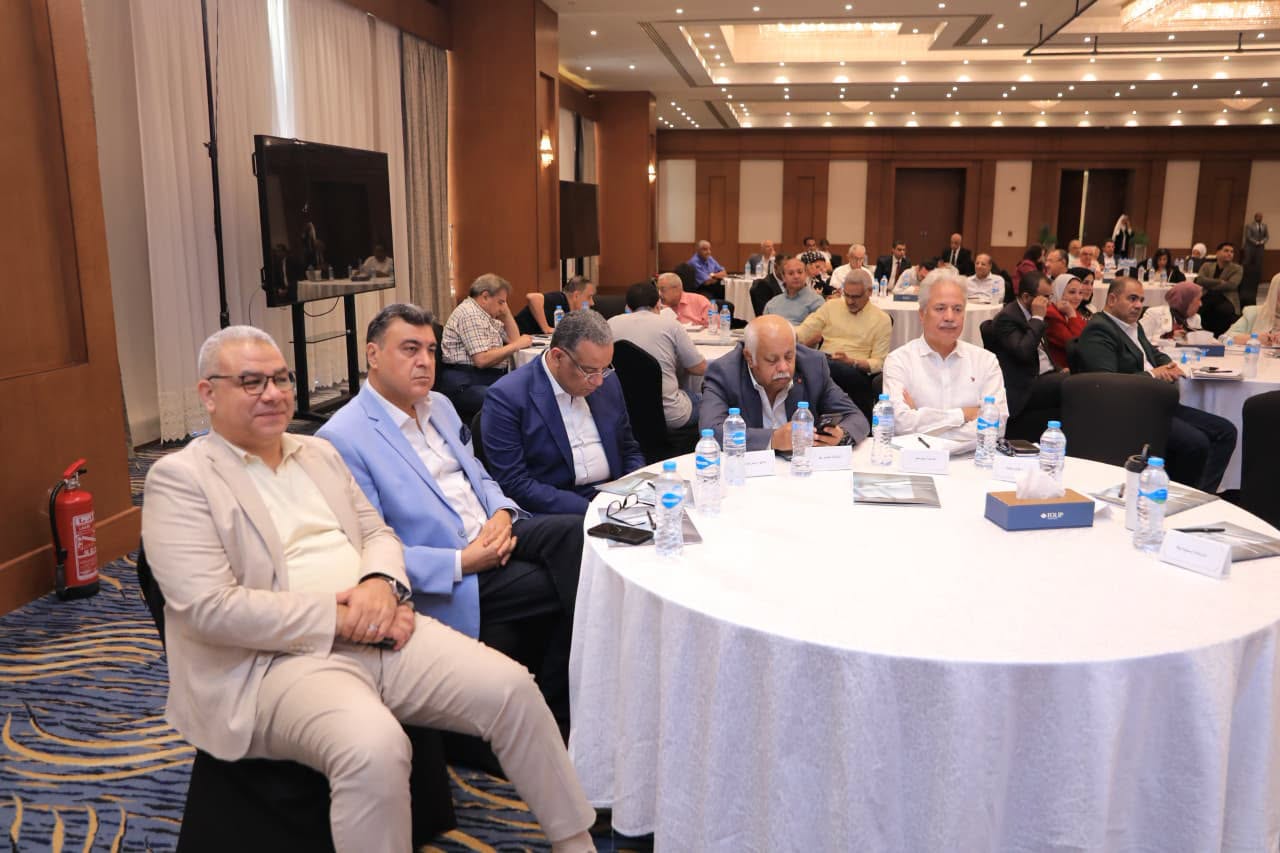
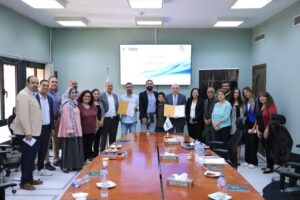
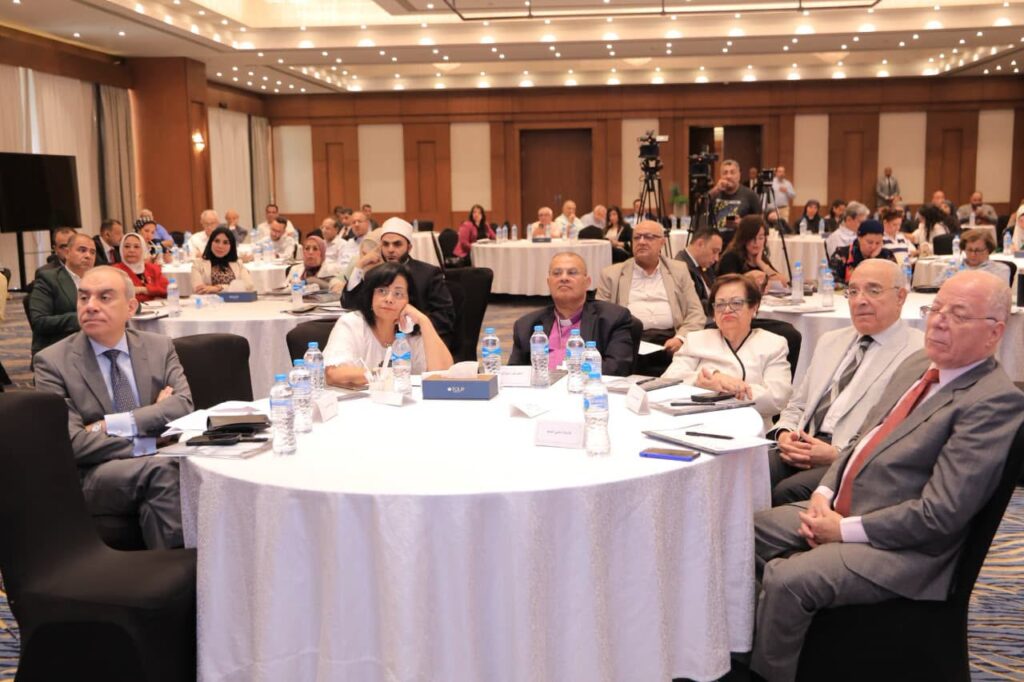
The Coptic Evangelical Organization for Social Services, through the Forum for Intercultural Dialogue, concluded the “Egyptian Family and Social Cohesion Amid Contemporary Changes” Conference. The two-day conference brought together religious, national, parliamentary, academic, and media leaders to discuss the most significant challenges facing the Egyptian family and to present practical visions for strengthening its role in human development and promoting social cohesion.
The conference sessions featured extensive discussions on the impact of technology, artificial intelligence, and social media on family relationships, in addition to psychological, social, and economic challenges. They also addressed ways to support national identity, empower women, and promote dialogue within the family.
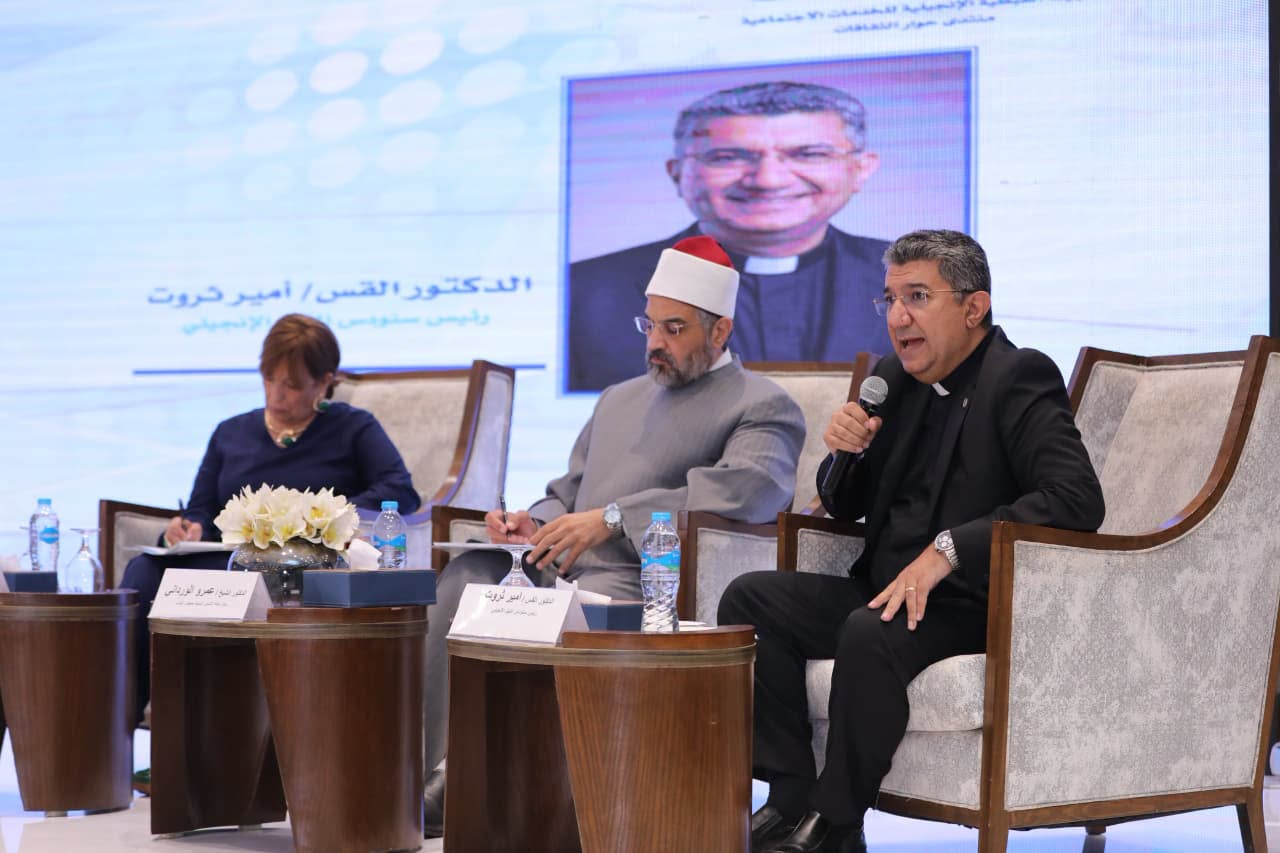
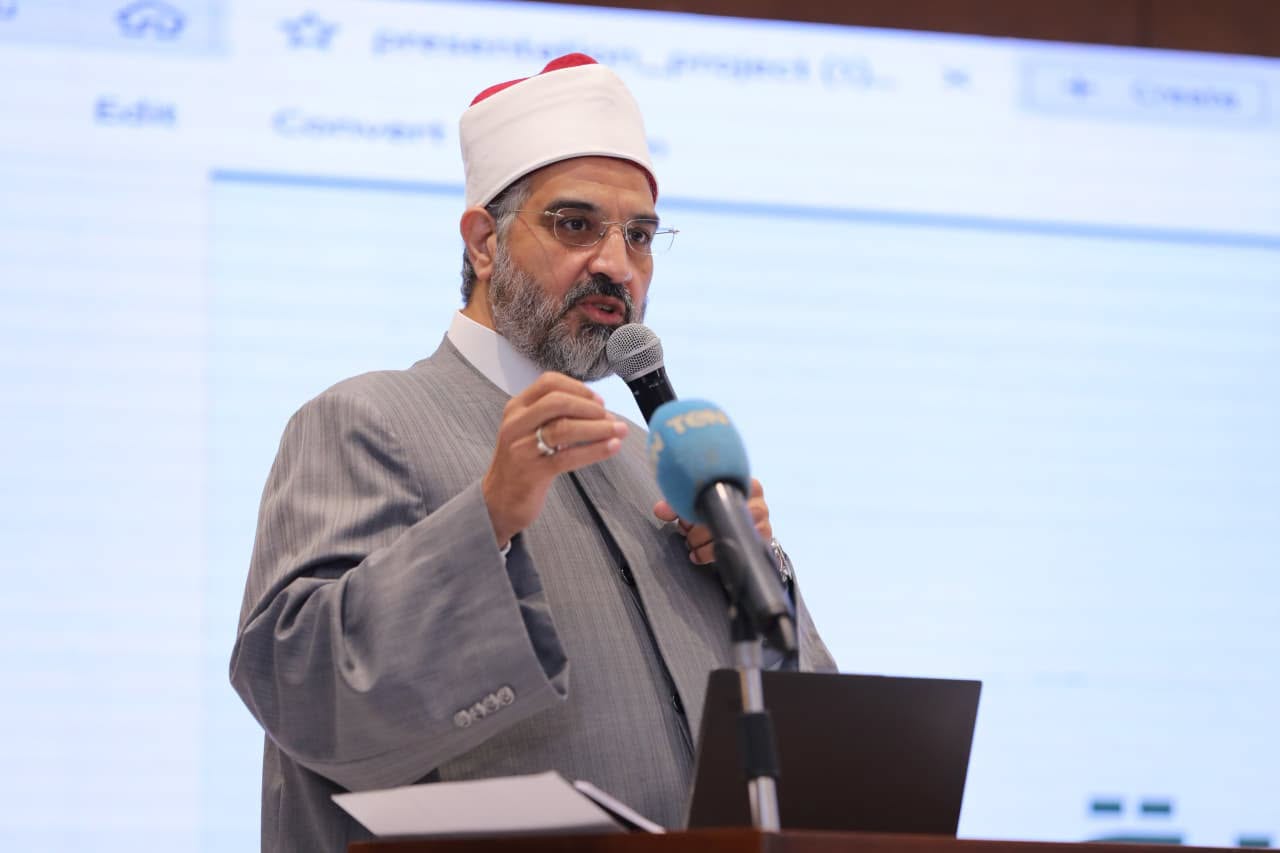
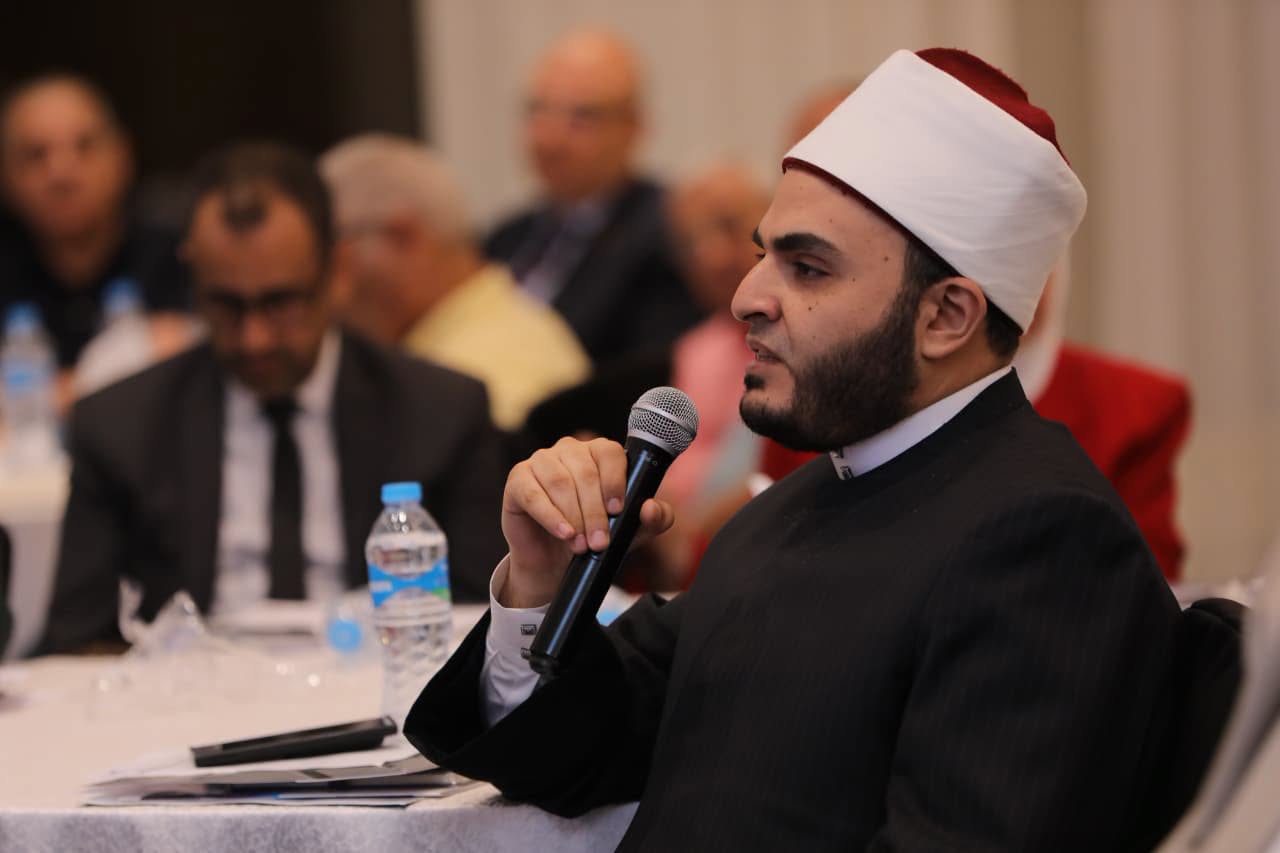
During the second day’s sessions, Rev. Amir Tharwat, President of the Evangelical Synod of the Nile, warned of the growing influence of social media and artificial intelligence on family relationships. He explained that social media has become a new social environment that affects how individuals communicate and that excessive use has contributed to increasing individualism and widening the gap among family members.
He stressed that artificial intelligence cannot replace human dialogue and family support, calling for greater digital awareness and a balanced use of technology.
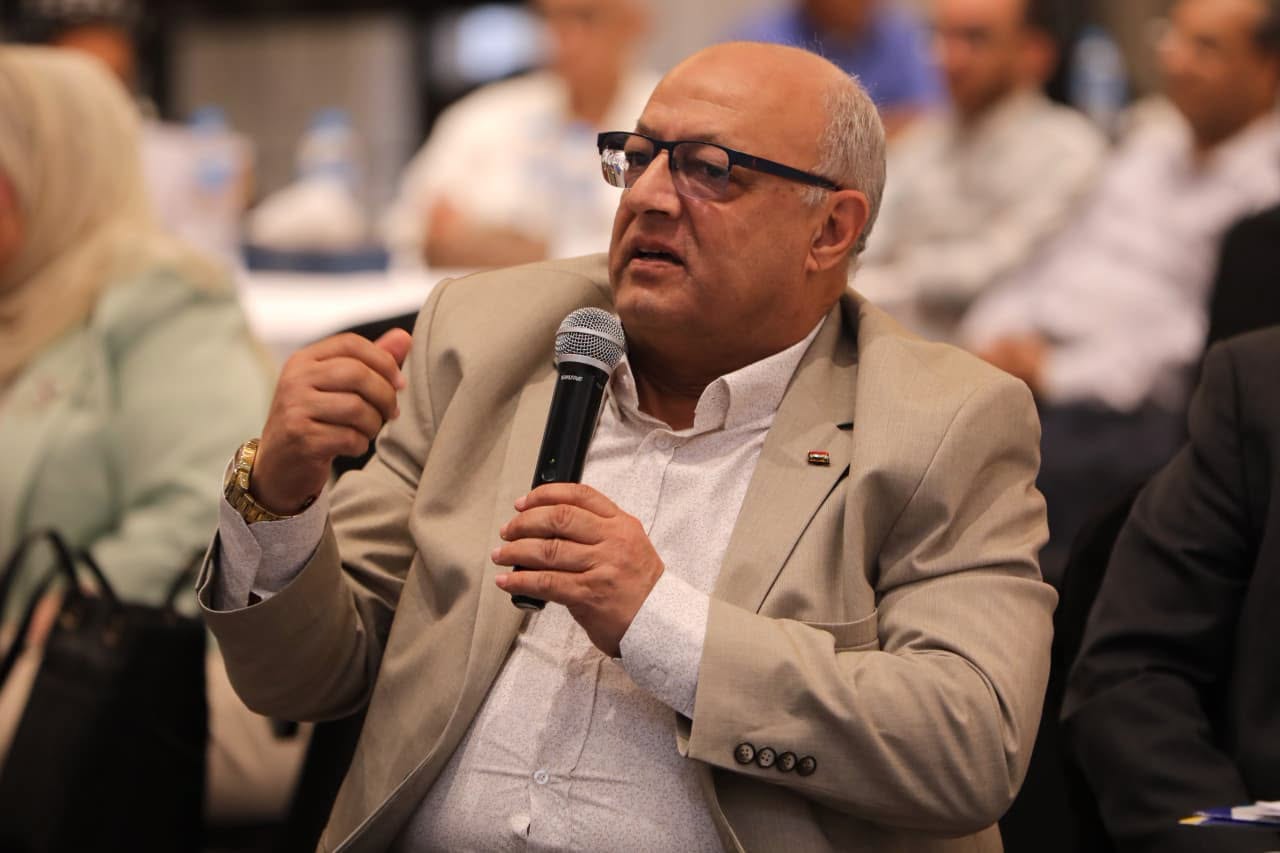
Dr. Amr El-Wardany, Chairman of the Religious Affairs Committee in the House of Representatives, affirmed that families face challenges extending beyond everyday disagreements. He identified the “loss of meaning” as one of the most serious challenges amid economic pressures, social transformations, and the widening gap among family members.
He called for the establishment of psychological and family counseling clinics within mosques and churches, in cooperation with specialists, emphasizing that advice alone may not be sufficient to address certain complex psychological and family problems. He also proposed creating a national platform to verify rumors and misinformation related to psychological and family issues.
The conference sessions also addressed the role of education and culture in strengthening national identity, the importance of empowering women and supporting families, and the development of policies, legislation, and initiatives that help achieve a balance between work requirements and family life.
The conference focused on several practical areas, including promoting dialogue within the family, developing parenting methods, supporting mental health, empowering women, and combating misinformation. These efforts aim to strengthen the Egyptian family’s ability to fulfill its role as the primary environment for human development and the foundation of social cohesion.
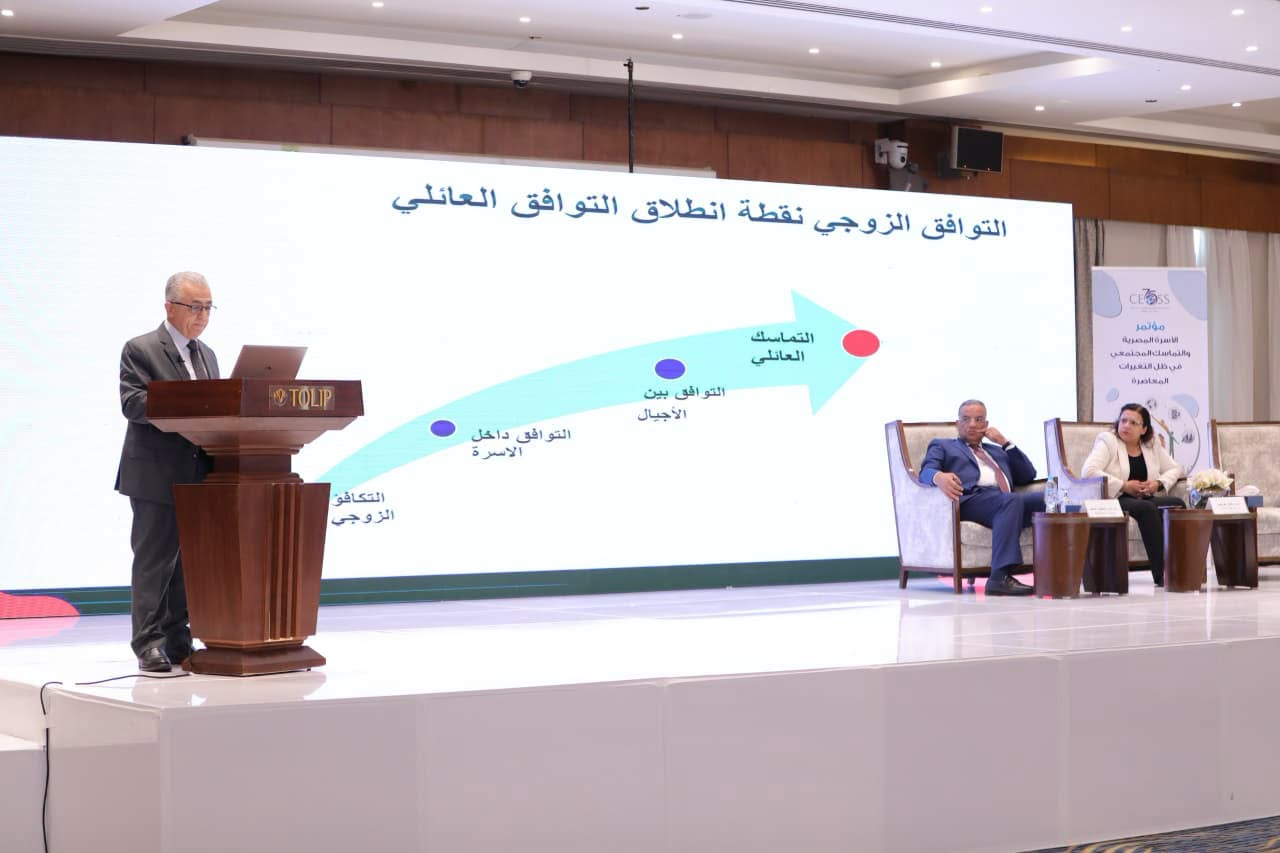
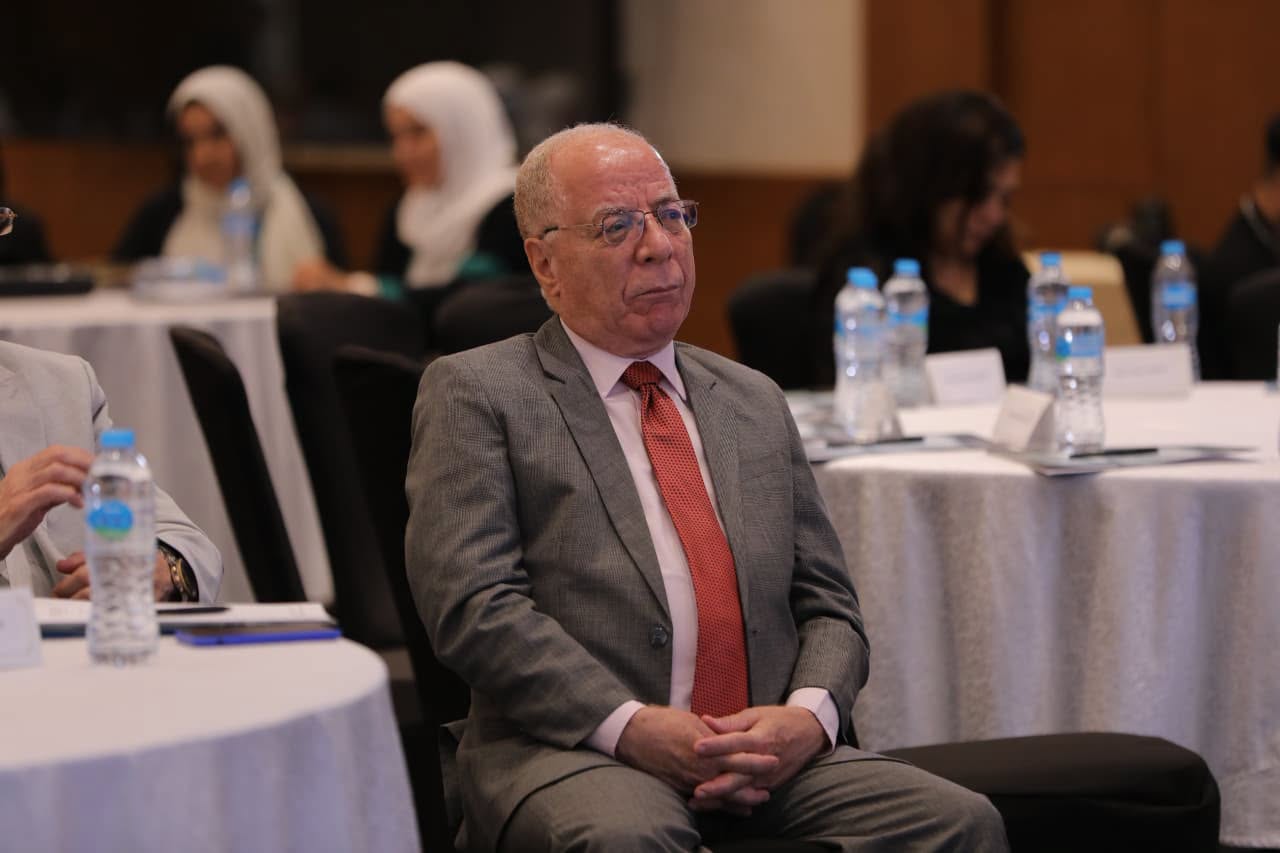
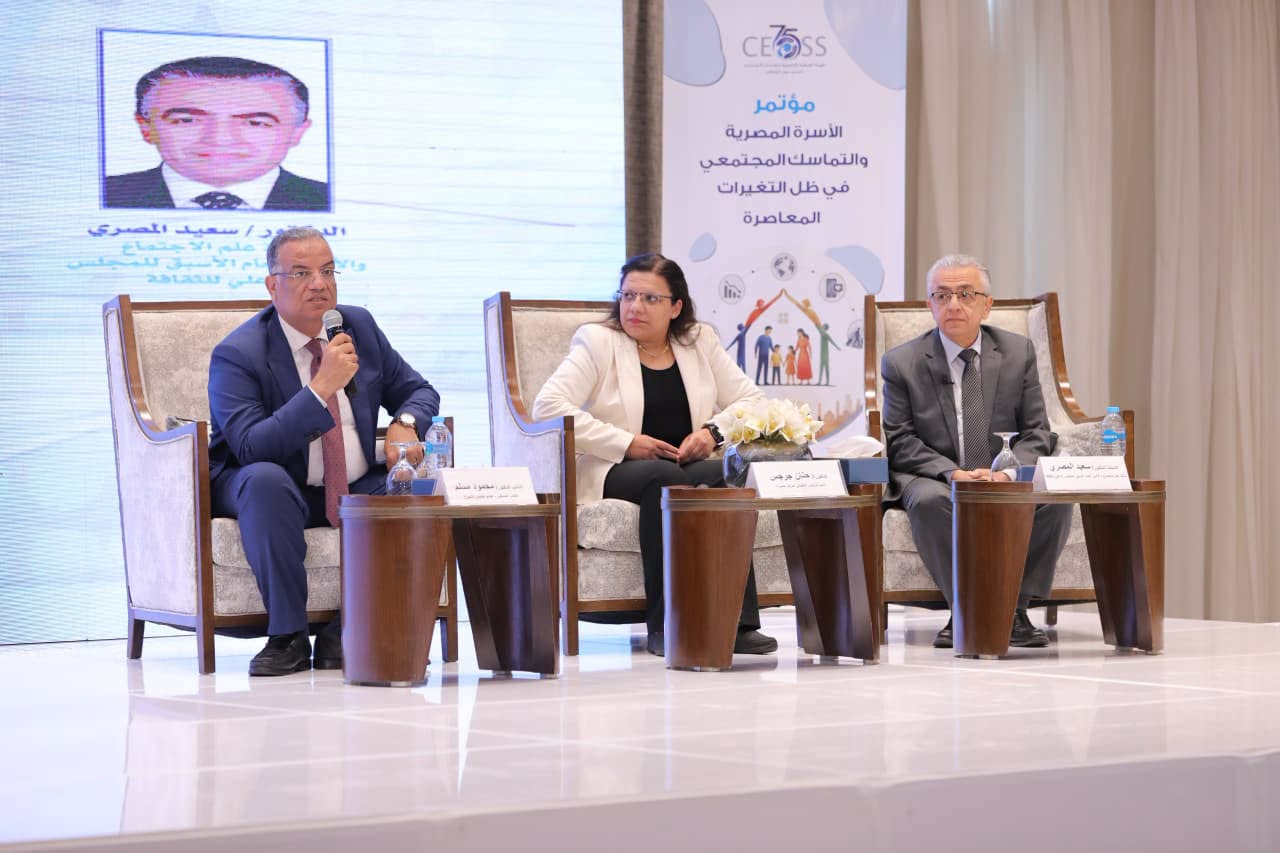
The conference concluded with a session entitled “A Future Vision to Strengthen the Family’s Role in Achieving Social Cohesion.” The session was moderated by Dr. Mahmoud Mosallam, a member of the Senate, and featured Dr. Saeed El-Masry, Professor of Sociology and former Secretary-General of the Supreme Council of Culture, and Dr. Hanan Girgis, Deputy Chief Executive Officer of the Egyptian Center for Public Opinion Research, Baseera.
The session discussed ways to develop visions, policies, and initiatives that support Egyptian families and strengthen their ability to address future challenges. It emphasized that protecting the Egyptian family is no longer the responsibility of the family alone but rather a national project requiring the coordinated efforts of the state, religious and educational institutions, the media, and civil society.
It also affirmed that contemporary challenges should not be addressed by rejecting technology or isolating society from ongoing changes, but by building awareness that enables people to benefit from development while preserving national values and identity.